

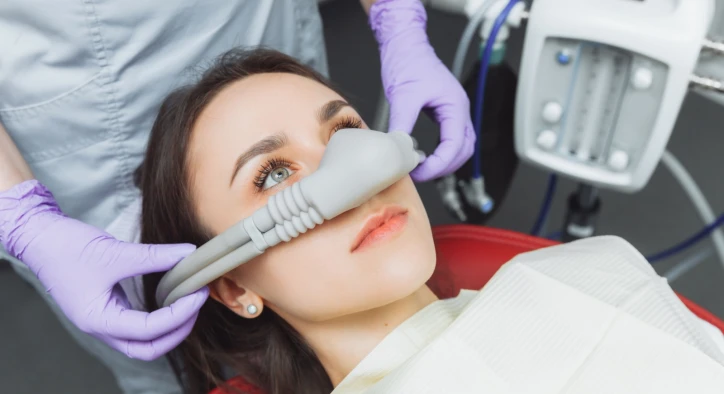

Let’s be honest, just thinking about sitting in a dentist’s chair is enough to trigger serious panic for a huge chunk of the population. Severe dental anxiety, which doctors officially call odontophobia, is a very real physical and mental roadblock. It routinely stops people from getting the basic checkups or restorative work they desperately need. When folks avoid the clinic, those tiny localized tooth issues inevitably snowball into massive systemic infections, actual tooth loss, and severe shrinking of the jawbone. To finally break this awful cycle, modern dental offices have fully embraced some pretty advanced pharmacological tools. By offering different types of dental sedation, oral surgeons and specially trained dentists can safely dial down your central nervous system. This effectively hits the mute button on your body’s natural fight or flight response, letting the clinical team get through critical surgeries without any interruptions or lasting mental trauma for the patient.
The Brain Chemistry Behind the Calm
The main goal with these medications is not really about numbing the physical pain. Dentists already handle that part locally using standard injections of anesthetics like lidocaine or articaine. Instead, the focus here is strictly on changing your conscious state and how you process emotions during the visit. The drugs used in these sedation protocols primarily target the gamma-aminobutyric acid, or GABA, receptors located in your central nervous system. By boosting the natural inhibitory effects of that GABA neurotransmitter, these medications essentially quiet down your hyperactive neurons. The end result is a deeply profound state of anxiety reduction, complete skeletal muscle relaxation, and often anterograde amnesia. That last part simply means your brain is temporarily blocked from forming clear, traumatic memories of the surgery itself.
Different Levels of Relaxation
Choosing the right medication route really depends on three things: how deep the sedation needs to go, how complicated the dental surgery actually is, and the patient’s specific medical history.
The absolute mildest option involves breathing in a carefully mixed gas, specifically nitrous oxide blended with pure oxygen. The dentist places a small hood over your nose, and the gas quickly moves through the lungs right into your bloodstream. It almost immediately gives you a feeling of mild euphoria and actually bumps up your pain tolerance. Because your lungs clear the gas completely just minutes after taking off the mask, patients bounce back to their normal state almost instantly.
If a patient needs a much deeper level of calm, taking medication by mouth is usually highly effective. The dentist will prescribe oral sedatives, usually from the benzodiazepine family like triazolam or diazepam, for you to take right before your scheduled appointment. Under this medication, you stay fully conscious and can still respond if the dentist asks you to open wider, but your motor skills slow way down and your awareness of what is happening around you gets heavily blunted.
For the deepest level of conscious sedation you can get in a normal outpatient clinic, doctors use intravenous, or IV, administration. By pushing the sedative agents directly into your veins, the dentist totally bypasses your stomach, which means the drugs start working instantly. This specific method lets the doctor make tiny, minute by minute adjustments to your dosage. They can easily make you sleepier or lighten things up depending on what part of the surgery they are doing. This makes IV sedation the absolute gold standard for really long procedures like placing multiple implants, pulling impacted wisdom teeth, or totally rebuilding a full arch of teeth.
Making Sure You Are a Safe Candidate
It is important to note that not everyone is an ideal candidate for these altered states in a standard dental office. A really strict medical evaluation beforehand is legally and ethically required. Dentists have to use the American Society of Anesthesiologists Physical Status Classification System to figure out exactly how risky the procedure might be for you. If someone is dealing with severe systemic illnesses, heavily uncontrolled diabetes, or major breathing issues like severe chronic obstructive pulmonary disease, they really need to be treated in a specialized hospital setting rather than a private clinic. Additionally, the doctor has to do a really thorough check of your airway anatomy to make absolutely sure you can breathe easily and without obstruction, even when you are totally relaxed.
Traveling for Better Care
As dental reconstruction methods get more and more sophisticated, the high cost of combining complex surgeries with advanced sedation has created a huge spike in medical travel. Patients are constantly looking for international clinics where the overhead costs are significantly lower, but the actual standard of medical care remains incredibly high. Dedicated medical coordination platforms, like Dentprime, are playing a huge role in this modern shift. They actively help patients track down globally accredited clinics that are packed with state of the art monitoring gear and fully certified anesthesiologists. This guarantees that even the most complex, multi hour procedures are handled safely and at a price that actually makes sense.
Keeping You Safe During and After
Whenever a doctor uses drugs to depress your central nervous system, keeping a constant, unblinking eye on your vital signs is absolutely mandatory. For the entire duration of the procedure, specialized medical hardware tracks your heart rhythm, blood pressure, and blood oxygen levels using a pulse oximeter. For those deeper IV procedures, clinics often bring in capnography equipment to measure your end tidal carbon dioxide levels. This gives the team a real time, breath by breath look at exactly how well your lungs are working.
Once the surgical work is completely finished, the staff moves you over to a dedicated recovery room. Getting the green light to go home is never just about waiting for the clock to run out. It relies entirely on meeting strict clinical criteria. You have to prove your blood pressure and heart rate are totally stable, you can walk perfectly fine on your own, and your thinking is back to normal. Because both oral and IV medications stick around in your system for quite a while, you are strictly forbidden from driving a car, operating heavy machinery, or signing any legal documents for a full twenty four hours. You also must be released directly to a responsible adult who can keep an eye on you for the rest of the day.