

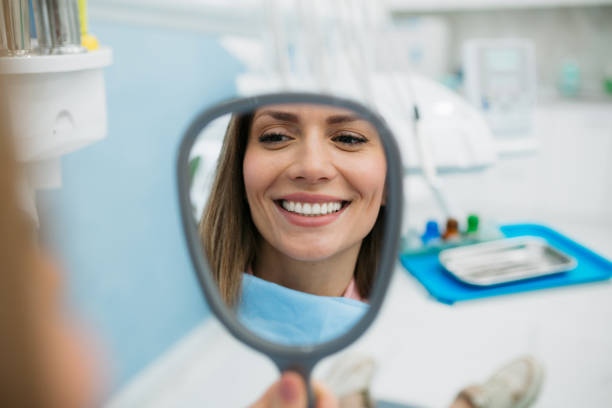

Missing teeth change how you eat, speak, and smile. They can drain your comfort and your confidence. Dental implants give you a steady way to replace those teeth. They let you chew food, speak clearly, and trust your smile again. They also protect the jawbone, so your face shape stays more stable over time. A Santa Ana implant dentist can place a small post in your jaw that acts like a tooth root. Then a crown goes on top, so the new tooth looks and feels natural in daily life. This blog explains how implants work, how they improve biting strength, and how they support clear speech. It also shows how a full smile can ease social fear and help you feel more secure at work and at home. You deserve teeth that work and a smile you do not hide.
What A Dental Implant Is
A dental implant is a small metal post placed in the jaw. It holds a single crown, a bridge, or a full set of teeth. The post sits where the root once sat. Your bone grows around it and locks it in place. That bond gives the new tooth strong support.
The main parts are three.
- The implant post in the bone
- The connector that joins the post and the tooth
- The crown or other teeth that you see when you smile
The National Institute of Dental and Craniofacial Research explains that implants can last many years when you care for them with daily brushing, flossing, and routine cleanings.
How Implants Help You Chew
Missing teeth change how you bite. You may chew on one side. You may avoid meat, nuts, or firm fruit. That can strain your jaw and your other teeth. It can also limit what you eat.
Implants spread chewing force across the jaw. This balance protects nearby teeth. It also supports more normal chewing patterns. You can use both sides of your mouth again.
Here is a simple look at chewing function with common tooth replacement options.
| Tooth Replacement Type | Support Source | Chewing Strength Compared To Natural Teeth | Stability When Eating
|
|---|---|---|---|
| No replacement | Remaining natural teeth | Low. Often less than half of normal | Teeth shift. Food trapped often |
| Removable partial denture | Gums and clips on other teeth | Moderate. Often about half of normal | May move with sticky or firm food |
| Full removable denture | Gums and suction | Low to moderate | May slip. Needs pastes or powder for grip |
| Dental implant with crown | Jawbone around the implant | High. Often close to natural teeth | Fixed in place during chewing |
With stronger chewing, you can eat a wider mix of foods. That can support better overall health. The Centers for Disease Control and Prevention links tooth loss to trouble with nutrition and daily tasks.
How Implants Help You Speak
Missing front teeth can cause air to escape as you speak. Certain sounds become hard to form. Your tongue may slip into gaps. You may repeat words or speak less in groups. That can feel draining.
Implants fill those spaces. They stop air from rushing through the gaps. They also give your tongue a clear place to touch when you form sounds. You can speak more clearly in three ways.
- Words sound sharper
- You do not worry that teeth will slip
- You can speak at your normal speed
This is helpful in work, school, and daily talk at home. You spend less energy hiding your mouth and more on the message.
How Implants Protect Your Jaw And Face Shape
Teeth do more than chew. Each bite sends a small signal through the roots to the bone. That signal helps the bone stay strong. When you lose a tooth, that signal stops. Bone in that spot can shrink over time. Your face can look more sunken. Your lips may fold inward. Wrinkles can deepen around the mouth.
An implant acts like a root. It sends that same signal into the bone when you chew. This can slow bone loss near the implant. It helps keep your jaw shape steadier. That support can keep your cheeks from sinking and can hold the lower face in a more natural shape.
How Implants Change Daily Life
The physical gains are clear. Yet the emotional gains carry the same weight. Many people with missing teeth share three common worries.
- Fear that teeth or dentures will move when they laugh
- Shame about smiling in photos or at work
- Stress about eating in public or on dates
Implants attach firmly to bone. You do not remove them at night. You do not use pastes. That secure hold can ease those fears. You can eat a meal with your family without thinking about your teeth. You can smile in a photo without turning away. You can speak in a meeting and focus on your ideas, not your mouth.
Who Might Consider Implants
You might think implants are only for older adults. That is not true. Many people of many ages explore this option when they have one or more missing teeth.
You might ask about implants if you have any of these.
- One missing tooth from injury or decay
- Several missing teeth in one row
- Ill fitting dentures that rub or move
- Bone loss in th Ill-fittingoncern about face shape
A dentist will check three main things. The health of your gums. The amount of bone in your jaw. Your general health and healing. In some cases, bone grafts or other steps can build support for an implant.
How To Care For Dental Implants
Implants need the same care as natural teeth. You brush. You clean between the teeth. You see a dental team on a routine schedule. That care protects the gums and bone around the implant.
Use these three daily steps.
- Brush with a soft brush two times each day
- Clean between teeth with floss or small brushes
- Rinse if your dentist suggests a mouth rinse
Regular checkups matter. The dental team can spot early gum trouble around an implant. Early care can protect the bone and help the implant last.
Taking The Next Step
You do not need to live with pain, loose dentures, or fear about your smile. A steady tooth replacement can restore how you eat, speak, and interact with others. You can ask questions. You can share your worries. You can bring a family member to your visit for support.
Missing teeth can feel heavy. Yet you can replace them with a solution that feels secure. You can choose teeth that let you chew without fear and smile without hiding your mouth. You deserve that comfort and that calm sense of confidence each day.