

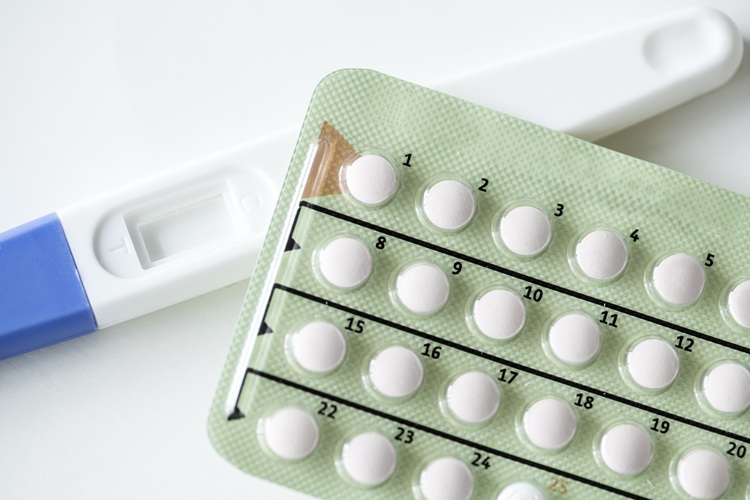

While birth control methods bestow women with freedom to prevent a pregnancy, several options in them make it even harder to choose the ideal one. From barrier methods like condoms, daily contraceptive pills, non-hormonal devices, implants, etc. you may get confused as to which is the right option for your health and lifestyle. In this post, we will take you through different birth control options and how to find the one that fits the bill currently – as well as your future.
Birth Control: Types and Options Available
The effectiveness of birth control is not dependent on the product itself, but your daily routine as well. Perfect use of a contraceptive every single time is important to enjoy maximum protection against a pregnancy occurrence. But missed doses, errors during use, delayed or wrong time of use – reduces the protection levels.
If birth control fails, an unplanned pregnancy may result. You can either continue or opt for an early pregnancy termination with abortion pills, or undergo an invasive procedure to empty the uterus. Birth control and abortion meds share hormones, but are designed for different purposes – the former prevents pregnancy establishment, while the latter eliminates an existing pregnancy.
So, here are some of the key birth control (hormonal and non-hormonal) choices for you:
- Daily Focus-Related Contraceptive: Oral birth control pills (combination or progestin-only), require use daily at the same time each day. Strict timing adherence is necessary for mini-pills or progestin-only pills with a brief window of up to 3-hours of delay from actual dose timing. However, combination pills may have an extended timing of effectiveness in case of missed dose.
- Barrier Products: While requiring no daily maintenance, diaphragms / internal or external condoms, do not require use for a long time but only during intercourse. These are ideal for those who do not want to use hormonal contraception methods, or engage in sex infrequently. However, using these products as recommended is what one must pay attention to.
- Subdermal Implants: A small, flexible rod is inserted under the skin of the inner upper arm. This contraceptive delivers progestin for up to 3 years. As long-acting reversible contraceptives (LARCs), it shares proven-results for efficacy as these do not require frequent use or remembrance.
- The Vaginal Ring: This is a hormonal product in the form of a small flexible ring, which the person places inside the vagina for three weeks with the fourth week being free of ring. In the placebo period, withdrawal bleeding may occur. Start with a new ring from the fifth week.
- The Contraceptive Patch: Another long-acting birth control like the vaginal ring, is a contraceptive patch. It is applied on the upper arm or buttocks on the dry and clean skin. Keep the patch in place for three weeks continuously with the fourth week free of the patch. The weekly / monthly schedules make it easier to manage and utilize this hormonal skin patch.
- Hormonal or Copper Intrauterine Device (IUD): This is a device placed inside the uterus by a healthcare professional. Similarly like the insertion, it must be removed by a specialist alone. The IUDs protect against getting pregnant for 3 to 10 years, depending on the manufacturer.
Matching the Contraceptive to Health Profile
Not only do birth control methods prevent pregnancy occurrence, it balances hormones and reduces impact of menstrual symptoms. Here is a brief about how to select a contraceptive based on health profile and goals:
- Menstrual Support: If you have issues like painful and heavy periods, and require hormonal alternatives to ease cramping and heavy flow – choose a vaginal ring, combination pills, hormonal patch or IUD. These reduce growth of the endometrial lining to do the needful.
- Non-Hormonal Options: In case you do not want to follow hormonal birth control methods as you cannot tolerate the mild side effects such as nausea, mood and libido changes – use condoms, diaphragms, or copper IUD. In the case of a copper IUD, initially in the first few months, there could be some amount of increase in cramping and flow.
- Control PCOS and Acne: To reduce symptoms of PCOS as well as manage acne outbreaks due to hormonal shifts, combination pills (estrogen and progestin) are useful. To stabilize androgen levels, this medicine contains estrogen, and is the primary content to manage hormonal side effects.
- Avoid Menstruation Altogether: Those with heavy bleeding, uterine issues, severe anemia, or other conditions, avoiding to bleed monthly is vital – for which skipping periods using LARCs consecutively, is suggested. Alternatives are implant or IUD, continuous birth control pill routine.
Opting for Contraception Based on Personal Lifestyle
Birth control selection must be checked for compatibility not just with your health goals and requirements but lifestyle factors as well. Here are the details:
- Intense Physical Activity: If your routine involves physically strenuous activities like swimming, running, playing outdoor sports, exercising intensely, etc., choose a contraceptive that stays unaffected by movements, and is resistant to environmental wear and tear. In this case, implants and IUD are adequate as these are in the body and do not need regular monitoring. Some may choose a contraceptive patch – but it may get affected with its edges peeling because of being immersed in water, body sweat contact, etc.
- Irregular Routine: If your schedule is erratic and does not follow a particular pattern, it is normal to miss doses or forget using daily pills. In this case, the right fit is the long-acting method like patch, vaginal ring, implant or IUD – less management, no misses.
- Pregnancy Planning: If you want to conceive in 6-12 months, choose short-acting pills, barrier methods, vaginal ring, or skin patch. If you wish to get pregnant 1 to 5 or more years later, opt for a subdermal implant, injectables, or copper / hormonal IUD. If you do not want to get pregnant at all, you may follow long-acting birth control or permanent sterilization (vasectomy or tubal ligation).
- STI Prevention: If you are focused on preventing sexually transmitted diseases along with a pregnancy, none of the contraceptive methods offer 100% protection in this respect. However, external and internal condoms may offer some amount of protection as it helps avoid direct contact with bodily fluids.
- Privacy Matters: If you want to maintain privacy and do not want others to know you are using birth control, the ideal option is a subdermal implant as it is inserted in the skin and remains invisible to the naked eye. Or, you can get a birth control shot (injection) every 3 months at a clinic.
Final Thoughts
As understood, the right option for birth control is not influenced by a single factor but several considerations instead. Choosing a contraceptive that suits your health, personal choice, convenience, lifestyle, and medical state. It is important to understand each option, how they work, the contraindications, interactions, and other measures – to make an informed choice