

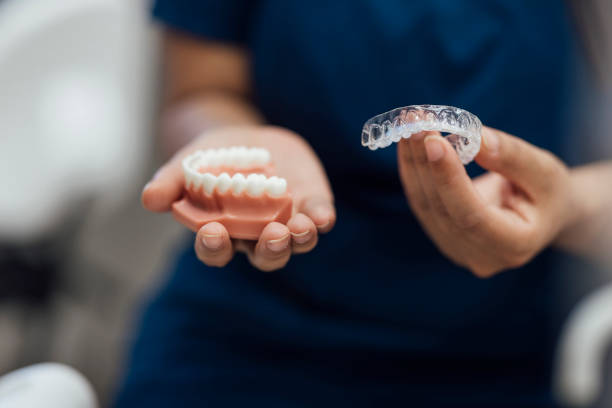

You brush, you rinse, you try to stay on top of it, and still something feels off. Maybe your gums bleed a little when you floss. Maybe your breath never feels fully fresh, or your teeth look clean in the mirror but still feel rough by the end of the day. That gap between effort and results is frustrating. It can make you wonder whether you are missing something basic. If alignment is part of the issue, Invisalign in Newburgh, NY may be worth considering.
The truth is, a home routine can be consistent and still need better technique. Small habits add up. The angle of your toothbrush, how long you brush, whether plaque is getting removed at the gumline, all of that matters. If you have noticed a few warning signs, your routine may need more accuracy, not more products. A home oral care routine works best when it is simple, steady, and precise.
Bleeding Gums Often Point to Missed Plaque Along the Gumline
If your gums bleed when you floss or brush, it is easy to shrug it off and tell yourself your gums are just sensitive. In many cases, bleeding is a sign of irritation from plaque that has been left behind. When plaque sits near the gums, the tissue gets inflamed. If that pattern keeps going, mild irritation can turn into gum disease.
The CDC explains the signs of gum disease clearly, and bleeding gums are near the top of the list. If this sounds familiar, the fix is often less force and more control. Brush gently at the gumline with a soft bristle brush, and floss in a way that hugs each tooth instead of snapping straight down between them.
Bad Breath That Keeps Coming Back Usually Has a Cause
You might chew gum, drink more water, or use mouthwash, yet the odor comes back by midday. That is often a clue that bacteria are staying behind in places your routine is missing. The tongue, the back molars, and the spaces between teeth are common trouble spots. Breath issues can also connect to dry mouth, cavities, or gum inflammation.
Covering the smell does not solve the source. A more precise routine includes brushing for a full two minutes, cleaning between teeth daily, and gently cleaning the tongue. If bad breath stays even after that, a general dentist should take a closer look.
Rough or Fuzzy Teeth Mean Biofilm Is Staying Put
Clean teeth feel smooth. If they feel fuzzy a few hours after brushing, plaque is building up fast or not getting removed well in the first place. This often happens when people brush the front surfaces well but rush through the inside edges and the far back teeth.
You do not need to scrub harder. You need to slow down enough to reach every surface. The National Institute of Dental and Craniofacial Research shares practical oral hygiene basics that still get overlooked every day. Technique matters more than force.
Tooth Sensitivity Can Signal Wear, Recession, or Decay
If cold water stings or sweets make one tooth ache, your routine may be too aggressive, too inconsistent, or missing a developing problem. Hard brushing can wear enamel and irritate gums. Skipping floss can allow decay to start between teeth where you cannot see it. Sensitivity is one of those symptoms people adapt to, right up until it gets worse.
This is where precision protects more than comfort. A soft brush, light pressure, fluoride toothpaste, and better cleaning between teeth can reduce daily irritation. If one area stays sensitive, it needs an exam. That is where a dental hygiene routine at home meets the value of professional care.
Staining Near the Gumline Often Means You Are Missing the Same Spots
Dark buildup or yellowing near the gumline does not always mean poor hygiene overall. Sometimes it means your brushing pattern is repetitive and leaves the same narrow strip untouched every day. Right handed and left handed people often miss different areas without realizing it. Lower front teeth and outer back molars are common examples.
When stain and tartar settle in, home care can only do so much. Once plaque hardens into tartar, it has to be removed professionally. Better brushing can stop the cycle from building back up so quickly.
Your Routine May Be Too Rough or Too Short
A lot of people think a good routine feels intense. It does not. If your brush bristles splay quickly, if your gums feel sore after brushing, or if you finish in under a minute, your method may be working against you. Precision is steady and gentle. It is not fast, and it is not forceful.
Older adults can run into extra challenges here, especially with dry mouth, arthritis, or dental work that creates more edges to clean around. The National Institute on Aging offers guidance on daily mouth care that is useful for anyone whose routine has gotten harder to manage.
Home Care and Professional Care Do Different Jobs
You can do a lot at home, but there is a limit. Daily brushing and flossing disrupt soft plaque. Professional cleanings remove hardened deposits and catch problems you cannot see in a mirror. If you keep doing your part and still notice bleeding, odor, sensitivity, or buildup, that does not mean you failed. It means your routine needs adjustment, and your mouth may need care beyond what home tools can provide.
| Issue | What Home Care Can Help With | What a General Dentist May Need to Address |
|---|---|---|
| Bleeding gums | Gentler brushing, better floss technique, daily consistency | Gum inflammation, early periodontal changes, tartar below the gumline |
| Persistent bad breath | Tongue cleaning, hydration, cleaning between teeth | Decay, gum disease, dry mouth causes, hidden infection |
| Tooth sensitivity | Soft brush, fluoride toothpaste, less pressure | Enamel wear, cavities, gum recession, cracked tooth |
| Staining and buildup | More accurate brushing at the gumline | Tartar removal and polishing |
Small Changes in Your Home Dental Care Routine Can Improve Results
Slow your brushing down. Spend two full minutes, and divide your mouth into sections so no area gets rushed. Angle the brush toward the gumline and use small motions instead of wide scrubbing.
Clean between teeth every day. Floss, picks, or interdental brushes all work when used correctly. The goal is to remove plaque where your toothbrush cannot reach.
Track one symptom for two weeks. Watch for bleeding, odor, sensitivity, or rough spots. If the same issue stays despite better technique, schedule a visit with a general dentist. That pattern tells you the problem is not just routine, it is something that needs a closer look.
Your mouth gives you feedback every day. If something feels off, you are not imagining it, and you do not need to wait until it turns painful. Better precision at home can make a real difference, and professional care can fill in the gaps when home care stops short. If you are seeing these signs your brushing and flossing routine needs improvement, take the next step and schedule an appointment with a general dentist.