

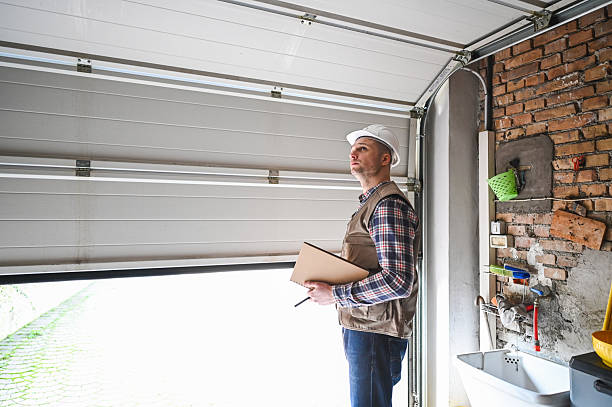

A garage door is one of the hardest working systems in a home, but it rarely gets much attention until something sounds wrong, moves wrong, or refuses to move at all. Most homeowners use the garage door several times a day without thinking about the weight, tension, and moving parts involved. That is understandable. When everything works smoothly, the garage door feels simple. Press the button, the door opens, life continues.
The problem is that a garage door is not just a large panel on tracks. It is a heavy mechanical system with springs, cables, rollers, hinges, sensors, and an opener all working together. When one part is damaged or worn, safety can become a real concern. A little maintenance and awareness can prevent accidents, protect your home, and save you from the kind of surprise repair bill that ruins a perfectly good Tuesday.
Understand That Garage Doors Are Heavy Systems
The first safety rule is simple: never underestimate the weight of a garage door. Even a standard residential door can weigh a few hundred pounds, depending on the material and size. The spring system helps lift that weight, which is why the door may feel light when everything is working correctly.
When springs wear out or break, that balance disappears. A door that was easy to lift yesterday may suddenly become extremely heavy today. If the opener is struggling, the door slams down, or the door feels uneven when moving, stop using it and have it inspected.
A common mistake homeowners make is assuming the opener does all the lifting. In reality, the springs do most of the heavy work. The opener guides the movement. If the spring system is failing, the opener may be forced to pull more weight than it was designed to handle. That can damage the motor, bend hardware, or create an unsafe situation.
Check the Safety Sensors Regularly
Modern garage doors are equipped with safety sensors near the bottom of the tracks. These sensors are designed to stop the door from closing if something is in the way. They are small, but they play a big role in preventing injuries and damage.
A simple way to check the sensors is to watch how the door behaves when closing. If it reverses for no obvious reason, the sensors may be misaligned, dirty, or blocked. If the door does not reverse when something interrupts the sensor beam, that is a serious safety issue.
Dust, leaves, storage boxes, and even a rogue broom handle can interfere with the sensors. Garages have a special talent for collecting things that nobody remembers buying, so it is worth keeping the sensor area clear. The sensors should face each other directly, and the indicator lights should usually be steady. If they are blinking or off, the system may need adjustment.
Listen for Sounds That Are Not Normal
Garage doors are not silent, but they should not sound like they are auditioning for a horror movie. Grinding, popping, scraping, banging, or loud squealing noises usually mean something needs attention.
A grinding sound can point to worn rollers or track issues. A popping sound may come from torsion spring tension or damaged panels. Scraping can mean the door is rubbing against the track or frame. Loud banging may indicate a broken spring or loose hardware.
The important thing is to pay attention when the sound changes. If your door has always had a mild hum, that may be normal for your setup. But if it suddenly becomes louder, rougher, or uneven, it should be checked. Small mechanical problems often become larger when the door keeps operating under stress.
A professional technician can identify whether the issue is minor maintenance, part replacement, or a bigger repair concern. Catching the problem early is usually safer and more affordable than waiting until the door gets stuck halfway open.
Keep Hands, Tools, and DIY Confidence Away From Springs and Cables
There are plenty of garage door tasks homeowners can handle safely. You can keep the tracks clear, clean the sensors, change remote batteries, and visually inspect the system. But springs and cables are a different story.
Garage door springs are under high tension. Cables carry a major part of the door’s weight. If either one is handled incorrectly, the result can be dangerous. This is not the best area for a weekend experiment, even if you watched three videos and now feel strangely qualified.
Never try to loosen, adjust, or remove springs on your own. Avoid pulling on frayed cables or forcing a door that is sitting unevenly. If you notice a cable hanging loose, a spring gap, or the door leaning to one side, stop operating the system and call a trained garage door professional.
A proper repair is not just about replacing the visible broken part. The door also needs to be balanced, tested, and adjusted so the full system works safely together.
Test the Door Balance and Auto Reverse Function
A balanced garage door should move smoothly and stay in place when partially opened. If the door drops quickly, shoots upward, or feels unusually heavy, the spring tension may be off. This is a sign that the system needs professional adjustment.
The auto reverse function is another important safety feature. When working properly, the garage door should reverse if it meets resistance while closing. This helps prevent damage to vehicles, stored items, and anything else that may be in the door’s path.
If the door closes too forcefully or does not reverse properly, it should be serviced. Opener force settings, sensor alignment, track condition, and spring balance can all affect how the door responds. A garage door should never feel unpredictable. If you hesitate before pressing the button because you are not sure what it will do, that is a clear sign something needs attention.
For homeowners who want a professional inspection or repair service,Click Here for More Information and schedule help before a small issue becomes a safety risk.
Safe Garage Doors Start With Smart Habits
Garage door safety comes down to awareness, maintenance, and knowing when to call a professional. Check your sensors, listen for unusual noises, keep the tracks clear, avoid touching springs and cables, and take uneven movement seriously. These habits can help prevent accidents and extend the life of your garage door system.
A garage door should open and close smoothly, safely, and reliably every day. If something feels off, sounds strange, or looks worn, do not ignore it. Getting the system inspected by an experienced garage door technician can protect your home, your family, and your peace of mind. A safe garage door is not just convenient, it is one less thing in the house trying to create drama.