


Are you thinking about starting a career in healthcare? Whether you are drawn to nursing or caregiving, both paths offer meaningful work, strong job stability, and the chance to make a real difference in people’s lives. But before you get started, it’s important to know what each role requires — from education and certifications to background checks and hands-on training.
This guide breaks down exactly what you need to become a nurse or caregiver in the United States.
What Is the Difference Between a Nurse and a Caregiver?
Before diving into the requirements, it helps to understand what each role actually involves.
Nurses are licensed healthcare professionals who assess patients, administer medications, coordinate care plans, and respond to medical emergencies. They work in hospitals, clinics, schools, nursing homes, and many other settings.
Caregivers (also called home health aides or personal care aides) provide non-medical support to individuals who need help with daily activities — such as bathing, dressing, meal preparation, and companionship. They often work in private homes, assisted living facilities, or adult day care centers.
Both roles are essential, and both require a specific set of qualifications before you can start working with patients or clients.
Requirements to Become a Caregiver in the United States
Becoming a caregiver is one of the more accessible entry points into the healthcare field. The requirements are generally less extensive than nursing, but they are still important.
1. Minimum Age and Education
Most states require caregivers to be at least 18 years old. A high school diploma or GED is typically expected, though some entry-level positions may hire candidates who are still enrolled in school.
2. Background Check
All caregivers who work with vulnerable populations — including the elderly and people with disabilities — must pass a criminal background check. This usually includes a review of state and federal records. Any history of abuse, neglect, or fraud involving vulnerable adults can disqualify a candidate.
3. Caregiver Training Program
Most states require completion of a state-approved caregiver or home health aide training program. These programs typically range from 40 to 120 hours and cover topics such as:
- Personal hygiene and patient mobility
- Safety and infection control
- Communication and reporting
- Understanding common health conditions
- Recognizing signs of abuse or neglect
4. Competency Evaluation
After completing training, caregivers may be required to pass a written exam and skills test to demonstrate their ability to perform basic care tasks safely and correctly.
5. CPR and First Aid Certification
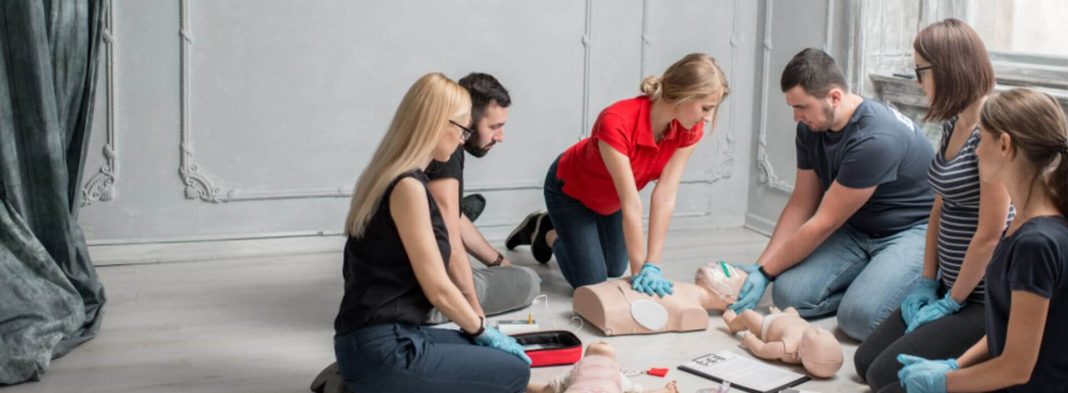
This is one of the most important requirements — and one that many people overlook. Most employers and state agencies require caregivers to hold a valid CPR and First Aid certification before beginning work. This training prepares you to respond quickly and effectively if a client experiences a medical emergency such as cardiac arrest, choking, or loss of consciousness.
Getting certified is straightforward. CPR training centers provide hands-on courses that result in an official certification card, recognized by employers across the country. Providers like Comfi-Kare CPR offer AHA-accredited CPR, AED, and First Aid courses for both beginners and healthcare professionals.
6. Health Requirements
Some employers require caregivers to provide proof of a recent TB test (tuberculosis screening) and up-to-date vaccinations, including the flu vaccine. A physical exam may also be required.
7. Valid Driver’s License (in some cases)
If the caregiver role involves transporting clients, a valid driver’s license and clean driving record may be required.
Requirements to Become a Nurse in the United States
Nursing requires more formal education and licensure than caregiving, but it also opens the door to a wider range of career opportunities and higher earning potential. Here is what you need to know.
1. Earn a Nursing Degree
There are three main educational pathways to become a registered nurse (RN):
- Associate Degree in Nursing (ADN) — Typically a 2-year program offered at community colleges
- Bachelor of Science in Nursing (BSN) — A 4-year university program, increasingly preferred by hospitals
- Diploma in Nursing — A hospital-based program, less common today
For those who want to become a Licensed Practical Nurse (LPN), a 1-year practical nursing program is required.
2. Pass the NCLEX Licensing Exam
After graduating, you must pass the NCLEX (National Council Licensure Examination) to legally practice as a nurse in the United States. There are two versions:
- NCLEX-RN — For registered nurses
- NCLEX-PN — For licensed practical nurses
This exam tests your clinical knowledge, critical thinking, and ability to provide safe patient care.
3. Obtain State Licensure
Nursing is regulated at the state level. After passing the NCLEX, you must apply for a nursing license in the state where you plan to work. If you relocate, you may need to apply for licensure in your new state (though many states participate in the Nurse Licensure Compact, which allows nurses to work across state lines with one license).
4. Background Check
Just like caregivers, all nursing candidates must pass a thorough background check before receiving licensure. Any disqualifying criminal history will be reviewed by the state nursing board.
5. CPR/BLS Certification — A Non-Negotiable Requirement
Every nurse in the United States — regardless of specialty or setting — is required to maintain current Basic Life Support (BLS) certification. This is not optional.
BLS training teaches nurses how to perform high-quality CPR, use an Automated External Defibrillator (AED), and manage airway emergencies in adult, child, and infant patients. It is a core clinical skill that employers verify during the hiring process and throughout employment.
Most healthcare facilities require nurses to hold an AHA-accredited BLS certification, which is valid for two years and must be renewed regularly. To learn more about what BLS training covers and why it matters for nursing practice, read this article about BLS for nurses.
6. Continuing Education
Once licensed, nurses must complete continuing education (CE) hours to renew their license every two years. The number of required hours varies by state, but most require between 20 and 30 hours per renewal period. Some states also require specific topics such as infection control, pain management, or cultural competency.
7. Specialty Certifications (Optional but Valuable)
Nurses who want to advance in specific areas — such as emergency care, pediatrics, oncology, or critical care — can pursue specialty certifications from organizations like the American Nurses Credentialing Center (ANCC). These are not required to start working, but they can significantly improve career prospects and earning potential.
CPR Training: The One Requirement Both Nurses and Caregivers Share
Whether you choose nursing or caregiving, CPR certification is something every healthcare professional needs. It’s not just a box to check — it’s a skill that can determine whether someone lives or dies in the critical minutes before emergency services arrive.
Both fields require you to stay certified, which means renewing your training every two years to keep your skills sharp and stay up to date with current guidelines.
CPR training centers offer AHA-accredited courses in BLS, CPR, AED, and First Aid in flexible formats, including in-person and blended learning options, serving healthcare professionals at every level, from first-time caregivers to experienced nurses.
Final Thoughts
Both nursing and caregiving are rewarding careers that put you at the heart of patient care. The path you choose will depend on your education goals, the time you can invest in training, and the type of work environment you prefer.
Regardless of which direction you go, starting with the right certifications — especially CPR and First Aid — gives you a strong foundation and makes you a more competitive candidate from day one.
If you are ready to take that first step, getting your CPR certification is one of the easiest and most impactful things you can do right now.