

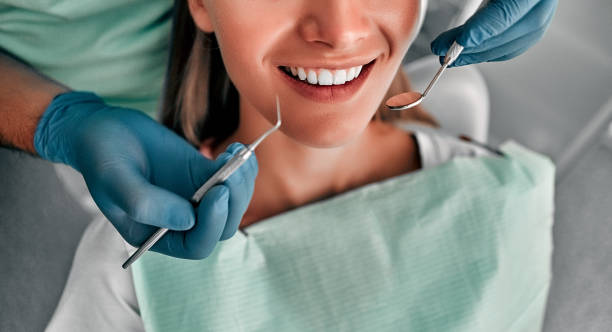

Your mouth affects how you eat, speak, sleep, and work. When you ignore routine dental care, small problems grow into painful infections, lost teeth, and high bills. Preventive dental care stops that quiet damage before it steals your comfort. Regular exams, X‑rays, and professional cleanings remove stubborn plaque that brushing and flossing miss. Early checks also catch decay and gum disease when treatment is simple and less costly. You protect your heart, blood sugar, and lungs too, because mouth bacteria can spread through your body. Preventive care is not a luxury. It is basic health care. If you delay, you often need emergency visits, root canals, or extractions. Those visits drain time and money. Routine steps like Buffalo Grove teeth cleanings, fluoride, and sealants build a strong base for your teeth. Then you can chew, smile, and talk with less fear and less pain.
How Preventive Care Protects Your Whole Body
Healthy gums and teeth support the rest of your body. When plaque sits on your teeth, it feeds the mouth bacteria. Those bacteria irritate your gums. Then bleeding gums give germs a path into your bloodstream. Over time, that constant irritation strains your heart and blood vessels.
The Centers for Disease Control and Prevention explains that poor oral health is linked to heart disease and diabetes. When you keep your mouth clean, you lower that burden on your body. You also breathe easier. Infections in your mouth can move into your lungs, especially in older adults.
So every cleaning and every exam supports three things. You protect your mouth. You protect your organs. You protect your energy and focus each day.
What Counts As Preventive Dental Care
Preventive care is simple. It uses basic steps that work together.
You can expect three main parts.
- Routine checkups with your dentist
- Professional cleanings by a hygienist
- Daily care at home with brushing and flossing
During a checkup, your dentist looks for early decay, gum disease, jaw problems, and signs of grinding. The dentist may use X-rays to see between teeth or under fillings. That early look finds trouble before you feel pain.
A cleaning removes plaque and hardened tartar. You cannot remove tartar with a toothbrush. Only tools in a dental office can scrape it away. Many offices also offer fluoride and sealants, especially for children. These protect teeth from acids and food that cause decay.
How Often You and Your Family Need Care
Everyone needs routine checkups and cleanings. The exact schedule depends on your health, medicines, and habits. Many people do well with one visit every six months. Some people need visits every three or four months.
The American Dental Association gives general guidance. Your own dentist will adjust this plan for you and your children.
Typical Preventive Schedule By Life Stage
| Life stage | Dental visit frequency | Key preventive steps
|
|---|---|---|
| Toddlers and preschoolers | Every 6 months after first tooth | Fluoride, early checkups, parent brushing help |
| School age children | Every 6 months or more often if high risk | Cleanings, sealants, fluoride, diet review |
| Teens | Every 6 months | Cleanings, cavity checks, guidance on soda and tobacco |
| Adults | Every 6 to 12 months | Cleanings, gum checks, oral cancer screening |
| Pregnant people | At least once during pregnancy | Gum checks, cleanings, home care coaching |
| Older adults | Every 3 to 6 months | Cleanings, denture checks, dry mouth support |
Why Preventive Care Costs Less Than Treatment
Skipping cleanings may feel like a way to save money. It is not. A simple filling often costs less than a streaming subscription for a year. A crown or root canal can cost as much as a used car payment. Tooth loss can lead to bridges or implants. Those costs can equal a vacation or more.
Three truths stand out.
- Small cavities stay small when you catch them early
- Gum disease responds better when treated at the first stage
- Emergency visits often cost more and cause more stress
Preventive visits also save time. You miss fewer workdays and school days. You avoid long treatment sessions. You also sleep better because you are not waking up with tooth pain.
Building Strong Habits At Home
Most preventive care happens in your home. Your sink and your choices control much of your mouth health. You can build three simple habits.
- Brush your teeth two times each day with fluoride toothpaste
- Clean between your teeth one time each day with floss or another tool
- Limit sugary drinks and snacks, especially between meals
Children watch what you do. When they see you brush and floss, they copy you. You can turn brushing into a short family routine each morning and night. Set a timer for two minutes. Play a short song. Stay with younger children to help them reach every tooth.
When To Call The Dentist Right Away
Preventive care also means speaking up early when something feels wrong. Do not wait for severe pain. Call your dentist if you notice any of these signs.
- Gums that bleed when you brush or floss
- Bad breath that does not go away after brushing
- Loose teeth in adults
- Sensitivity to hot, cold, or sweets
- Sores in your mouth that do not heal in two weeks
- Jaw pain or popping when you open and close your mouth
Quick visits for these signs prevent bigger problems. You also protect your ability to eat, speak, and work without constant worry.
Start With One Step Today
You do not need a perfect record to protect your mouth. You only need to start. You can call and schedule your next cleaning. You can set out floss where you will see it tonight. You can swap one sugary drink for water today.
Each small step supports your body and your family. Preventive dental care gives you control. It keeps your smile steady. It keeps your life more free from pain, fear, and sudden bills.