

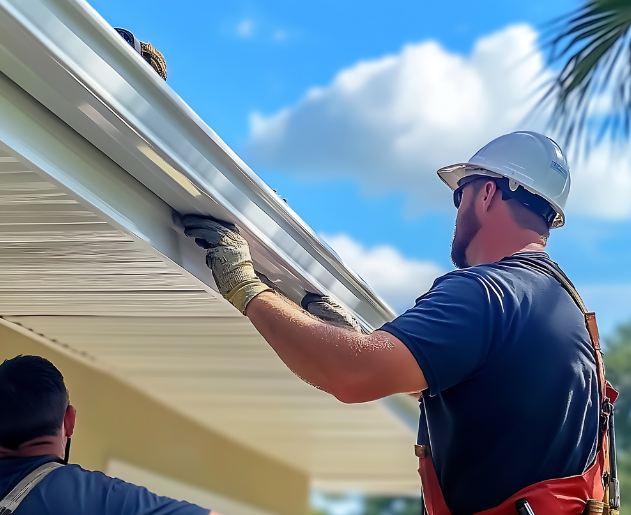

Colorado’s diverse geography presents unique challenges for residential gutter systems. Homes along the Front Range face intense sun exposure, sudden thunderstorms, and freeze-thaw cycles, while mountain properties contend with heavy snow loads, extended winters, and rapid spring melt. Choosing the right gutter system isn’t a one-size-fits-all decision—it requires an understanding of how Colorado’s environment affects water management year-round.
Why Colorado Homes Need Specialized Gutter Systems
Colorado weather is defined by extremes. Snow accumulation in winter can place significant weight on gutters, while spring brings rapid snowmelt that sends large volumes of water rushing off roofs. In summer, short but powerful storms can overwhelm undersized or poorly designed systems.
Standard gutter setups used in milder climates often fail under these conditions. When gutters can’t keep up, the result is overflow, ice dams, fascia damage, and water pooling around foundations. Homes across Colorado benefit from systems engineered to handle both heavy precipitation and temperature swings without compromising performance.
Seamless Gutters vs. Sectional Gutters
One of the most important decisions homeowners face is whether to install seamless or sectional gutters. Sectional systems are made from pre-cut pieces joined together, creating multiple seams where leaks and failures can occur over time. In Colorado’s climate, those seams are especially vulnerable to thermal expansion and contraction.
Seamless gutters, on the other hand, are custom-formed on-site to match the roofline length. With fewer joints, there’s less opportunity for leaks, separation, or ice buildup. For many Front Range and mountain homes, seamless aluminum gutters offer a durable, low-maintenance solution that performs reliably throughout the seasons.
Material Choices That Hold Up in Colorado
Gutter material plays a major role in longevity. Aluminum is the most common choice in Colorado due to its resistance to rust, relatively light weight, and ability to handle heavy rain when properly sized. Steel gutters offer added strength for snow loads but may require more maintenance to prevent corrosion.
Copper gutters are less common but valued for their durability and aesthetics, particularly on custom or historic homes. While the upfront cost is higher, copper systems can last decades when installed correctly.
Gutter Size and Downspout Capacity Matter
Many gutter problems stem from systems that are simply too small. Standard five-inch gutters may struggle during rapid snowmelt or intense rainstorms. Six-inch gutters and oversized downspouts can move significantly more water away from the home, reducing overflow and ice formation.
Proper downspout placement is just as important as gutter size. Water should be directed several feet away from the foundation to prevent erosion, basement moisture, and structural issues—especially in areas with clay soils common along the Front Range.
Snow, Ice, and Mounting Strength
Mountain homes and higher-elevation areas experience prolonged snowfall, which places sustained weight on gutter systems. Reinforced hangers, correct spacing, and secure fascia attachment are critical to prevent sagging or pull-out during the winter months.
Even along the Front Range, snowstorms followed by warm, sunny days can create heavy ice buildup. Systems designed with proper slope and drainage allow meltwater to drain efficiently, reducing the risk of ice dams and gutter failure.
The Role of Professional Installation
No matter how high-quality the materials, performance ultimately depends on installation. Pitch, hanger spacing, downspout routing, and roofline alignment all affect how well a system functions. Many homeowners consult with experienced installers, including a reputable Colorado Springs gutter company, to evaluate which configurations work best for their specific location and roof design.
Professional insight helps ensure that gutters are not only sized correctly but also positioned to manage water flow effectively during Colorado’s most demanding conditions.
Choosing the Right System for Long-Term Protection
Colorado gutter systems must do more than channel rain—they protect roofs, siding, foundations, and landscaping from long-term damage. By selecting materials, sizes, and designs suited to local weather patterns, homeowners can avoid many of the common issues caused by inadequate drainage.
Whether located in the mountains or along the Front Range, the right gutter system is an investment in durability, efficiency, and peace of mind—designed to perform through every season Colorado delivers.