

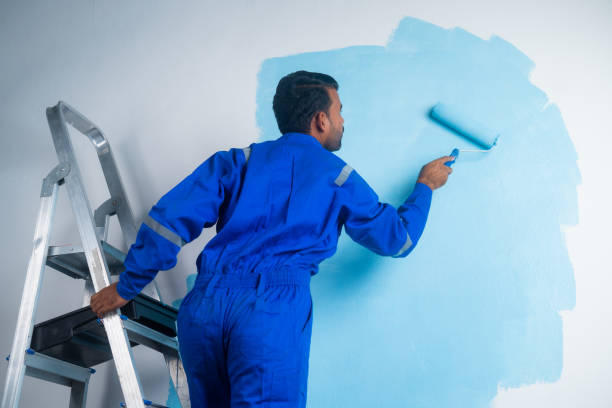

I remember the first place I rented after college. Beige walls, tiny kitchen, and an outside that looked like it hadn’t been touched since dial-up internet was still a thing. The paint was peeling in these weird curly flakes, like the house was slowly shedding skin. At the time I thought, yeah whatever, it’s just paint. Turns out that was a pretty dumb take, and I’ve learned since then that the outside of a house says way more than we give it credit for.
Exterior paint isn’t just about looks, even though that’s the part everyone notices first. It’s more like a jacket your house wears all year. Rain, sun, heat, random birds with bad timing, it all hits the outside before it ever reaches you. And when that jacket gets thin or torn, stuff starts going wrong fast.
Why exterior paint is kind of a big deal actually
I didn’t really get this until I talked to a contractor at a backyard BBQ. He was the classic guy who smells faintly like sawdust and coffee, and he went on this rant about how bad paint jobs cost homeowners thousands later. Not because paint is expensive, but because moisture is sneaky. Once water gets behind siding or trim, it’s like letting termites into a free buffet.
There’s this stat floating around contractor forums that a solid exterior paint job can extend the life of wood siding by up to 20 years. I don’t know if it’s exactly 20, maybe it’s 18 or 22, but the point stands. Paint slows aging in a way that’s honestly kind of wild. It’s like sunscreen for your house, except your house doesn’t complain about the smell.
People on Reddit talk about this a lot, especially in home improvement threads. You’ll see posts like “Though I’d save money painting myself, now my window frames are rotting.” It’s almost always followed by a comment saying you should’ve just hired professional exterior painters and been done with it.
The DIY trap everyone falls into once
I get the urge to do it yourself. You watch a few TikToks, someone in clean clothes rolls paint on a perfect wall in 30 seconds, and suddenly you’re convinced it’s easy. What those videos don’t show is the prep. The scraping, the sanding, the power washing, the waiting for the right weather. Or the moment you realize halfway through that the ladder you borrowed feels like it wants to end you.
I tried helping a friend paint his place last summer. Just one side of the house, he said. Six hours later we were sunburned, covered in paint we didn’t remember spilling, and arguing about whether that streak would “dry out fine.” It did not dry out fine. It looked bad, like really bad.
That’s when I started appreciating why people pay for experience. A lot of exterior issues don’t scream at you. They whisper. Tiny cracks, soft spots, bubbling paint that looks harmless until winter hits. Someone who does this for a living sees that stuff instantly.
If you ever scroll through local Facebook groups, especially ones for homeowners, you’ll notice how often people ask for painter recommendations after a bad DIY attempt. It’s almost a rite of passage.
What separates the good painters from the “meh” ones
Not all painters are the same, and yeah that sounds obvious but it’s worth saying. Some crews show up, slap paint on, and disappear. Others treat your house like it’s their own, minus the emotional attachment. The difference shows up years later.
The better crews obsess over prep. They care about weather windows, which is something I never even thought about before. Too hot, paint dries wrong. Too cold, it doesn’t bond. Too humid, you’re basically painting soup. Apparently there’s a sweet spot, and hitting it matters more than the brand of paint in some cases.
I talked to a homeowner once who said the painters she hired refused to paint one day because the marine layer hadn’t burned off yet. She was annoyed at the time. Three years later, her paint still looks solid while her neighbor’s is already fading. Small decisions, big differences.
This is why people keep circling back to professional exterior painters when they want the job done without drama. You’re not just paying for labor. You’re paying for judgment, which is hard to Google.
Colors, trends, and why everyone suddenly hates beige
Exterior color trends are funny. Ten years ago everything was beige or off-beige pretending to be something else. Now you see more deep greens, moody blues, even near-black houses popping up on Instagram. Some of it looks great, some of it feels like the house is trying too hard.
There’s also this thing happening where people choose colors based on resale, not taste. Which makes sense, but also kind of sucks. A Zillow study I saw shared on Twitter claimed certain exterior colors can add a few thousand to perceived value. Again, I don’t remember the exact number, but enough that people argue about it online.
Painters who work outside every day usually have strong opinions on this stuff. They know what fades fast, what shows dirt, what looks amazing for one year and terrible for the next five. That advice alone can save regret.
I once saw a house painted bright white in a dusty area. It looked amazing for about two weeks. After that it just looked tired. Nobody warns you about that part.
Weather doesn’t care about your schedule
This might be the most annoying part of exterior work. You can plan everything perfectly, take time off work, line it all up, and then rain shows up uninvited. Or wind. Or a heatwave that makes paint dry before it even settles.
Experienced crews build this into their timelines. They don’t promise unrealistic dates, even though homeowners always want exact answers. I’ve noticed people complaining online when a job takes longer, but rarely do they complain when the paint still looks good years later. Funny how that works.
There’s also the regional thing. Coastal homes deal with salt air. Inland homes deal with extreme heat. Shady lots get mildew faster. These aren’t things you learn from one YouTube video at midnight.
The money part, because yeah it matters
Let’s be real, cost is always part of the decision. Exterior painting isn’t cheap, and anyone who says otherwise is lying or hasn’t done it recently. But the way I started looking at it is like this. You either pay once for a solid job, or you pay twice fixing shortcuts.
A decent exterior job can last 7 to 10 years depending on conditions. That breaks down to way less per year than most people think. It’s like buying good shoes instead of replacing cheap ones every few months. Not a perfect analogy, but close enough.
I’ve seen comments on contractor blogs where people regret going with the lowest bid. It’s almost always the same story. It looked fine at first. I started peeling early. No warranty response. Stress level through the roof.
That’s usually when someone replies with a link to a site like this one for professional exterior painters and says, “Wish I’d seen this earlier.” Hindsight is undefeated.
So yeah, the outside matters more than we think
I used to walk past houses and barely notice the paint unless it was really bad. Now I notice everything. Trim lines, fading, cracks near corners. Once you see it, you can’t unsee it, kind of like noticing typos in menus.
Exterior paint is one of those things that quietly protects your investment while also making you feel better pulling into the driveway. It’s not flashy, and it’s definitely not exciting like a kitchen remodel, but it might be more important in the long run.
If you’re on the fence, scrolling reviews at 1 a.m., wondering if it’s worth it, you’re not alone. Most people hesitate. But most people who do it right don’t regret it later. They just wish they’d done it sooner, before the house started shedding like mine did back then.
And yeah, next time you see a clean, well-painted house, there’s a good chance professional exterior painters were behind it, even if nobody thinks about them once the job’s done. That’s kind of the point.