

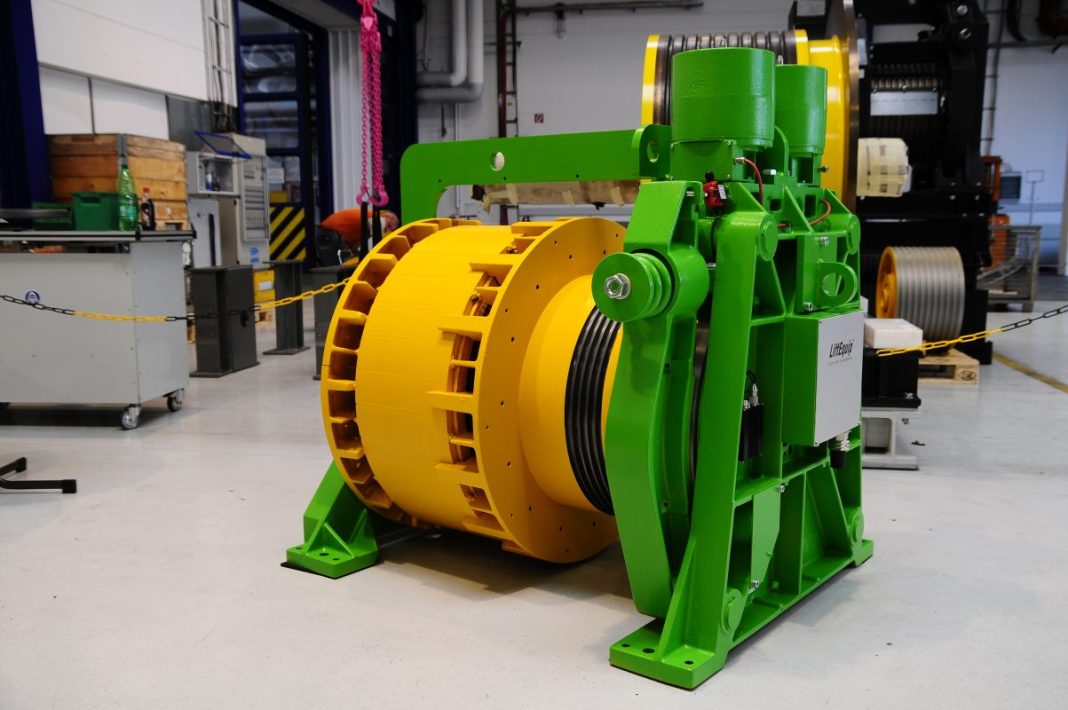

In the world of property management, the term “future-proofing” is often associated with technology infrastructure or sustainable energy solutions. However, one of the most critical, yet often overlooked, systems in any multi-story building is its vertical transportation. Elevators are more than just a convenience; they are a core component of a building’s operational efficiency and tenant satisfaction. As technology evolves, the strategic selection of modern lift parts is becoming a cornerstone of future-proofing commercial and residential properties.
Beyond Maintenance: A Paradigm Shift in Elevator Management
Traditionally, elevator maintenance has been a reactive process. A component fails, the elevator goes out of service, and a technician is called for a repair. This approach, however, is becoming increasingly outdated and costly. The paradigm is shifting towards a proactive and predictive model, where the goal is not just to fix problems as they arise but to prevent them from happening in the first place. This is where the quality and technological sophistication of your elevator components come into play.
Modern lift parts are engineered not just for durability but also for data-driven performance. They are designed to integrate with smart building systems, providing real-time data on performance, energy consumption, and wear and tear. This allows for a more intelligent approach to maintenance, where potential issues can be identified and addressed before they lead to a breakdown.
The ROI of Investing in Modern Elevator Technology
Investing in the latest elevator technology is not just an expense; it’s a strategic investment with a significant return. Here are some of the key benefits:
•Energy Efficiency: Modern elevator components, such as regenerative drives, can capture energy during braking and feed it back into the building’s electrical system. This can lead to substantial energy savings and a reduced carbon footprint.
•Predictive Maintenance: Smart sensors and IoT-enabled components can monitor the health of your elevator system in real-time. This data can be used to predict when a component is likely to fail, allowing you to schedule maintenance at a convenient time and avoid unexpected downtime.
•Enhanced Tenant Experience: A modern elevator system with high-quality parts provides a smoother, quieter, and more reliable ride. This can significantly improve tenant satisfaction and contribute to a more premium brand image for your building.
•Increased Property Value: A building with a modern, efficient, and reliable elevator system is more attractive to potential tenants and buyers. This can lead to higher occupancy rates and an increased property value.
Your Strategic Partner in Future-Proofing
Navigating the world of modern elevator technology can be complex. That’s why it’s essential to partner with a knowledgeable and reliable supplier. A reputable lift parts shop can be more than just a place to buy components; it can be a strategic partner in your future-proofing efforts.
A good supplier will not only offer a wide range of high-quality parts but will also provide the expertise to help you select the right components for your specific needs. They can advise you on the latest technologies, help you develop a proactive maintenance plan, and provide ongoing support to ensure your elevator system continues to operate at peak performance.
Conclusion: Building the Future, One Component at a Time
Future-proofing your building is an ongoing process, and your elevator system is a critical piece of the puzzle. By embracing modern technology and investing in high-quality lift parts, you can transform your elevators from a potential liability into a strategic asset. A proactive and data-driven approach to elevator management will not only improve reliability and safety but will also enhance the tenant experience, reduce operational costs, and increase the long-term value of your property. The future of your building is being built today, one component at a time.