

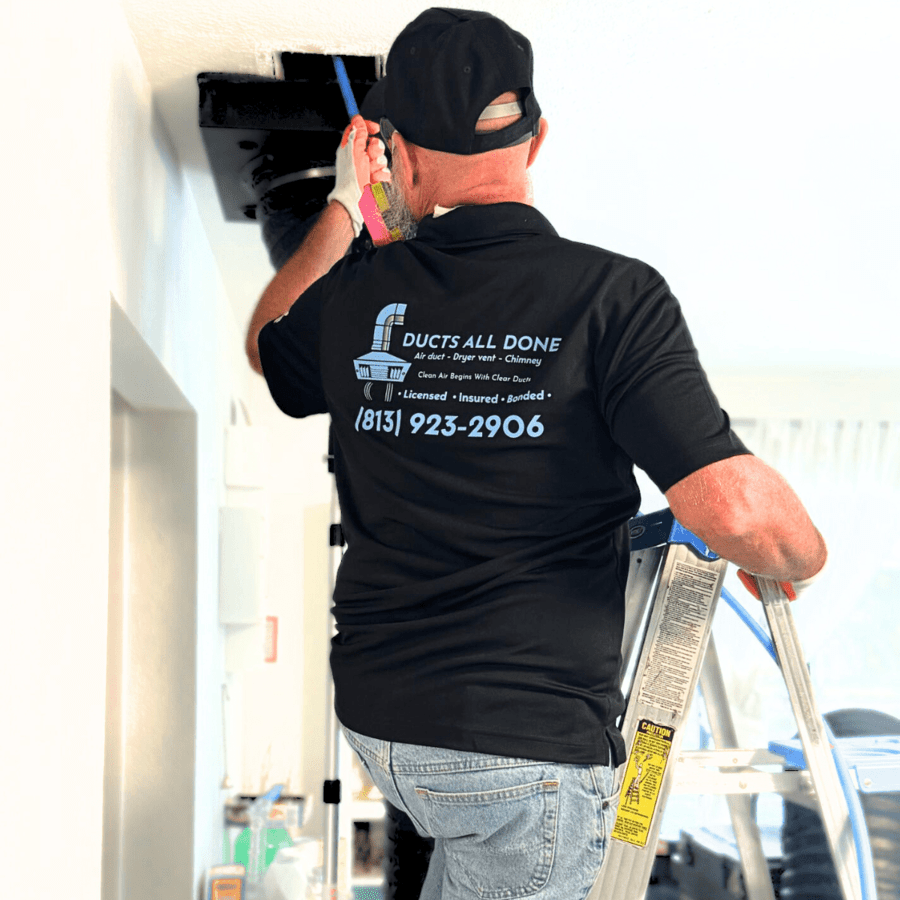

Why cleaner air starts inside your ducts
Great indoor air does not happen by accident. It comes from an HVAC system that moves clean, balanced airflow without dragging along dust, pollen, and mystery lint that looks like it remembers the previous decade. Ductwork acts like the building’s circulatory system, so when interior surfaces collect debris, the entire space feels it. People notice stuffy rooms, dry eyes, and temperature swings that make meetings a test of endurance. Advanced cleaning methods change that picture by removing the buildup that standard maintenance cannot reach, which restores healthy circulation and a calmer, more productive atmosphere.
What makes modern duct cleaning truly advanced
Older approaches often relied on partial access and guesswork. Today’s professional process is smarter and more thorough. It begins with a clear assessment that maps the duct network, including long runs, tight elbows, and branch transitions. Negative pressure equipment pulls air outward so dislodged particles travel into sealed containment rather than redistributing through the building. Agitation tools scrub the interior surfaces of galvanized steel, lined duct, and flexible sections, so dust and film actually release instead of shifting from one corner to another. Registers, grilles, and diffusers receive a proper finish, clean, since fresh air should not pass through a dirty exit. When conditions call for it, coils and drip pans are addressed to remove biofilm and maintain proper drainage, which helps keep humidity where it belongs. The result is not a quick tidy; it is a reset.
Signs your building is ready for a reset
You do not need specialized instruments to spot early clues. If vents leave gray halos on nearby walls, the system is redepositing particles. If a room smells musty after a weekend, stagnant air is lingering somewhere in the network. If the thermostat says everything is fine but people still feel dull or drowsy, resistance inside the ducts could be slowing real airflow even though the numbers look right. Another tipoff shows up on housekeeping schedules. If surfaces collect dust faster than usual, distribution paths may be sharing more than just conditioned air. One or two signs might be incidental, but several together point to an interior buildup that is ready to be removed.
The step-by-step path to cleaner ducts
A strong duct cleaning plan follows a predictable arc. It starts with access and containment, so the system is isolated and negative pressure is established. Technicians work outward from the air handler to the farthest branches, brushing and whipping the interior surfaces to free stuck material. The vacuum stream pulls debris into medical-grade filtration, and documentation keeps track of each section so nothing is left behind. Registers and diffusers are cleaned and reinstalled, then airflow is verified to confirm the improvement. If antimicrobial treatment is appropriate for non porous surfaces, it is applied precisely, and always paired with moisture control because dryness is the best long term strategy against regrowth. Finally, the team shares before and after visuals and maintenance notes. That log becomes a small gift to your future self, since it guides filter upgrades, sealing plans, and service cadence without guesswork.
Health, comfort, and energy savings in one move
Indoor air quality is not just a health conversation, it is a comfort and efficiency conversation too. When ducts are clean, filters trap more and recirculate less, which lowers irritants that aggravate sinuses and eyes. Balanced airflow helps rooms sit in that comfortable middle where focus thrives, rather than living at the edges of too warm or too cool. Equipment benefits as well. Fans do not have to fight hidden resistance, and coils exchange heat more easily when they are not insulated by dust. Over time that translates into quieter operation, fewer emergency calls, and utility bills that reflect work done with less effort. If it feels like the building is breathing easier, it probably is.
Build a maintenance rhythm that fits your space
No two buildings age the same way. A downtown office that brings in traffic dust needs a different schedule than a medical suite with strict filtration standards, and both differ from a creative studio with hybrid occupancy. A smart plan begins with a reset clean that sets a baseline. From there, track a few simple signals. How quickly do vents collect visible dust, how often are filters clogging early, and what do energy patterns look like after the reset. Many facilities find success with inspection at six month intervals and cleaning as needed based on renovation work, pollen season, and occupancy intensity. Sealing leaks, upgrading filters within equipment limits, and keeping returns clear of storage boxes will stretch the benefits. Consistency beats heroics every time.
Start stronger in Tampa
If you are weighing whether to schedule service now or wait for louder symptoms, remember that air quality prefers to whisper before it shouts. A short conversation and a system check can reveal exactly what your ducts need and what they do not. For a simple next step, explore air duct cleaning Tampa to see how a targeted approach can refresh your space without disrupting your team. You can also view this service area map. Together, those two resources give you a clear sense of coverage, process, and timing.
Clean ducts deliver more than better air. They support alert teams, calmer meetings, and equipment that hums along without drama. They also protect the investment you have already made in HVAC by lowering wear and keeping performance predictable. If your vents look dingy, if a conference room always feels tired, or if dust seems to return the day after a deep clean, your ductwork is likely asking for attention. The fix is straightforward, and the payoff shows up in how people feel at their desks, how often work orders cross your inbox, and how steady the climate stays when the weather outside cannot decide what it wants.
The path forward is simple. Book a professional assessment, set a realistic maintenance rhythm, and keep a brief record so decisions stay easy next season. That is the formula for cleaner air powered by advanced duct technology, and it works whether your space holds ten desks or an entire floor of them. When the system breathes clearly, your business does too.