

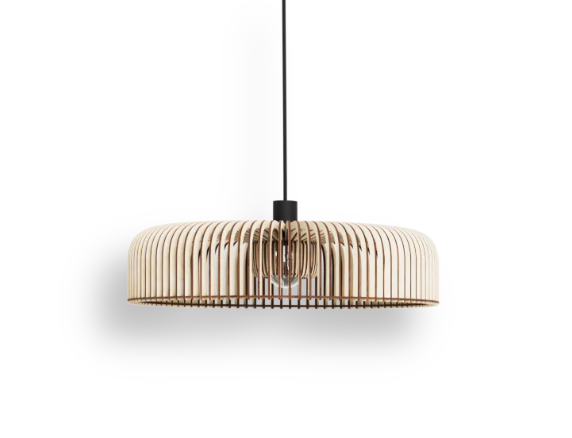

Contemporary hospitality architecture has experienced a fundamental shift toward tactile, biophilic environments that resonate on an emotional level with discerning guests. As luxury travelers increasingly scrutinize the environmental credentials of bespoke destinations, design practitioners face the challenge of reconciling rigorous ecological standards with sophisticated aesthetic narratives. Natural timber brings warmth, acoustic dampening, and an undeniable organic presence to commercial interiors. When integrated thoughtfully into interior illumination schemes, sustainably harvested timber transforms commercial spaces into restorative sanctuaries. Studios aiming to achieve refined atmospheric balance frequently draw inspiration from Frellio European lighting design, which exemplifies how artisanal woodcraft and modern photometrics converge within high-end international projects.
The Environmental Case for Responsible Timber Specification
In high-concept boutique hotel design, every material selection contributes directly to a building’s lifecycle assessment and environmental narrative. Incorporating timber certified by the Forest Stewardship Council guarantees that raw timber originates from responsibly managed forests that preserve biodiversity and respect local communities. Unlike extruded aluminum or cast bronze, certified timber embodies significantly lower carbon metrics, serving as a carbon sink throughout the operational lifespan of the fixture.
Hospitality specifiers are now aligning lighting choices with comprehensive green building benchmarks like LEED v4.1 and WELL v2. Within these performance standards, verified chain-of-custody documentation is not merely an ethical bonus but an audit requirement. Specifying timber fixtures backed by rigorous certification ensures traceability across harvesting, kilning, machining, and final assembly, insulating development teams from greenwashing scrutiny.
Engineering Performance and Architectural Lighting Standards
Translating delicate natural timber into high-traffic hospitality luminaires requires rigorous engineering foresight. Commercial architectural lighting must meet demanding photometrics, operational longevity, and strict life-safety parameters. Unlike synthetic materials, solid hardwoods and engineered veneers react dynamically to ambient humidity and operational heat. Effective thermal decoupling between integrated solid-state LED engines and timber housings is critical to prevent warping, checking, or premature diode degradation.
To guarantee peak performance and full regulatory compliance, design teams increasingly collaborate with specialized manufacturing studios that produce bespoke wooden lighting for architects seeking custom architectural integrations. These technical partnerships solve intricate detailing challenges:
- Concealed aluminum heatsinks that dissipate thermal energy upward away from organic timber frames.
- Advanced low-VOC fire-retardant finishes that preserve tactile grain while complying with commercial flame-spread codes.
- Precision glare control via recessed micro-prismatic optics, ensuring high visual comfort without compromising raw wood silhouettes.
- Integral architectural dimming compatibility, supporting smooth digital dimming protocols from DALI-2 to 0-10V control networks.
Curating Spatial Intimacy Across Hospitality Zones
Boutique hospitality properties rely on diverse lighting layers to establish distinct atmospheric zones throughout the guest journey. In expansive reception lobbies and double-height atriums, grand timber statement pendants establish an immediate biophilic anchor, softening hard surfaces such as polished concrete or marble flooring. These installations act as acoustic buffers while imbuing monumental architecture with an approachable human scale.
Within dining spaces and cocktail lounges, the focus shifts toward intimate downlighting that enriches culinary presentation and flatters skin tones. A minimalist luminaire like the Noortal Nordic pendant light demonstrates how disciplined geometry and raw wood grain focus illumination cleanly onto tabletops while eliminating visual clutter. In private guest suites, timber wall sconces and bedside pendants craft a residential ambiance, generating warm color temperatures that support circadian health and encourage restorative rest.
Balancing Craftsmanship and Commercial Scalability
Procuring custom timber lighting for boutique hotels demands an uncompromising balance between craft and industrial scalability. Handcrafted prototypes often struggle to maintain consistency across fifty or a hundred uniform guest keys. Conversely, mass-manufactured lighting components frequently lack the soul, tactile variation, and hand-rubbed finishes essential for boutique narrative design.
Architects must evaluate manufacturing partners based on both timber provenance and automated precision machining. Multi-axis CNC profiling allows intricate timber components to achieve millimeter-level tolerances, ensuring that every joinery detail aligns seamlessly across complete production runs. Subsequent hand-finishing, utilizing natural plant-based oils and non-toxic sealants, safeguards the organic texture while protecting the timber against daily housekeeping regimens.
Future Horizons for Timber Architectural Illumination
As circular economy principles become standard across boutique developments, architectural lighting will continue to evolve toward full modularity and material transparency. Luminaires engineered for effortless disassembly allow lighting components, control gear, and timber bodies to be upgraded or recycled independently at the conclusion of a renovation cycle. By prioritizing sustainably managed timber, forward-thinking hospitality architects create timeless interiors that foster well-being, celebrate authentic material culture, and protect planetary health.