

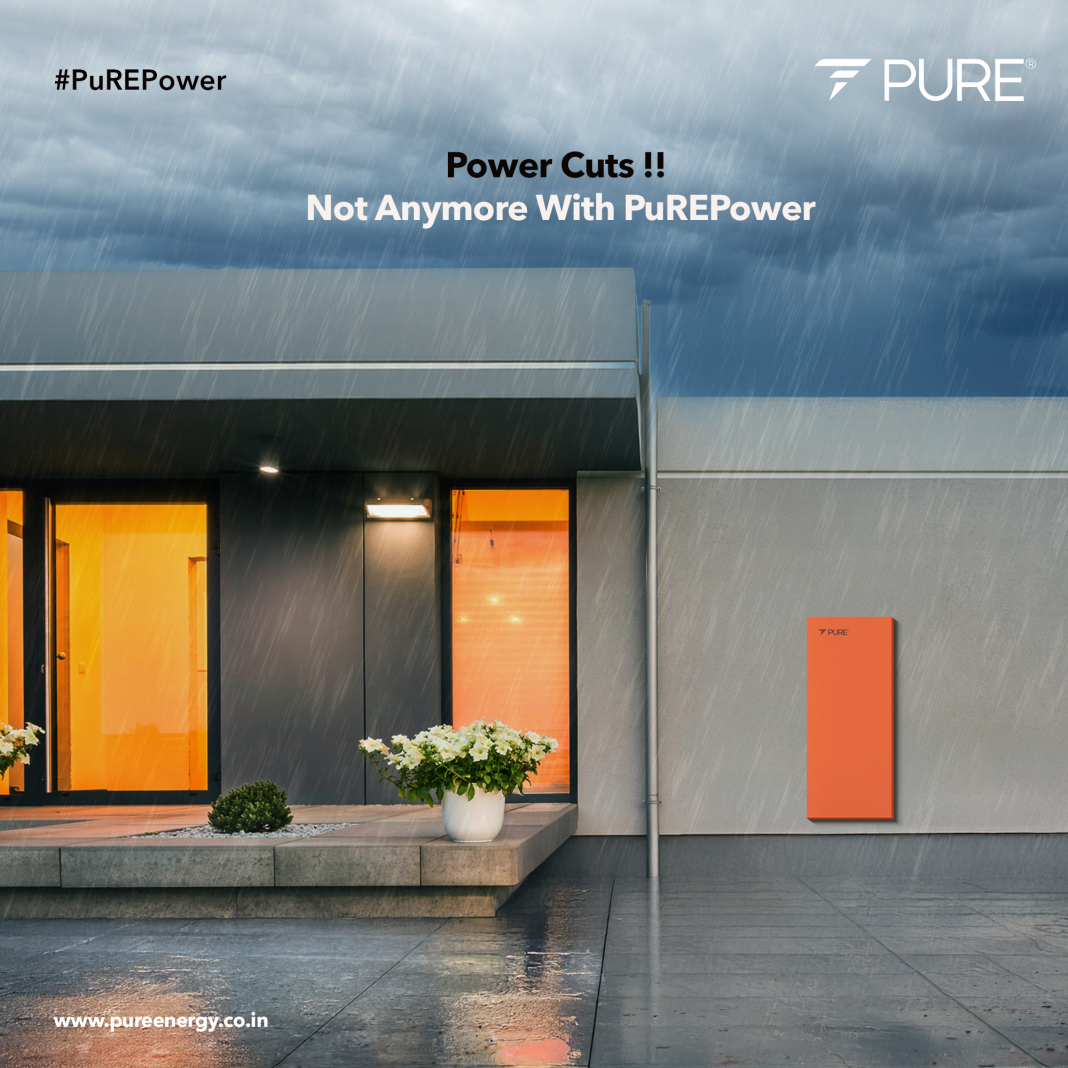

Power Backup Solutions for Business – Why It’s More Important Than You Think
Let’s be real — we all take electricity for granted until it’s gone. And if you run a business, even a short power cut can feel like someone hit the pause button on your life. Imagine your computers shutting down mid-project, your servers going offline, or worse, your coffee machine finally deciding it’s had enough. Total chaos. That’s where Power Backup solutions for business step in, saving you from turning into that frantic entrepreneur tweeting, “Send help. Power is out. Everything is broken.”
I remember my first office job where the power went out for almost 3 hours. Phones didn’t work, laptops died, and people actually started talking to each other (shocking, I know). That day I realized businesses really do need a proper backup system, not just the one hiding in a corner labeled “emergency.”
How Businesses Suffer Without a Backup
You might think, “Oh, it’s just a few hours, not a big deal.” But in reality, downtime can cost more than just lost productivity. Data corruption, missed client calls, delayed shipments, and even damage to your brand reputation can happen before you’ve had time to panic. Some niche stats I found are actually insane: businesses that experience frequent power outages report up to 15% loss in annual revenue. That’s not chump change.
And it’s not just about money. Think about customer trust. People expect you to be reliable. If your online store crashes during a flash sale, those angry tweets and Instagram rants can go viral faster than you can say “backup generator.”
Different Types of Power Backup for Businesses
Not all power backup solutions are created equal. You’ve got your classic UPS systems, diesel generators, and the newer solar-based options. Each has its quirks.
UPS systems are like that friend who’s always there to bail you out — reliable for short-term outages. Generators are more like the heavy-duty friend who shows up late but solves everything, loud and dramatic. Solar solutions are trendy, eco-friendly, and great for long-term sustainability, but they might not cover sudden spikes in demand unless you have a really smart setup.
For small businesses, a good UPS might be enough. Medium to large enterprises? You’re looking at a combination — generators for heavy loads, UPS for smooth transitions, and maybe solar if you’re feeling fancy (and green).
The Real Cost of Ignoring Backup Systems
Here’s a story from my friend who runs a small design studio. One evening, a thunderstorm knocked out the city’s power. His studio had no backup. Computers died, client files got corrupted, and he ended up working all night to salvage what he could. He jokes about it now, but at the time he lost about 20% of his weekly revenue — plus a very grumpy client.
And it’s not just small studios. Big companies can lose millions in a matter of hours. Social media chatter around outages is brutal. A simple tweet like “Company X servers down” can snowball into a PR nightmare if customers can’t access services or products.
Choosing the Right Solution for Your Business
Picking the right power backup solution is not just about size or cost; it’s about understanding your business needs. Ask yourself: How long can you survive a blackout before things fall apart? Which equipment is absolutely critical? Can you afford downtime, or do you need a seamless transition no matter what?
Honestly, a lot of businesses ignore this until it’s too late. Don’t be that business. Think of it like insurance — you hope you never need it, but if you do, you’re extremely glad it’s there.
Installing and Maintaining Your Backup System
Even the best power backup solution is useless if it’s poorly maintained. Regular testing, servicing, and keeping fuel or batteries in check is crucial. I’ve seen offices with brand-new generators that didn’t start because no one bothered to check the battery. Yeah, really.
Maintenance might feel like a chore, but it’s a small price to pay for peace of mind. Think of it like brushing your teeth — tedious at times, but avoiding it can lead to a disaster you definitely don’t want.
Future Trends in Business Power Backup
The tech side is catching up fast. Smart backup systems can now predict outages, switch automatically, and even optimize energy usage to save costs. Integration with IoT devices means your office can manage power like a well-oiled machine — lights, servers, AC, all controlled intelligently.
Even social media is picking up on this trend. I’ve seen startups proudly tweet about being fully solar-powered and having uninterrupted service. It’s not just bragging; it’s marketing AND operational efficiency rolled into one.
Final Thoughts – Don’t Wait for the Lights to Go Out
At the end of the day, power backup solutions for business are about more than just avoiding inconvenience. They’re about protecting your revenue, your reputation, and yes, your sanity. If you haven’t already, take a look at Power Backup solutions for business and figure out what works for you. Because let’s face it, the last thing you want during a power cut is to find yourself Googling, “What do I do when my office loses power?” while your clients are fuming.