

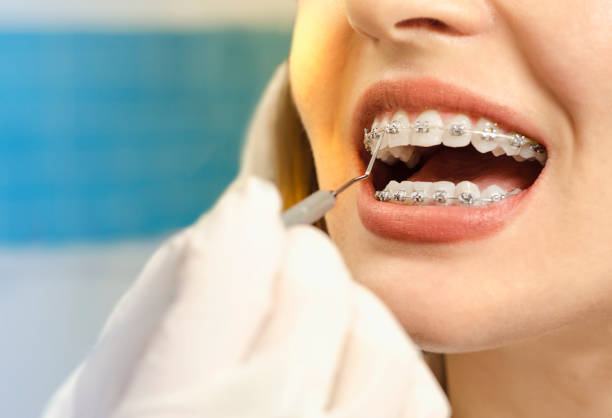

You walk out of your orthodontist in South Torrance appointment feeling fine, maybe a little pressure, and you think, “That wasn’t so bad.” Then a few hours pass, and the soreness creeps in. Your teeth ache when you bite, your cheeks feel tender, and you start wondering if something is wrong or if you just have to put up with this every time your braces are tightened.end
If that is where you are right now, you are not being dramatic. Adjustments change how your teeth and jaws feel, and the discomfort can spill into the rest of your day. Eating becomes a chore, talking feels awkward, and sleep can be restless. It is hard to focus at work or school when your whole mouth throbs.
The good news is that this soreness is usually temporary and manageable. You can use simple strategies at home to ease the pain, protect your mouth, and feel more in control of your orthodontic journey. You will learn why adjustments hurt, how long the pain typically lasts, and six practical tips to make each tightening more tolerable so you can stay on track with treatment without dreading every visit.
Why do braces adjustments hurt, and is this pain normal?
When your braces are adjusted, your orthodontist is changing the pressure on your teeth. That pressure is what moves teeth into better alignment, which is exactly what you want, but your body needs time to get used to it.
After an adjustment, the ligaments that hold your teeth in place are stretched and compressed. This can trigger inflammation. As a result, your teeth may feel loose or sore, and even light contact, like biting into bread, might feel sharp or achy.
The emotional side can be just as tough. You may feel frustrated that every time you start to feel normal, another adjustment sets you back. You might even question whether the treatment is worth it or worry that you have a low pain tolerance.
So, where does that leave you? You cannot avoid adjustments if you want straight teeth, but you also do not have to suffer in silence. Understanding the pattern helps. Most people find that soreness peaks in the first 24 to 48 hours after tightening and then gradually fades over the next few days. If your pain is severe, lasts more than a week, or keeps getting worse, that is not something to ignore. It is a sign to contact your orthodontist for guidance.
What makes post-adjustment soreness feel worse, and what can help?
There are a few common triggers that can make soreness after an orthodontic adjustment feel more intense than it needs to be.
Think about a typical day after your appointment. You might grab something quick to eat, like a crusty sandwich or crunchy chips. The first bite sends a shock of pain through your teeth. You try to chew on the “less sore” side, but that hurts too. By evening, your cheeks may be irritated from new wires or brackets rubbing. Every small bump of your teeth feels magnified.
Because of this tension, you might start avoiding food, talking less, or taking random pain medicine without a plan. You may push through the pain, thinking it is “normal” or feel guilty for complaining. All of that adds stress to something that is already uncomfortable.
The solution is not to tough it out. It is to have a simple, repeatable routine for each adjustment. Pain relief medicine used correctly, softer foods, orthodontic wax, and cool compresses can all reduce the intensity of soreness. Guidance from trusted sources like MedlinePlus on caring for your braces shows that small steps make a real difference.
Once you plan for the discomfort instead of being surprised by it, each visit becomes more manageable. You know what to expect, you have what you need at home, and you feel less anxious before the next tightening.
Comparing common pain relief options after a braces tightening
To make choices easier, here is a simple comparison of common ways to manage soreness after a braces adjustment. This is not medical advice, but it can help you have a more focused conversation with your orthodontist or doctor.
| Method | How it helps | When to use | Important cautions |
|---|---|---|---|
| Over the counter pain medicine (ibuprofen, acetaminophen) | Reduces pain and inflammation so eating and sleeping are easier | Start shortly before or right after an adjustment, then as directed for 1 to 2 days | Always follow package instructions and your doctor’s advice. Not safe for everyone, especially with certain medical conditions |
| Orthodontic wax | Covers sharp brackets or wires to protect cheeks and lips | Use when you feel rubbing, sores, or new irritation after tightening | Replace as needed, remove before brushing, and do not swallow large amounts |
| Cold foods and drinks | Numbs sore areas and can reduce swelling for a short time | Good in the first 24 to 48 hours after tightening | Avoid biting into hard frozen items that could damage brackets |
| Warm salt water rinses | Soothes mouth tissues and can help minor sores feel better | Use 2 to 3 times daily if you have irritation or ulcers from brackets | Use warm, not hot, water and do not swallow the rinse |
| Soft diet | Reduces pressure on sore teeth while they adjust | Best for the first few days after an adjustment | Return to regular brace safe foods as soreness improves |
6 practical tips for managing soreness after braces adjustments
So what can you do right now to feel more comfortable after an adjustment, and to be ready for the next one?
- Plan your pain relief ahead of time
Do not wait until the ache is intense. If your doctor says it is safe for you, use over-the-counter medicine like ibuprofen or acetaminophen about an hour before your appointment or right after. This can soften the peak of discomfort that often hits later in the day.
Keep a small note or reminder on your phone with the name of the medicine, the dose, and how often you can take it. If you are caring for a child with braces, write this out so any caregiver knows the plan. Never exceed the recommended dosage, and if you have kidney, liver, stomach, or bleeding issues, check with a doctor first.
- Switch to a soft, gentle diet for a few days
Your teeth are more sensitive after tightening. Give them a break. Choose foods that require minimal chewing, like yogurt, mashed potatoes, scrambled eggs, smoothies, soups, pasta, or soft cooked vegetables.
A simple rule can help. If you have to bite hard or tear it with your front teeth, save it for later in the week. Cut food into small pieces and chew slowly. This protects your brackets and reduces pain when your teeth touch.
- Use the power of cold and warmth wisely
Cold can be calming. Cold water, cool smoothies, or sugar-free popsicles can help numb sore areas for a short time. You can also apply a cool pack wrapped in a cloth to the outside of your cheek for 10 to 15 minutes at a time.
If you develop sore spots on your cheeks or gums from brackets or wires, warm salt water rinses can feel soothing. Mix about half a teaspoon of salt in a glass of warm water. Swish gently, then spit. Do this a few times a day as needed.
- Protect tender spots with orthodontic wax
Adjusted wires and brackets can rub in new places. That friction can cause small sores that make everything feel worse. Orthodontic wax is a simple fix. Dry the area, pinch off a small piece of wax, roll it between your fingers to soften it, then press it over the bracket or wire that is causing irritation.
If you are not sure how to use wax, ask your orthodontist to show you during your next visit. Many offices are happy to give extra wax and a quick demonstration so you feel more confident at home.
- Stay on top of gentle but thorough oral hygiene
When your mouth hurts, brushing can be the last thing you want to do. Avoiding it, though, can lead to plaque buildup, swollen gums, and more sensitivity. Use a soft-bristle toothbrush. Brush with small, slow circles along the gumline and around each bracket. Take your time.
If regular floss is too difficult, use floss threaders or a water flosser designed for braces. Keeping your mouth clean reduces inflammation and can make soreness easier to manage over time.
- Know when to call your orthodontist
Some discomfort is expected. Certain problems are not. Contact your orthodontist if you notice sharp or broken wires, a bracket that has come off, sores that will not heal, or pain that is severe, throbbing, or lasts more than a week. These are signs that something may need to be adjusted.
Your orthodontist wants your treatment to work and to be as comfortable as possible. Speaking up is not complaining. It is part of being an active partner in your own care.
Moving forward with more confidence in your orthodontic treatment
Soreness after a braces tightening can make you question why you started this journey, especially on the days when even soft food feels like too much. You are not weak for feeling that way. You are simply human, dealing with real physical and emotional stress.
With a simple plan for pain relief, a softer diet, careful mouth care, and clear boundaries for when to call your orthodontist, you can turn each adjustment from something you dread into something you can handle. Over time, the pattern becomes familiar. You know the soreness will come, and you also know it will pass.
Orthodontic treatment is a series of small, sometimes uncomfortable steps that add up to a meaningful change. Each time you manage the discomfort well, you are not only moving closer to a healthier smile. You are proving to yourself that you can handle the process too.