

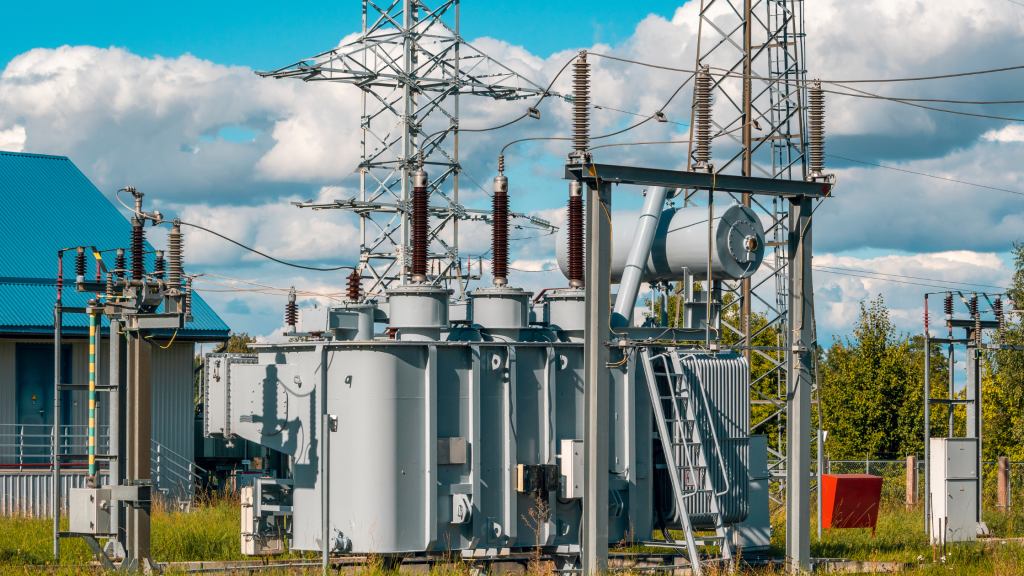

Recycling transformer scrap is not only an essential practice for reducing waste, but it also brings significant environmental benefits. Transformers, which are used in electrical systems to adjust voltage levels, often contain valuable metals like copper and steel.
When these transformers reach the end of their life cycle, recycling them properly ensures that these materials are reused, preventing unnecessary extraction of new raw materials. In this post, we will explore five important environmental benefits of transformer scrap recycling.
1. Reduces the Need for Mining Natural Resources
Mining for metals, such as copper and steel, can have severe environmental consequences. Extracting these materials often involves habitat destruction, water pollution, and high energy consumption. By recycling transformer scrap, we can reduce the demand for mining new resources.
The metals in discarded transformers can be melted down and reused, thus conserving precious natural resources and reducing the environmental impact of mining activities. This reduction in mining also lessens the overall carbon footprint associated with metal production.
2. Decreases Energy Consumption
Recycling transformer scrap uses significantly less energy compared to extracting and processing new metals. The process of mining, refining, and manufacturing new metal products requires vast amounts of energy, contributing to higher carbon emissions.
When transformers are recycled, the metals are processed with much lower energy inputs. This efficiency not only helps in reducing greenhouse gas emissions but also lessens the strain on energy resources, promoting sustainability in the energy sector.
3. Reduces Greenhouse Gas Emissions
One of the most important environmental benefits of transformer scrap recycling is its contribution to lowering greenhouse gas emissions. The energy-intensive process of mining and manufacturing metals emits large quantities of carbon dioxide and other harmful gases into the atmosphere.
By recycling transformer scrap, we significantly reduce these emissions, helping mitigate climate change. This reduction is essential for meeting global carbon reduction targets and reducing the impact of industrial processes on the planet.
4. Minimizes Landfill Waste
Every year, millions of transformers are disposed of improperly, often ending up in landfills. These discarded transformers not only take up valuable space but can also leak harmful chemicals into the soil and groundwater.
Recycling transformer scrap helps keep these hazardous materials out of landfills and ensures they are handled in a way that prevents environmental contamination. By giving transformers a second life, we reduce the volume of waste in landfills, helping to combat the growing problem of waste disposal.
5. Promotes Sustainable Manufacturing
Recycling transformer scrap encourages the use of recycled materials in the manufacturing process, which supports the circular economy. Using recycled metals in new products reduces the need for virgin materials and promotes a more sustainable approach to industrial production.
This shift towards sustainable manufacturing reduces the environmental impact of the production process and helps create a more sustainable future for both businesses and consumers.
Conclusion
Recycling transformer scrap offers numerous environmental benefits, from conserving natural resources to reducing energy consumption and greenhouse gas emissions. It plays a crucial role in reducing landfill waste and promoting sustainable manufacturing practices.
By recycling transformer scrap, we can protect the environment, reduce the demand for new raw materials, and contribute to a more sustainable future.