

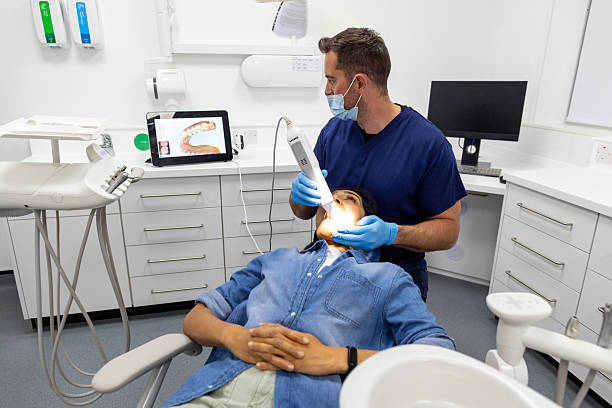

You want a healthy mouth that also looks good. Preventive care protects your teeth from decay and infection. Cosmetic treatment shapes how your smile looks in daily life. Both work together. They are not opposites. A dentist in South San Jose can clean, repair, and then refine your teeth so your smile feels strong and also looks natural. First, preventive visits find problems early. Then cosmetic treatment can close spaces, fix chips, and smooth rough edges that trap plaque. Second, whitening and stain control can motivate you to brush and floss with more care. Third, straighter teeth are easier to clean and keep healthy. Finally, cosmetic repairs can protect worn teeth from further damage. When you see how these two types of care fit together, you can plan treatment that supports your health, your comfort, and your confidence every day.
How Preventive and Cosmetic Care Work Together
Preventive care keeps your mouth free from disease. Cosmetic care changes the look of your teeth and gums. You do not need to choose one. You can use both in a clear order.
Here is a simple way to see the link.
- Preventive care finds and controls decay and gum disease.
- Cosmetic care reshapes teeth that are already clean and stable.
- Together they help you keep strong teeth for a long time.
The American Dental Association explains that regular checkups and cleanings lower your risk of cavities and gum disease.
Preventive Care vs Cosmetic Care
| Type of care | Main goal | Common examples | Health benefit
|
|---|---|---|---|
| Preventive | Stop disease | Checkups, cleanings, fluoride, sealants | Fewer cavities and gum problems |
| Cosmetic | Improve look | Whitening, bonding, veneers, contouring | Easier cleaning and stronger self image |
| Both together | Healthy smile | Care plan that uses both steps | Better function and daily comfort |
1. Whitening That Supports Daily Habits
Surface stains from coffee, tea, and tobacco can build up over time. Professional whitening can lift these stains in a safe way. It works best after preventive cleaning. That is because plaque and tartar block the whitening gel from reaching the enamel.
First, the hygienist removes hardened buildup. Then whitening can reach more of each tooth. You see a clear change. That clear change often pushes you to protect the result.
Many people brush and floss with more care after whitening. They skip tobacco and cut back on dark drinks. They also keep regular cleanings so the bright look lasts longer.
The Centers for Disease Control and Prevention explains the value of daily brushing with fluoride toothpaste for cavity control. When you combine those habits with whitening, you support both health and appearance at the same time.
2. Straighter Teeth That Are Easier to Clean
Crowded or twisted teeth are hard to reach with a brush or floss. Food and plaque stay between them. That raises the risk of decay and gum disease.
Orthodontic care, such as clear aligners, can move teeth into better positions. This type of care often starts after preventive treatment. Cavities are filled, and gums are treated first. Then the teeth can move in a cleaner mouth.
Once teeth are straighter, you can clean them with less effort. The brush reaches more surfaces. Floss slides between teeth in a smoother way. You spend less time fighting plaque in tight spots.
For children and teens, early preventive visits help the dentist spot crowding. Then the family can plan for braces or aligners at the right time. For adults, straightening is still possible. It just needs a stable base of healthy gums and bone.
3. Repairs That Seal and Protect Weak Teeth
Chips, cracks, and worn edges do more than hurt your smile. They can catch plaque and stress the tooth. That raises the chance of decay or deeper cracks.
Cosmetic bonding uses tooth colored resin to rebuild small broken parts. Veneers cover the front of teeth that are stained or worn. Contouring smooths sharp or rough spots. Each of these changes also removes places where plaque can hide.
In many cases, the dentist will first treat any active decay. Then, cosmetic repair closes the damaged spots. You get a cleaner shape that is easier to brush and floss. You also feel less worried about the tooth breaking more during meals.
When repairs protect weak points, they support preventive care. You are less likely to need root canals or extractions later. You also feel more willing to smile and speak without holding back.
4. Gum Shaping That Helps Oral Health
Gums frame your teeth. Uneven or puffy gums can make teeth look short or crooked. They can also trap food and plaque in deep pockets.
Gum reshaping can remove small amounts of extra tissue and even the gum line. It often follows gum treatment that brings infection under control. The goal is to create a shape that is healthy and easy to keep clean.
After gum shaping, the edges of the gums fit more snugly around each tooth. That fit makes it harder for new plaque to hide. It also makes flossing feel smoother. You feel less bleeding and less soreness when you clean your teeth.
For some people, gum shaping is paired with veneers or bonding. The teeth and gums change together. You gain a balanced smile and a cleaner line that supports long-term health.
Building a Simple Plan for Your Family
You can use a clear three-step plan.
- Start with a checkup and cleaning for each family member.
- Treat any decay or gum disease until the mouth is stable.
- Add cosmetic changes that fit your needs and budget.
Children may need sealants, fluoride, and later orthodontic care. Adults may choose whitening, bonding, or gum shaping. Older adults may focus on repairs that protect worn teeth and old fillings.
When you see preventive and cosmetic care as partners, you stop viewing cosmetic work as only surface-level. Instead, you use it as one more tool to keep your mouth strong, clean, and comfortable through each stage of life.