

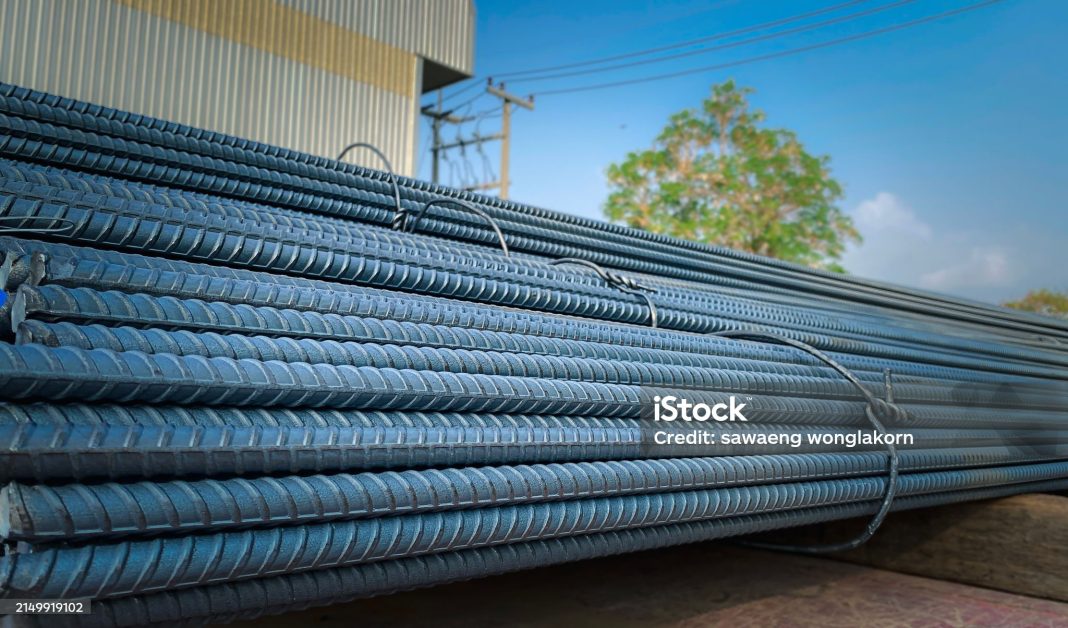

I still remember standing at a half-finished site a couple years back, dust everywhere, chai getting cold, and someone arguing about steel like it was politics. That’s where Tmt bars first stopped being a textbook word for me and started feeling… important. You hear people say “steel is steel,” but that’s like saying all tea tastes the same. Anyone who’s tried roadside chai vs office machine chai knows that’s not true.
In construction, especially when you’re dealing with angle products, beams, or anything structural, the quality underneath matters more than the paint on top. Maybe I’m wrong, but I’ve noticed builders don’t talk about this stuff online unless something goes wrong. When it goes right, silence. When it bends, cracks, or rusts too early, suddenly everyone’s an expert on WhatsApp groups.
Steel That Behaves When Things Get Tough
Steel angle products depend heavily on what’s holding everything together. The bars inside concrete are like bones in a body. You don’t see them, but once something fractures, it’s a nightmare. That’s why people obsess over flexibility and strength, sometimes more than price, though nobody admits that part out loud.
One lesser known thing is how temperature treatment changes behavior of steel. It’s not just heating and cooling like making Maggi noodles. The way the outer layer hardens while the core stays softer helps the structure handle earthquakes or load shifts. India doesn’t talk enough about seismic resistance unless there’s a disaster trending on X, then everyone suddenly remembers building codes.
From what I’ve seen, angle sections made with proper reinforcement don’t just last longer, they feel more stable during fabrication. Welders sometimes say the sparks tell you the story. Sounds dramatic, but old timers swear by it.
Why Local Steel Conversations Are Getting Louder Online
Scroll through regional construction reels on Instagram and you’ll see it. Someone testing steel with a hammer, another bending a rod like it’s gym equipment, comments full of fire emojis and arguments. Half of it is marketing drama, half genuine curiosity. People are tired of overpromises.
What’s interesting is how smaller cities are becoming more vocal. Earlier, big metros decided trends. Now local manufacturers and suppliers are being judged in public comments. That pressure is actually good. It pushes consistency, especially for steel angle products that are often used in warehouses, sheds, and factories where failure isn’t an option.
There’s also this growing sentiment that sourcing closer saves headaches. Transport damage, delays, mismatch in grades, all of that adds up. Someone on a contractor forum recently joked that by the time steel reaches site, it’s already emotionally tired.
Angles, Load, and the Boring Math That Actually Saves Money
I’ll admit, load calculations bored me when I first tried understanding them. But think of it like carrying grocery bags. If you put all weight on one finger, pain. Spread it across your hand, suddenly manageable. Steel angles work the same way. Proper reinforcement inside concrete spreads stress, not letting one point suffer too much.
A small stat I read somewhere, not sure how updated it is, but nearly 60 percent of structural failures in low-rise buildings come from poor reinforcement practices, not design flaws. That’s wild. People blame architects, but often it’s material shortcuts.
Angle products need consistent strength because they deal with torsion, bending, and sometimes weird forces no one planned for. When reinforcement is reliable, fabrication becomes smoother. Less wastage, fewer do-overs, and less shouting on site. That alone saves money, even if initial cost feels slightly higher.
The Quiet Trust Factor Nobody Advertises
No brand really talks about trust directly. They talk numbers, grades, standards. But on site, trust is built when steel behaves predictably. When cutting doesn’t feel like wrestling. When welding doesn’t crack unexpectedly. When the structure stands straight without coaxing.
I’ve seen contractors stick with the same supplier for years, even if another offers cheaper rates. Why? Because changing steel feels like changing a mechanic. Risky. Especially when deadlines are tight and labor costs keep climbing like petrol prices.
For steel angle products, consistency matters more than flashy claims. You want something that just works, day after day, without drama. Boring steel is good steel, someone once said. I kind of agree.
Ending Where Most Builders Actually Start Thinking
By the time finishing work begins, most decisions are locked. But smart builders think about reinforcement early. Especially when sourcing tmt bars raipur, because regional availability affects timelines more than people expect. Delays don’t just cost money, they mess with morale on site.
I’ve noticed more discussions lately about aligning angle products with locally sourced steel to avoid compatibility issues. Makes sense. Steel isn’t just metal, it’s a system. When parts match, things flow better.
So yeah, maybe I’m a bit biased after spending too much time around dusty sites and loud cutting machines. But if you ask me, choosing tmt bars thoughtfully is less about ticking boxes and more about avoiding future regrets. And in construction, fewer regrets usually means a building that stands quietly, doing its job, long after the noise is gone.