

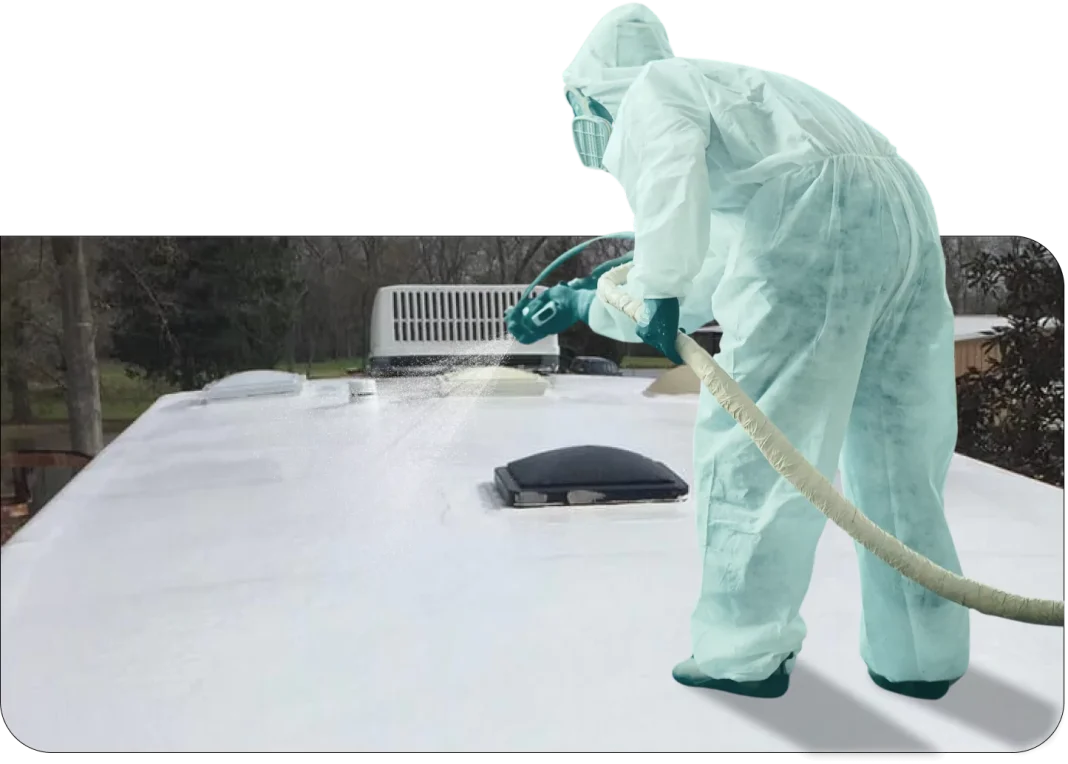

Owning a recreational vehicle is one of life’s great freedoms — the ability to hit the open road and bring the comforts of home wherever adventure leads. But for all the joy an RV provides, it comes with a unique set of maintenance challenges that can catch new owners off guard. Among those challenges, none is more costly or more preventable than roof deterioration. An RV roof takes a beating from sun, rain, tree branches, hail, and temperature swings. If you’re not actively protecting it, you’re quietly watching your investment erode.
Understanding Why RV Roofs Fail
Most RV roofs are built with materials like TPO, EPDM rubber, fiberglass, or aluminum — each with its own lifespan and vulnerability profile. Rubber roofs, for instance, are prone to cracking and shrinking as they age. Fiberglass can develop stress cracks and spider-webbing over time. Seams and seals around vents, skylights, and air conditioning units are notoriously weak points where water infiltration begins. Even a pinhole leak can allow moisture to seep into the roof substrate, travel laterally through the insulation, and cause significant structural damage to walls, ceilings, and cabinetry — all of it hidden behind finished surfaces until the damage becomes severe.
UV radiation is another silent destroyer. Most roofing materials degrade under prolonged sun exposure, becoming brittle and less flexible. An RV parked outdoors year-round in a sunny climate can age twice as fast as one stored in a garage or under a carport. The economic reality is that roof repairs and water damage remediation are among the most expensive maintenance items RV owners encounter — easily running into the thousands of dollars for a comprehensive repair.
The Rise of Polyurea Coatings for RV Roofs
In recent years, the RV industry has seen growing adoption of advanced protective coating technologies that were previously reserved for industrial applications. Chief among them is polyurea — a two-component elastomeric coating that cures rapidly, adheres tenaciously to most surfaces, and forms a seamless, waterproof membrane that dramatically outperforms conventional roofing materials in both durability and longevity. When evaluating options for a long-lasting rv roof coating, polyurea systems consistently rank at the top for performance metrics including UV resistance, flexibility, tensile strength, and service life.
Unlike traditional coatings that may need to be reapplied every few years, a quality polyurea system can deliver 20 or more years of protection when properly applied. The coating bonds directly to the existing roof surface, bridging small cracks and creating a monolithic waterproof barrier that effectively eliminates the seam vulnerabilities that plague conventional RV roofs. Its flexibility means it expands and contracts with the RV’s movements without cracking — a critical feature given the constant vibration and flex an RV experiences on the road.
Industry Recognition and Innovation
The professional RV market has taken notice of these advances. Trade publications and industry insiders have highlighted how manufacturers of high-performance coatings are bringing purpose-built solutions directly to the RV sector. One widely covered development was ArmorThane’s launch of a polyurea coating specifically engineered for RV roof applications, which received significant attention for its rapid cure time and comprehensive protection profile. Coverage of this polyurea rv roof coating development highlighted key advantages including fast return-to-service times, the ability to apply over existing roof materials without removal, and a seamless barrier against both water infiltration and UV degradation.
This kind of industry innovation matters because it gives RV owners access to technology that was once only practical in commercial or industrial settings. Rather than relying on periodic caulking and patch kits, RV owners can now invest in a single comprehensive treatment that provides lasting protection with minimal ongoing maintenance.
What to Look for When Choosing an RV Roof Coating
Not all roof coatings are created equal. When evaluating products, RV owners should look beyond marketing claims and focus on a few key performance indicators. First, consider the product’s elongation rating — how much it can stretch before tearing. A coating applied to an RV roof needs substantial elongation capacity to flex with the vehicle in motion. Second, evaluate UV resistance; a coating without UV stabilizers will degrade rapidly under sun exposure, potentially voiding its own protective function.
Third, consider the application method and whether it requires professional equipment. While some coatings are brush or roll-applied, the highest-performing polyurea systems typically require professional spray application equipment to achieve proper thickness and chemical mixing ratios. This means factoring in professional installation costs, though the long-term savings in avoided repairs and extended roof life typically make the investment worthwhile.
Preventive Care vs. Reactive Repair
One of the most important mindset shifts for RV owners is moving from reactive to preventive maintenance. Many people invest in a roof coating only after a leak has been discovered — and by that point, some degree of structural or cosmetic damage has already occurred. Applying a protective coating to a roof in good condition is always preferable, both because the coating performs better on an undamaged substrate and because it avoids the compounding costs of water damage repair.
Regular inspections — at least once a year and after any significant weather events — are essential for catching developing issues early. Look for bubbling, cracking, soft spots, or discoloration on the roof surface, and check all seams and penetrations carefully. Catching a small seam separation early can be as simple as resealing with the appropriate caulk, while leaving it unaddressed for a season can result in extensive interior damage.
Final Thoughts
Your RV is more than a vehicle — it’s a home on wheels, and protecting it starts from the top down. Investing in a quality roof protection strategy, whether through a professional polyurea coating system or a disciplined inspection and maintenance routine, pays dividends in extended service life, preserved resale value, and peace of mind. Don’t wait for the first water stain on the ceiling to remind you that the roof exists. The best time to protect an RV roof is before it needs it.