

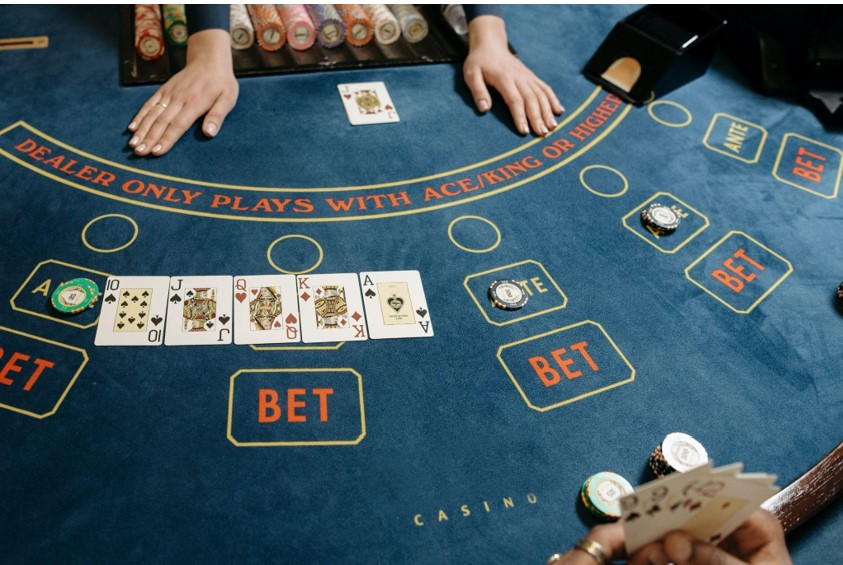

In a world filled with increasingly complex digital experiences, it is often the simplest formats that leave the strongest impression. Baccarat is a perfect example of this. While many card games demand strategic thinking and calculated risks, baccarat relies on a structure that feels almost effortless to follow—yet remains deeply engaging.
What makes this game particularly interesting is not just how it works, but why people are drawn to it.
A Game of Observation Rather Than Control
One of the defining characteristics of baccarat is the limited level of control players have during gameplay. Unlike poker, where decisions shape outcomes, baccarat shifts the experience toward observation. Players place their bets and then watch the results unfold based on fixed rules.
This passive style of interaction may seem unusual, but it creates a different kind of engagement. Instead of focusing on strategy, players often pay attention to patterns, sequences, and outcomes over time. The experience becomes less about decision-making and more about interpretation.
The Illusion of Patterns
Many players are intrigued by the scoreboards displayed during baccarat games. These boards track previous outcomes, often leading to the belief that trends can be identified and used to predict future results.
From a mathematical standpoint, each round is independent. However, the human brain naturally seeks patterns—even when none truly exist. This psychological tendency is one of the key reasons baccarat remains so captivating. It offers a sense of involvement without requiring direct control.
Speed and Instant Feedback
Modern entertainment often favors speed, and baccarat aligns perfectly with this preference. Each round is completed quickly, providing immediate feedback. There is no long waiting period, no extended gameplay cycles—just rapid results that keep the momentum going.
This quick turnaround makes it easy for players to stay engaged without feeling overwhelmed. It also allows for short sessions, which can be appealing in a fast-paced lifestyle.
Accessibility in the Digital Age
As online platforms continue to evolve, traditional games have adapted to meet new expectations. Baccarat has transitioned seamlessly into the digital space, where it can be accessed across multiple devices.
The interface is typically clean and easy to navigate, reflecting the simplicity of the game itself. Whether accessed on a desktop or a mobile device, the experience remains consistent, reinforcing its accessibility.
For those exploring how such traditional games are presented in modern contexts, including their integration into broader platforms, this overview of บาคาร่า provides an example of how the game is positioned today.
Minimal Learning Curve, Maximum Appeal
Another reason baccarat continues to attract attention is its low barrier to entry. New players can understand the core mechanics within minutes, without needing to study complex rules or memorize strategies.
This ease of entry makes it welcoming to a wide audience. At the same time, its underlying structure and perceived patterns keep experienced players interested.
A Balance Between Chance and Experience
Baccarat operates entirely on probability, yet it doesn’t feel purely random to many who play it. The combination of visual tracking, quick results, and simple choices creates an experience that feels interactive—even when outcomes are not influenced by player actions.
This balance is what gives baccarat its lasting appeal. It offers just enough engagement to hold attention, without the pressure of constant decision-making.
Closing Perspective
Baccarat’s continued relevance is not accidental. It reflects a deeper understanding of how people engage with games—favoring simplicity, speed, and psychological involvement over complexity.
In an era where many experiences compete for attention, baccarat stands out by doing less, yet delivering more in terms of engagement. Its enduring popularity highlights the power of straightforward design combined with human curiosity