

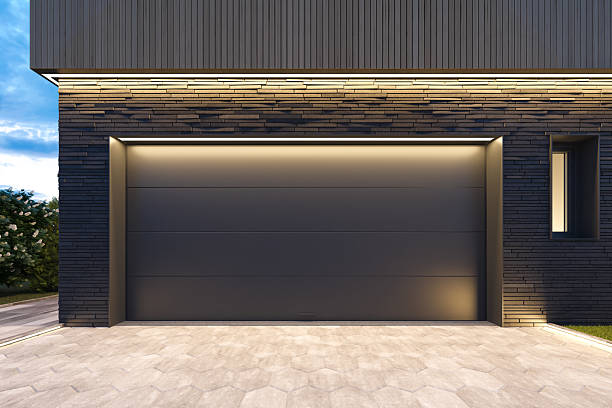

In the evolving landscape of 2026 residential management, the garage door has officially transitioned from a simple mechanical hardware piece to a cornerstone of home architecture and digital security. For most households, the garage serves as the primary entryway, yet it is often the largest “thermal leak” and a potential weak point in the home’s security envelope. Choosing a replacement is no longer just about color or style; it is an exercise in balancing high-performance material science with the latest in encrypted automation. As you look to Find the Best Garage Door Solution for your property, understanding the interplay between insulation R-values, material resilience, and smart integration is essential for a long-term, value-adding investment.
The Thermal Envelope and Energy Management
One of the most significant shifts in modern home design is the focus on the “building envelope.” Because the majority of garages are attached to the primary living structure, the garage door acts as a massive thermal bridge. An uninsulated steel door essentially functions as a giant radiator, transferring sub-zero winter air or blistering summer heat directly into the garage, and subsequently, through shared walls and ceilings into your living spaces.
The gold standard in 2026 for combatting this is “Intellicore” or injected polyurethane insulation. Unlike older polystyrene sheets that leave air gaps, polyurethane is injected as a liquid and expands to fill every square inch of the door panel’s cavity. This not only provides an exceptional R-value, often exceeding 18.0 in premium models, but it also creates a “sandwich” effect that significantly increases the structural rigidity of the door. A well-insulated door creates a buffer zone that protects temperature-sensitive items like car batteries, paints, and electronics, while simultaneously reducing the workload on your home’s HVAC system.
Material Science: Balancing Aesthetics and Maintenance
The choice of material is the primary driver of the door’s longevity and its resistance to the regional environment. While steel remains the most popular choice for its durability and cost-effectiveness, the market has diversified to meet specific maintenance and aesthetic needs:
- Reinforced Steel: Modern steel doors now feature multiple layers of baked-on polyester coatings and galvanized finishes to prevent oxidation. For high-traffic households, heavy-gauge steel (24 or 25-gauge) is preferred to resist the dents and dings of daily life.
- Aluminum and Frameless Glass: These doors have become the signature of contemporary “minimalist” architecture. Utilizing rust-resistant frames and tempered glass, available in frosted, tinted, or mirrored finishes, they provide natural light to the garage while maintaining privacy.
- Faux-Wood Composites: In the past, the beauty of natural wood came with a heavy maintenance price tag, including annual staining to prevent rot and warping. Today’s advanced composites utilize recycled wood fibers and moisture-resistant resins to mimic the texture of cedar or mahogany perfectly, providing the warmth of timber with the “set it and forget it” durability of steel.
- Fiberglass and Vinyl: These materials are specifically engineered for coastal or high-humidity regions. They are virtually impervious to salt-air corrosion and do not warp, crack, or rot, making them the ideal choice for environments where moisture is a constant threat.
Security in the Era of Encrypted Access
As we navigate 2026, the garage has become a hub of smart home innovation. Security is no longer defined by a simple physical lock, but by sophisticated digital encryption. Rolling code technology is now the baseline, ensuring that the access code changes billions of times, every time the remote is pressed, to prevent “code grabbing” by unauthorized individuals.
However, the real revolution lies in biometrics and AI-driven monitoring. Integrated high-definition cameras with motion sensors can now distinguish between a family member and a delivery courier, sending real-time alerts to your smartphone. Many modern systems also feature geofencing, which uses your vehicle’s GPS location to open the door as you enter the driveway and close it automatically once you are safely inside. This “hands-free” convenience is paired with automatic deadbolts that physically lock the door into the track, providing a level of physical security that transforms the garage into one of the most secure zones of the property.
Acoustic Engineering and Quiet Operation
For many families, the garage door is located directly below a bedroom or adjacent to a home office. The traditional “rattle and hum” of a chain-drive opener is increasingly a relic of the past. Modern selection criteria now include “acoustic performance.” This is achieved through the use of belt-drive systems, reinforced with steel-belted rubber for silent operation, and nylon rollers with sealed ball bearings.
Nylon rollers absorb the vibrations that steel rollers transmit through the tracks and into the home’s framing. When paired with an insulated door that acts as a sound baffle, the operational noise is reduced to a whisper. This is particularly important in 2026, as more garages are repurposed into multi-use spaces like home gyms, studios, or workshops.
The Financial Return on Investment
From a real estate perspective, garage door replacement continues to rank as one of the top home improvement projects for ROI. Because the door occupies so much visual real estate, it is often the first thing a potential buyer or appraiser notices. A modern, energy-efficient, and secure door signals that the home has been meticulously maintained. Beyond the immediate boost in curb appeal, the long-term savings on utility bills and the reduction in maintenance costs make it a rare project that pays for itself both in daily comfort and eventual resale value.
A Strategic Choice for Your Home
Finding the best garage door for your specific needs is a process of identifying your priorities: Is your primary concern energy efficiency, high-tech security, or the timeless look of carriage-house wood? By prioritizing high R-value insulation, durable substrates like galvanized steel or composite, and the latest in rolling-code encryption, you turn a standard utility into a long-term asset. Whether you are building a new contemporary masterpiece or upgrading a traditional family home, the modern garage door is a sophisticated shield that protects the life you build inside. Taking the time to evaluate these technical variables ensures that your largest moving entrance remains a reliable, silent, and secure servant of your household for decades to come.