

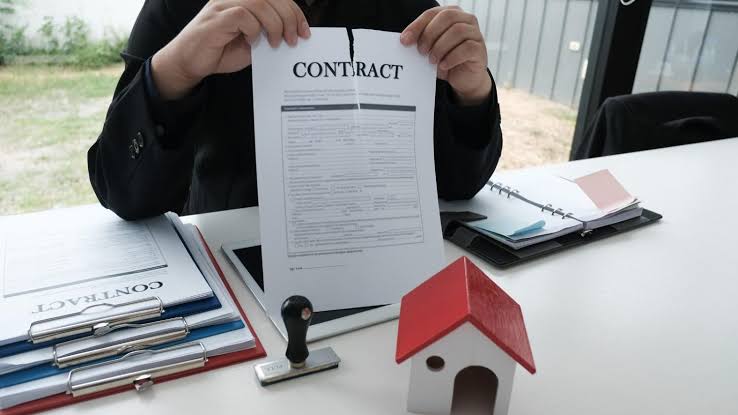

You expected the other side to do what they promised. Instead, deadlines slipped, payments stopped, services changed, or the final result looked nothing like the deal you made. That kind of contract problem can leave you angry, stuck, and unsure what to do next, especially when money, property, or family plans are tied to the agreement. The experienced team at johnsonmay has got your back.
A breach of contract dispute usually comes down to a simple question with serious consequences. Did one side fail to do what the contract required, and if so, what can be done about it? The short answer is this. Gather the contract, document what happened, limit further damage, and get legal help before the problem grows. If you need a plain language overview of what counts as a breach, Cornell Law School offers a helpful definition of breach of contract.
Breach of contract disputes often start small and get expensive fast
Many disputes do not begin with a dramatic refusal. They start with a missed email, a delayed payment, a promise to fix the issue next week, then another delay, then silence. You may keep giving the other side more time because you want to avoid conflict or because you still hope the agreement can be saved. That is a normal reaction. It is also how a manageable issue turns into a larger loss.
If the contract involved estate matters, the pressure can feel even heavier. An agreement tied to trust administration, property transfers, or legal services may affect family relationships as much as finances. You are not only dealing with a broken promise. You are dealing with uncertainty, time pressure, and the fear that one wrong move could weaken your position.
Handling contract disputes well means looking at both the paper and the conduct. The written terms matter, but so do the emails, invoices, text messages, payment history, and any changes the parties accepted along the way. A person may say, “That is not what we agreed to,” yet their own messages may show they accepted a delay or approved a different scope of work. Facts decide these cases.
Contract violation claims depend on proof, timing, and damages
Not every broken promise becomes a strong legal claim. You generally need a valid contract, a clear failure to perform, and measurable harm. If a vendor delivered late but the delay caused no real loss, the dispute may not justify a lawsuit. If someone failed to perform a major duty and you had to spend thousands to replace them, the claim becomes much stronger.
Timing matters more than many people realize. Contracts often require written notice before you can cancel, demand payment, or sue. Some include deadlines for objections, mediation clauses, or limits on damages. If you skip those steps, the other side may argue that you waived your rights. That is one reason people lose leverage even when they were in the right on the facts.
Government contracts follow their own rules. If your dispute involves a federal agreement, the process can be different from an ordinary business or personal contract case. The Department of Justice archive explains parts of the Contract Disputes Act, which applies to certain federal contract claims.
Practical choices in resolving contract disputes
When you are deciding how to respond, the real issue is not just whether you are right. It is how to protect your time, money, and evidence while choosing the path most likely to get a result.
| Approach | Best Use | Main Benefit | Main Risk |
|---|---|---|---|
| Direct written demand | Clear breach, limited facts in dispute | Low cost and fast | Poor wording can weaken your claim |
| Negotiation or mediation | Ongoing relationship or shared interest in settlement | Can preserve business or family peace | Delay may increase losses if the other side is stalling |
| Attorney led review | High value contract, unclear terms, serious damages | Stronger strategy and better protection of rights | Higher upfront cost |
| Lawsuit or arbitration | Major breach, failed settlement efforts | Formal path to enforce rights and recover damages | Time, expense, and stress |
A do it yourself approach can work when the contract is short, the breach is obvious, and the amount at stake is modest. It becomes risky when the other side has counsel, the agreement has technical clauses, or the dispute touches probate, trusts, or property rights. In those cases, a skilled breach of contract lawyer can spot issues that are easy to miss, including notice requirements, fee shifting clauses, and whether specific performance is a better remedy than money damages.
If cost is keeping you from getting help, review the legal aid resources at USA.gov. Some people qualify for free or lower cost support, and even a short consultation can change the direction of a dispute.
Immediate steps to take when a contract has been broken
- Secure every document and message. Save the signed contract, amendments, invoices, emails, texts, screenshots, and proof of payment. Build a timeline with dates and short notes. Do not edit or “clean up” old messages. Original records carry more weight.
- Stop informal side deals. Once a dispute is active, casual phone calls and vague promises often create more confusion. Communicate in writing. Be calm, direct, and factual. State what term was breached, what you want done, and the deadline for response if the contract allows one.
- Get focused legal guidance before the next move. Do this before you terminate the contract, withhold payment, or threaten suit. Those steps can be justified, but they can also backfire if the contract required a different process. Advice from an estate planning lawyer may be especially useful when the agreement affects wills, trusts, inherited property, or family obligations.
Clear action protects your rights and lowers the damage
You do not need to solve the whole dispute today. You need to stop the drift, preserve the facts, and make decisions from a position of strength. How to handle breach of contract disputes comes down to discipline more than drama. Get the records, follow the contract, and do not let frustration push you into a costly mistake.
If your agreement touches estate or family property issues, speak with an Estate Planning Lawyer as soon as possible. Early advice can protect both your legal claim and the relationships around it.