

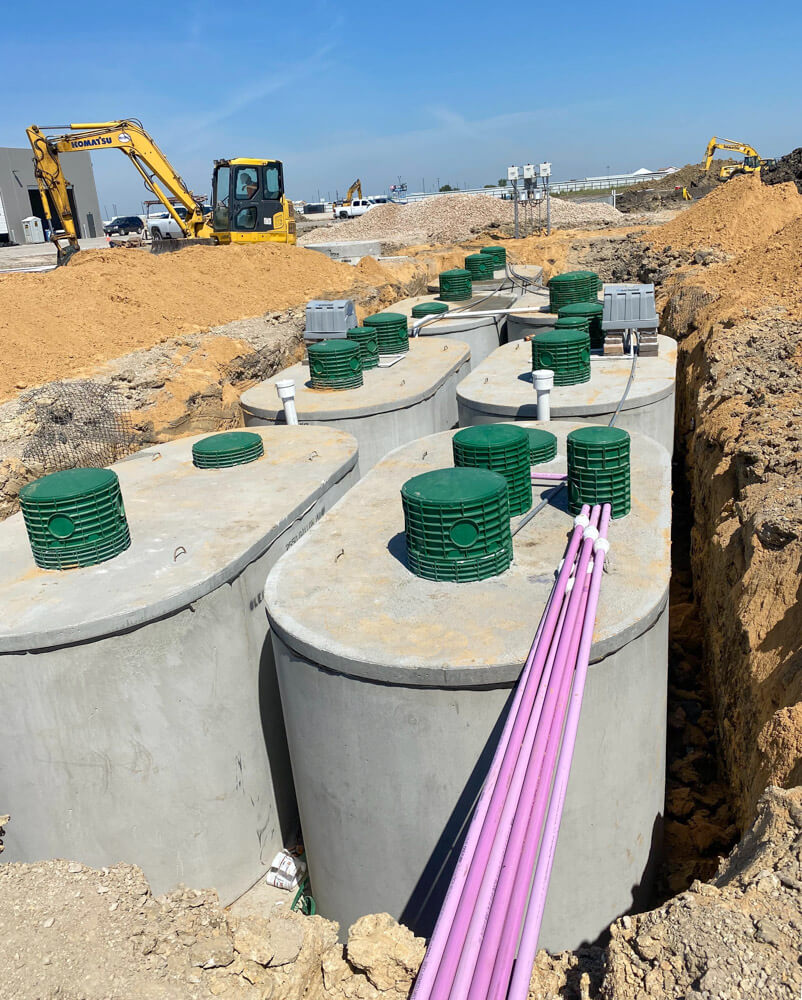

For homeowners outside dense city utility grids, a septic system is not just another line item on a property checklist. It is a core part of how the home functions every day. When a system is poorly planned, rushed, or mismatched to the land, the result can be expensive repairs, frustrating inspections, and long-term performance issues.
That is why the smartest approach starts well before equipment arrives on-site. A well-planned septic project protects your budget, your timeline, and your property itself.
Start With the Property, Not the Product
One of the most common mistakes homeowners make is thinking about septic systems as if they are all basically the same. In reality, the right solution depends heavily on the land. Soil conditions, drainage behavior, slope, lot size, and home usage patterns all influence what kind of system will perform reliably.
Before getting attached to a specific setup, it helps to think through the property in practical terms:
- How much usable space is available for installation?
- Does the site have drainage challenges after rain?
- Is the property heavily wooded or already cleared?
- Will the home be a full-time residence, rental, or occasional-use property?
- Is this a new build, a replacement system, or part of a broader land development project?
These questions matter because septic performance begins underground. A system that looks fine on paper can become a headache if it does not fit the actual conditions of the site.
Understand That Septic Work Is Also Site Work
Many homeowners treat septic installation as a separate task from excavation, grading, and land prep. In practice, those pieces often overlap. Access for machinery, trenching, clearing, and grading can all shape how smoothly the project moves.
That is especially true on rural lots where terrain is uneven, drive access is limited, or trees and stumps must be removed before installation begins. Looking at the whole site instead of only the tank or treatment unit can reduce surprises later.
A better planning mindset is to view the septic project as part of the property’s overall infrastructure. That means asking:
Is the site ready for equipment?
Heavy equipment needs room to move safely and efficiently. Tight access points, soft ground, fencing, or unmarked obstacles can create delays.
Will other improvements affect the septic area?
Driveways, home pads, utility trenches, and landscaping plans should all be considered early. It is far easier to coordinate these pieces in advance than to redo work later.
Does drainage need attention first?
Water movement across the land can influence both installation and long-term function. If runoff or standing water is already an issue, that should be part of the discussion from day one.
Permits and Inspections Should Never Be an Afterthought
Many delays happen not because the physical work is difficult, but because paperwork, approvals, or inspection timing were underestimated. Homeowners sometimes assume the contractor can simply show up and install the system as soon as they are ready. In reality, local requirements often shape the entire schedule.
That is why it is wise to work with professionals who understand the process, from site evaluation through final approval. Clear communication around timing, documentation, and code requirements helps reduce stress and keeps expectations realistic.
For homeowners researching Eustace TX septic services, it is helpful to focus on providers who can explain the project in plain language, including what happens before installation, what approvals may be needed, and what the property owner should expect at each stage.
That kind of clarity is valuable because septic planning is not only about getting the system in the ground. It is about getting it installed correctly, legally, and with fewer avoidable interruptions.
Know the Difference Between Installation and Long-Term Ownership
A successful septic project is not finished the day the equipment leaves. Homeowners should think beyond installation and consider what the system will require over time. The best choice is often not the one that seems simplest in the moment, but the one that will be easier to maintain and live with over the next several years.
When comparing options, ask practical ownership questions such as:
- What routine maintenance will this system need?
- Will it require inspections or service intervals?
- How easy is it to access components if repairs are needed?
- Are there usage habits that could shorten system life?
- What warning signs should the homeowner watch for?
These questions help shift the conversation from short-term price alone to long-term value. A system that fits the property and household properly is usually less stressful to own.
Avoid the “Emergency Decision” Trap
Homeowners facing backups, odors, soggy areas, or repeated plumbing issues often wait too long before taking action. By the time they call for help, the situation may already be urgent. Emergency decisions are rarely ideal because they force people to choose under pressure.
There is a better way to think about it. Even if the issue seems small, early evaluation can make a major difference. Small problems can sometimes point to bigger underlying issues with drainage, wear, or system overload. Catching those signs early gives the homeowner more options.
Common signs that should not be ignored include:
- Persistent wet spots near the drain field
- Slow drains throughout the house
- Unusual odors outdoors or indoors
- Gurgling plumbing fixtures
- Alarms or warning indicators on applicable systems
- Wastewater backups or recurring performance problems
Acting early does not just reduce inconvenience. It also helps protect the yard, surrounding structures, and overall property usability.
Choose Practical Experience Over Sales Language
Home service decisions can become confusing when the conversation is full of vague promises instead of clear explanations. Septic work is technical, but the guidance should still feel straightforward. Homeowners deserve to understand what is being recommended and why.
A strong provider should be able to explain:
What the property conditions suggest
You should get a clear sense of how the land itself affects the project.
What the recommended system is designed to do
The explanation should connect the system choice to your home, lot, and expected usage.
What the timeline may realistically look like
Weather, access, approvals, and inspections can all affect scheduling. Honest expectations are better than overly polished promises.
What support may be needed after installation
Maintenance, service needs, and troubleshooting should be discussed before the job begins, not after a problem appears.
When homeowners prioritize clarity, experience, and site-specific planning, they usually make better long-term decisions.
Conclusion
A septic project goes more smoothly when it is treated as a property planning decision rather than a last-minute purchase. The land, the layout, the timeline, and the future maintenance needs all deserve careful attention. Rushing any of those pieces can create avoidable setbacks.
For rural homeowners, the goal is not simply to install a system and move on. It is to create a dependable setup that works with the property, supports daily life, and reduces the chance of future disruption. With the right planning approach, septic work becomes far more manageable and far less stressful.