

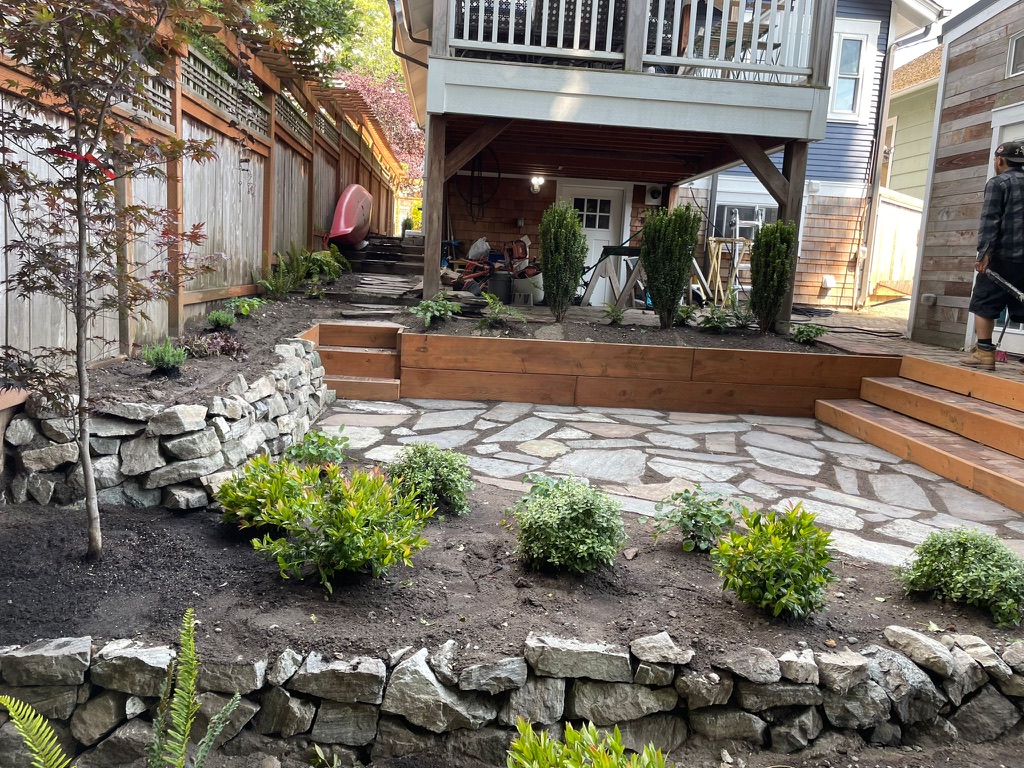

Outdoor spaces are more than decorative additions to a home—they shape how people experience their surroundings. A thoughtfully designed landscape can create a place to relax, entertain guests, grow food, or simply reconnect with nature. In recent years, many homeowners and urban planners have shifted toward environmentally conscious approaches to landscaping, focusing on sustainability, biodiversity, and long-term resilience.
One approach gaining attention is sustainable landscaping, which blends practical outdoor design with ecological responsibility. Instead of forcing nature to fit a rigid aesthetic, this philosophy encourages working with local conditions, native plants, and natural systems.
For homeowners interested in understanding how this design philosophy works in practice, exploring Sustainable Landscape design concepts can provide valuable insights into creating outdoor spaces that are both functional and environmentally responsible.
Rethinking the Purpose of a Yard
Traditionally, landscaping focused heavily on visual appeal—lush lawns, ornamental plants, and carefully shaped hedges. While attractive, these landscapes often require heavy irrigation, fertilizers, and ongoing maintenance.
Sustainable landscape design starts with a different question: What should the space actually do?
For some homes, a yard might function as an outdoor living area with seating and gathering spaces. For others, it might serve as a quiet garden retreat, a play area for children, or a habitat that attracts birds and pollinators.
When landscaping decisions are based on how a space will be used, the design becomes more meaningful and practical. Instead of simply filling a yard with plants, the layout works together with pathways, seating areas, and plantings to support everyday activities.
Common functional landscape features include:
-
Patios or gathering spaces for entertaining
-
Walking paths that guide movement through the garden
-
Shade trees that make outdoor spaces comfortable
-
Natural planting areas that encourage wildlife
A landscape designed with purpose often becomes an extension of the home itself.
The Value of Native Plants
Native plants play a crucial role in sustainable landscaping because they naturally thrive in the local climate and soil conditions. Unlike many ornamental species imported from other regions, native plants have adapted over time to survive with minimal intervention.
This adaptability offers several advantages:
-
Lower water requirements: Native plants typically rely on natural rainfall once established.
-
Reduced maintenance: They are often resistant to local pests and diseases.
-
Environmental support: Native plants provide food and habitat for local wildlife.
When gardens include species that naturally belong in the region, they contribute to healthier ecosystems while remaining easier to maintain.
Supporting Pollinators and Biodiversity
Pollinators such as bees, butterflies, and hummingbirds are essential to many natural processes. They help plants reproduce and support the production of fruits, vegetables, and seeds.
However, urban development and conventional landscaping practices have reduced many natural pollinator habitats.
Sustainable landscapes help address this challenge by incorporating a wide variety of flowering plants that bloom at different times throughout the year. This ensures that pollinators always have access to nectar and pollen.
Creating pollinator-friendly spaces can involve simple design choices, such as:
-
Planting diverse flowering species
-
Avoiding heavy pesticide use
-
Including shrubs and trees that provide shelter
-
Designing layered plantings that mimic natural habitats
These changes allow gardens to become small but important ecosystems that support biodiversity.
Smarter Water Use in Landscape Design
Water conservation is another important part of sustainable landscaping. Traditional lawns often require large amounts of irrigation, especially during dry periods. In contrast, sustainable landscapes focus on plants and soil practices that reduce water consumption.
Strategies commonly used in water-efficient landscapes include:
-
Mulching to retain soil moisture
-
Using drought-tolerant plants
-
Improving soil structure to hold water more effectively
-
Installing efficient irrigation systems
These methods help landscapes remain healthy even during periods of limited rainfall while reducing overall water use.
How Landscaping Influences Property Value
Well-designed outdoor spaces do more than enhance visual appeal—they can also increase the overall value of a property. Attractive and functional landscapes improve curb appeal, making homes more appealing to potential buyers or renters.
Features such as patios, garden pathways, shade trees, and outdoor seating areas create additional living space that extends beyond the walls of the home.
In addition to aesthetic value, sustainable landscaping can also improve energy efficiency. Strategically placed trees provide shade during warm months, reducing cooling costs, while windbreak plants can help protect homes during colder seasons.
These practical benefits contribute to both environmental sustainability and long-term property value.
Balancing Structure and Natural Beauty
Sustainable landscaping does not mean abandoning design principles or allowing outdoor spaces to become unmanaged. In fact, thoughtful structure often enhances natural beauty.
Elements like pergolas, retaining walls, and garden pathways can bring order and visual interest to a landscape while still working with natural features. When combined with native plants and environmentally conscious planning, these design elements create outdoor spaces that feel both intentional and organic.
The goal is to strike a balance between structure and nature—creating gardens that feel inviting while supporting ecological health.
Looking Ahead
As environmental awareness grows, more homeowners are reconsidering how their outdoor spaces interact with the natural world. Sustainable landscaping reflects a broader shift toward responsible design—one that values biodiversity, resource conservation, and long-term resilience.
Instead of treating landscapes as purely decorative spaces, sustainable design encourages people to view their yards as living environments that support both human enjoyment and ecological balance.
When thoughtfully planned, these landscapes become more than gardens. They become thriving outdoor spaces that work with nature rather than against it.