

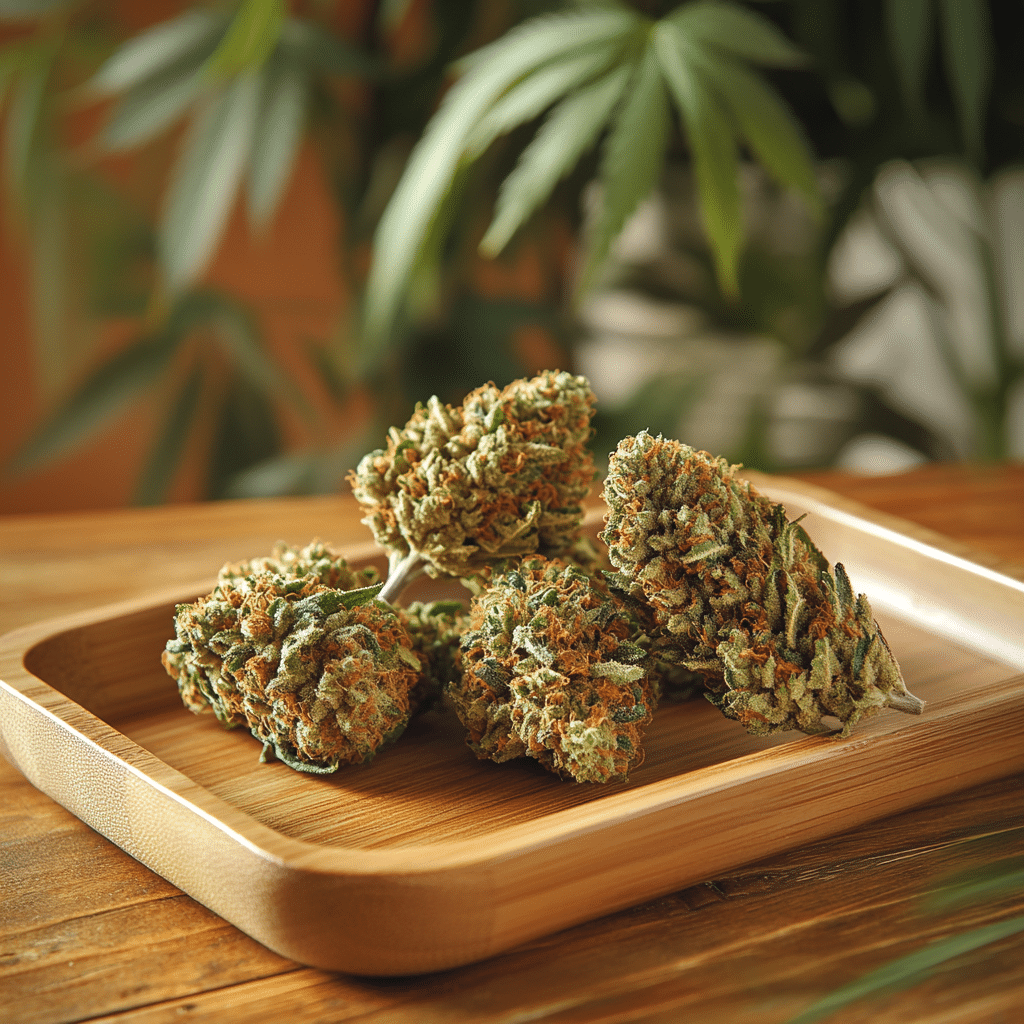

California’s cannabis industry concentrates heavily in the Emerald Triangle—Humboldt, Mendocino, and Trinity counties whose reputations for premium cannabis stretch back decades. However, Central California, particularly the San Joaquin Valley, represents an emerging cultivation powerhouse leveraging agricultural expertise, ideal growing conditions, and strategic positioning to produce exceptional cannabis at competitive prices. Understanding Central California cannabis cultivation reveals how regions like Fresno County are transforming from traditional agriculture centers into cannabis production hubs that may eventually rival Northern California’s dominance.
The San Joaquin Valley has long been America’s agricultural heartland, producing over 250 different crops and generating over $20 billion annually in agricultural revenue. This region’s farmers possess generational knowledge of irrigation, pest management, soil science, and crop optimization. When cannabis legalization arrived, many agricultural families recognized opportunities to apply their expertise to this high-value crop. The transition from almonds or tomatoes to cannabis required learning plant-specific cultivation techniques, but fundamental agricultural principles remained constant.
Central California’s climate offers distinct advantages for cannabis cultivation. The region experiences hot, dry summers with abundant sunshine—ideal for outdoor and greenhouse growing. Unlike the Emerald Triangle’s cooler, more humid coastal climate, Central California’s warmth and low humidity reduce mold and pest pressure that plague Northern operations. The extended growing season allows outdoor cultivators to harvest multiple crops annually in greenhouse settings or produce exceptional single harvests outdoors. These climatic advantages translate into lower cultivation costs and reduced crop losses from environmental factors.
Water availability represents both opportunity and challenge in Central California cannabis agriculture. The region’s extensive irrigation infrastructure, developed over a century of traditional agriculture, enables precise water delivery to cannabis crops. However, California’s recurring droughts and groundwater restrictions create complications. Cannabis cultivators must navigate water rights, conservation regulations, and sustainability concerns while ensuring adequate crop hydration. Advanced irrigation technologies including drip systems and moisture sensors help optimize water use, but water remains a critical consideration for Central Valley cannabis operations.
Land costs in Central California run substantially lower than coastal California, creating economic advantages for large-scale cultivation. Where Mendocino County farmland might cost $20,000+ per acre, Central Valley agricultural land costs a fraction of that amount. This affordability enables larger cultivation operations that benefit from economies of scale. A 10-acre cannabis farm in Fresno County operates at lower overhead than an equivalent Humboldt operation, allowing competitive pricing without sacrificing quality.
Labor availability benefits Central Valley cannabis cultivation. The region’s agricultural workforce possesses relevant skills—plant care, harvest management, post-harvest processing—that transfer readily to cannabis. While cannabis-specific techniques require training, the baseline agricultural competency of Central California’s workforce provides advantages over regions without established agricultural labor pools. Additionally, lower costs of living in Central Valley compared to coastal California make local cannabis jobs attractive to quality workers.
Regulatory environments vary across Central California counties. Some jurisdictions embraced cannabis cultivation early, establishing permitting systems enabling legal operations. Others prohibited cultivation entirely or imposed restrictions limiting viable commercial operations. Fresno County specifically has evolved its cannabis policies over time, creating opportunities for licensed cultivation while maintaining regulatory oversight protecting community interests. Navigating local regulations remains crucial for Central California cultivators, with success requiring understanding of specific county and city ordinances.
Cultivation methods in Central California span the spectrum. Large greenhouse operations dominate commercially, combining outdoor growing’s cost advantages with environmental control reducing pest and disease pressure. These greenhouse facilities may cover acres, producing massive yields of consistent, high-quality cannabis. Light deprivation techniques allow manipulating flowering cycles for year-round production rather than single annual harvests. Climate control systems manage temperature and humidity optimizing plant growth. These sophisticated greenhouses represent significant capital investments but deliver production efficiency that outdoor-only operations cannot match.
Outdoor cultivation persists in areas with favorable conditions and regulations. Small craft cultivators often prefer traditional outdoor methods, arguing that natural sunlight produces superior terpene profiles and cannabinoid ratios compared to artificial indoor or greenhouse lighting. While outdoor growing faces more environmental variables and seasonal limitations, successful outdoor cultivators produce exceptional cannabis commanding premium prices from consumers valuing traditional cultivation.
Indoor cultivation exists in Central California but faces disadvantages compared to regions with cheaper electricity and cooler climates reducing air conditioning needs. California’s high energy costs make indoor growing expensive. However, some cultivators pursue indoor methods for specific applications—breeding operations requiring total environmental control, clone production, or premium small-batch products justifying higher production costs through elevated pricing.
Strain selection for Central California cultivation considers climate adaptation. Genetics that thrive in hot, dry conditions perform better than strains bred for cool, humid climates. Indica-dominant varieties from Afghanistan and Pakistan, naturally adapted to similar climates, often excel in Central Valley conditions. Breeders specifically develop strains optimized for California’s Central Valley, creating genetics combining heat tolerance with premium quality and commercial viability.
Pest and disease management leverages both traditional agricultural knowledge and cannabis-specific techniques. The dry climate reduces fungal diseases like powdery mildew and botrytis that plague humid regions. However, spider mites, thrips, and other common cannabis pests still threaten crops. Integrated Pest Management (IPM) strategies combining biological controls, cultural practices, and organic pesticides help maintain clean cultivation meeting strict testing requirements. Central California’s agricultural supply infrastructure supports cannabis IPM with readily available beneficial insects, organic pesticides, and pest management expertise.
Soil quality varies significantly across Central California, with some areas offering rich agricultural soils while others present challenges. Cannabis cultivators invest in soil testing, amendment, and optimization creating ideal growing media regardless of native soil conditions. Some operations use container growing with premium soil blends, while others amend native soil with compost, minerals, and beneficial microbes. The region’s agricultural expertise in soil management provides knowledge base for optimizing cannabis cultivation substrates.
Post-harvest processing and curing infrastructure benefits from existing agricultural facilities. Cold storage, drying barns, and processing equipment originally built for traditional crops can be adapted for cannabis. This existing infrastructure reduces capital requirements for cannabis operations compared to building entirely new facilities. Additionally, the region’s food processing expertise transfers to cannabis manufacturing—extraction, edible production, and packaging operations leverage existing knowledge and equipment with modifications for cannabis-specific applications.
Testing laboratory access improved as cannabis legalization matured. Central California now hosts multiple licensed testing facilities serving cultivators throughout the region. Proximity to testing labs reduces logistics complications and sample degradation during transport. Local testing infrastructure enables rapid turnaround, allowing cultivators to move products to market efficiently.
Distribution challenges affect Central California cultivators. While the region produces exceptional cannabis, much of California’s consumption occurs in coastal markets—Los Angeles, San Francisco, San Diego. Transportation costs and logistics complications reduce profitability compared to cultivating closer to consumers. However, California’s regulatory framework allowing statewide distribution enables Central Valley cultivators to access the entire state market, and efficient logistics networks developed for traditional agricultural distribution adapt readily to cannabis transport.
Market positioning for Central Valley cannabis emphasizes value. While Emerald Triangle brands command premium pricing based on heritage and reputation, Central California cultivators compete through competitive pricing without sacrificing quality. The cost advantages from cheaper land, favorable climate, and agricultural infrastructure translate into wholesale prices undercutting Northern California while maintaining profit margins. Some Central Valley cultivators successfully market premium products rivaling Emerald Triangle quality at mid-tier pricing, capturing consumers seeking value.
Branding and marketing present challenges for Central California cultivators. The Emerald Triangle’s reputation provides instant credibility and marketing advantage. Central Valley cultivators must build brand recognition from scratch, overcoming perceptions that only Northern California produces top-tier cannabis. Success requires emphasizing quality through testing results, third-party certifications, and brand building that establishes Central California cannabis as legitimate premium product.
Sustainability considerations increasingly influence Central California cannabis cultivation. Water conservation, renewable energy, organic certification, and regenerative agriculture principles attract environmentally-conscious consumers and comply with evolving regulations. Some Central California cultivators pursue sustainability certifications differentiating their products in competitive markets. Solar power, particularly viable in sunny Central California, offsets electricity costs while providing environmental marketing benefits.
The future of Central California cannabis cultivation appears promising. As the industry matures, cost efficiency becomes increasingly important. Regions that can produce quality cannabis at competitive costs will thrive while high-cost operations struggle. Central California’s agricultural advantages position the region for long-term success. Additionally, as Emerald Triangle cultivation capacity constraints limit supply growth, Central California can expand production meeting increasing demand.
Technology adoption accelerates in Central Valley cannabis cultivation. Automation, sensors, AI-driven climate control, and data analytics optimize production efficiency. The region’s agricultural technology sector, well-developed for traditional crops, pivots toward cannabis applications. This tech integration allows smaller operations to achieve efficiency previously requiring large scale.
Culture Fresno and similar retailers benefit from Central California’s cultivation growth. Local sourcing reduces supply chain costs while supporting regional economies. As Fresno County and surrounding areas expand cannabis cultivation, local dispensaries can showcase Central Valley products alongside traditional Northern California offerings, providing customers diverse options while supporting local agriculture.
Central California cannabis cultivation represents the industry’s evolution from small craft operations toward scalable agricultural production. The San Joaquin Valley’s agricultural heritage, favorable climate, land availability, and infrastructure create ideal conditions for cannabis cultivation rivaling any region globally. As the industry matures and competitive pressures intensify, Central California’s advantages will increasingly translate into market share growth. The Emerald Triangle will always hold special place in cannabis history and culture, but Central California’s role in California cannabis’s future is undeniable and expanding.