

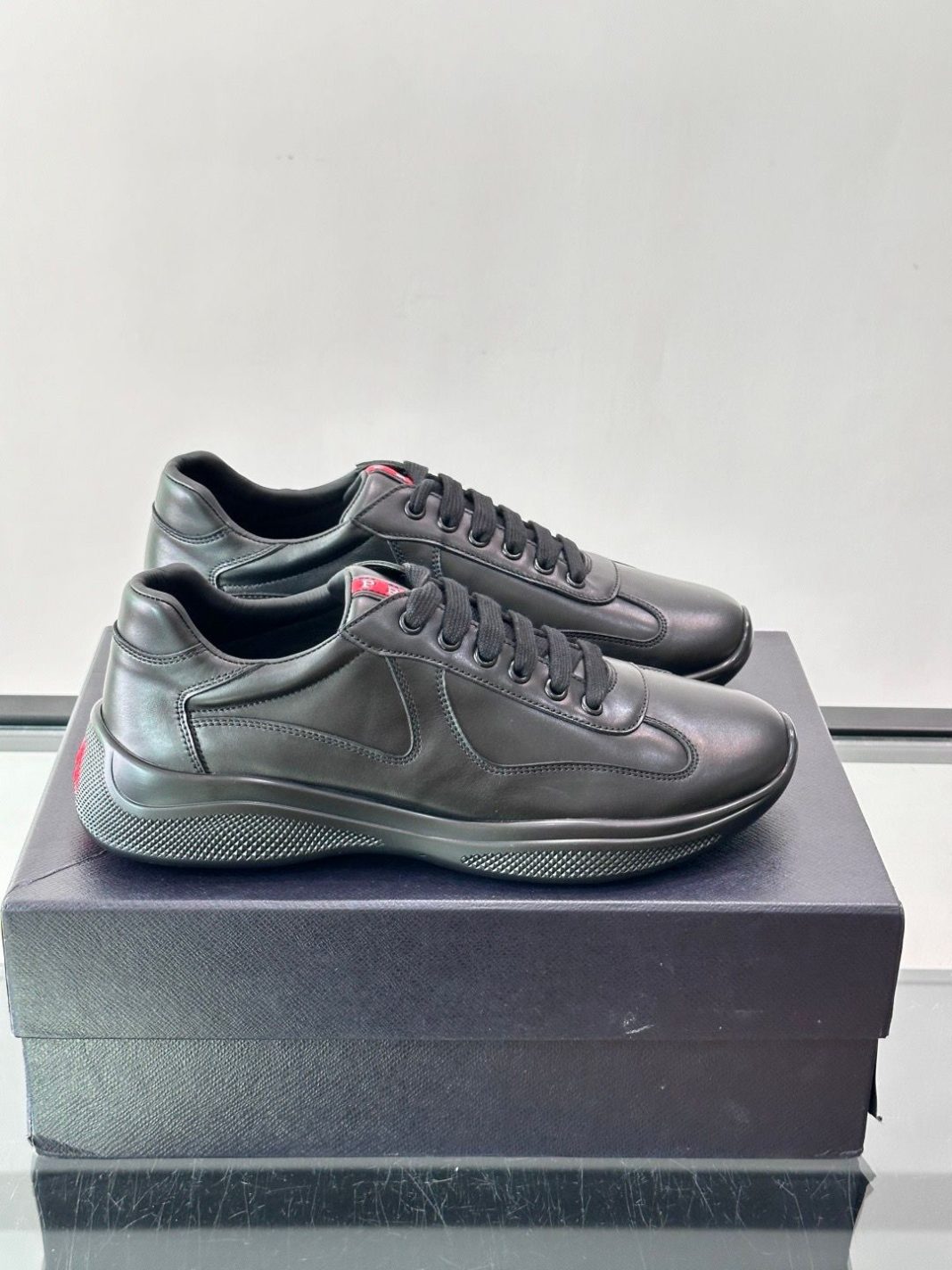

- Dustin Never Had a Typical Saturday
Dustin’s Saturdays rarely followed a plan
He lived in Austin, where a morning coffee could turn into lunch on a patio, a quick stop at a bookstore might stretch into an hour, and somebody usually texted around four asking what everyone was doing that night.
He liked that looseness.
What he did not like was dressing for one version of the day and realizing two hours later that the clothes no longer fit what he was doing.
A Saturday might begin with a tee, straight trousers, and a light jacket tossed into the back seat. By evening, the jacket was on, the sun had gone down, and the casual lunch outfit had somehow become what he was wearing to dinner.
Shoes had to survive that change too.
Dustin was not interested in carrying an extra pair everywhere. He wanted to leave home once and let the day become whatever it became.
That turned out to influence what he wore more than any formal dress code.
- The Pair in His Car Told Him More Than the Closet
For a while, Dustin kept an extra pair of shoes in the back of his car.
It was not a system. They had simply ended up there after a long Friday, and he never brought them upstairs.
A few weeks later, he realized how often he reached for them.
That made him look differently at luxury sneakers. The pairs he actually valued were not always the ones arranged most carefully at home. Sometimes they were the ones that could sit in the car, come out after lunch, and immediately make sense with whatever he was already wearing.
Austin encouraged that kind of casual improvisation.
Dustin drove between neighborhoods more than he walked from one destination to the next. Plans shifted quickly. He might leave South Congress and end up meeting someone across town without going home first.
The useful pair was the one that entered that rhythm easily.
It did not need a special entrance.
It just needed to belong when the trunk opened.
- Getting Dressed Had Become Less Planned
Dustin used to think about outfits more than he did now.
Not obsessively, but enough that he would sometimes decide on a jacket the night before or set aside trousers because he already knew what shoes he wanted to wear.
Lately, mornings were faster.
Coffee first. Phone on the counter. Weather checked almost without looking. Pants, shirt, whatever layer made sense, then shoes near the door.
He liked the speed of it.
The change did not mean he cared less about clothes. He had simply stopped enjoying outfits that required a long explanation before nine in the morning.
A good combination could happen quickly.
One Tuesday, he wore a soft blue shirt, olive trousers, and a pair he had not touched in weeks. Nothing matched in an obvious way, but the whole thing felt settled.
He noticed it only because he did not think about it again until dinner.
- He Wanted Polish Without Looking Overdressed
Austin could make overdressing feel obvious.
Dustin noticed it at lunch more than anywhere else.
A place might have a serious kitchen, a beautiful interior, and three people at the next table wearing caps and shorts. Someone might arrive straight from work while someone else had clearly come from a walk around the neighborhood.
That mix changed how he thought about luxury shoes.
He wanted some polish without making an ordinary lunch feel more important than it was.
Sometimes the difference came down to the profile of the shoe. Sometimes it was the finish. Sometimes it was simply whether the pair seemed to belong beside a relaxed shirt and unstructured trousers.
Dustin had no interest in looking as though he had dressed specifically for the restaurant.
He preferred the feeling that he could have come from somewhere else and might be going somewhere else afterward.
At lunch one Friday, he looked around the patio and realized nearly everyone at the table was dressed at a slightly different level of formality.
Nobody seemed bothered by it.
Neither was he.
- The Parking Lot Was Part of the Outfit
Dustin spent more time in parking lots than any style article would probably admit.
There was the lot outside a coffee shop, the garage downtown, the gravel beside a friend’s house, the wide concrete stretch behind a restaurant where everyone seemed to arrive at once.
Those spaces mattered because they were where an outfit entered the real world.
Bright sun made surfaces look different. Concrete showed dust. A pair that seemed understated indoors could look sharper outside. Something polished in soft restaurant lighting could feel more noticeable crossing an open lot at five in the afternoon.
Dustin started paying attention to that transition.
He liked footwear that did not require the right setting to look convincing.
The pair had to make sense walking past pickup trucks, sitting under a patio table, standing at a bar, and stopping at a grocery store on the way home.
None of those places were glamorous.
They were simply where his life happened.
- Everyday Use Changed What Luxury Meant
Dustin used to associate nicer footwear with plans that felt slightly important.
Dinner reservations. A birthday. A work event. Somewhere he knew people would be dressed with intention.
That idea slowly disappeared.
He became more interested in luxury shoes for wear that could enter an ordinary week without waiting for permission.
The appeal was not about turning errands into an event.
It was the opposite.
Dustin liked the idea that good material, careful finishing, and thoughtful design could become normal. A Friday lunch did not need to be special enough. Neither did a quiet Sunday or a coffee meeting that lasted forty minutes.
The more he wore better things casually, the less precious they felt.
A pair could pick up a little dust, spend an afternoon under a patio table, and still look like something he had chosen deliberately.
That felt more personal than keeping it perfect.
- Lunch and Dinner Asked for Different Things
Dustin noticed the difference most on days when he stayed out.
Lunch in Austin often happened in bright light. Doors were open. Tables spilled outside. People wore sunglasses indoors because they had just walked in from the heat.
Footwear looked direct in that setting.
Dinner changed the picture.
Lighting softened. Clothes looked darker. Small details became less obvious, while silhouette and finish mattered more.
The same pair could feel relaxed at noon and slightly sharper after sunset without changing anything else.
Dustin liked that.
He did not want to perform a day-to-night transformation. He was not changing shirts in a bathroom or keeping a jacket in a garment bag.
Sometimes the only difference was that he put on the light jacket he had carried all afternoon.
If the shoes still made sense, he kept walking.
- He Started Trusting the Feeling of an Outfit
Dustin was not especially interested in naming every reason an outfit worked.
He knew when something felt off.
Sometimes the shoes were too polished for the pants. Sometimes a sporty pair made a simple jacket feel oddly formal by comparison. A textured shirt could make an already detailed shoe look busier than he expected.
He stopped trying to solve those moments with rules.
Instead, he changed one thing.
Different trousers. Lighter jacket. Quieter shoe.
Usually the problem disappeared.
That approach suited him better because his clothes were not particularly complicated. He wore cotton shirts, soft knits, straight trousers, denim, casual jackets, and the occasional overshirt.
One morning, he caught his reflection in the dark window beside the front door and realized the outfit looked better there than it had in the bedroom mirror.
He left before he could reconsider it.
- Sneakers Had Moved Into More Parts of His Life
Dustin could remember when sneakers belonged to a much narrower part of his week.
That was no longer true.
Now luxury sneakers might show up at a coffee meeting, a long lunch, a neighborhood dinner, or an informal event without making the outfit feel unfinished.
He did not think much about whether that shift was “allowed.”
It had already happened around him.
On one Thursday, the same pair went from a quiet morning meeting to lunch near East Austin, then to a friend’s place where everyone ended up sitting outside until well after dark.
Nobody changed clothes.
Nobody needed to.
Dustin noticed how little separation there was anymore between work clothes, social clothes, and weekend clothes when the setting stayed relaxed.
The old categories had become less useful.
By the time he drove home that night, he was thinking more about whether he needed gas in the morning than about what he had worn.
- He Quit Saving the Better Pair
Dustin used to have a habit of saving things.
A good bottle of wine waited for company. A new jacket waited for cooler weather, even when the evening was already cool enough. A favorite pair of shoes stayed clean because there might be a better reason to wear them later.
Eventually, the logic began to feel backwards.
One Friday he wore a pair he had been “saving” to pick up coffee.
Then he kept them on for lunch.
Later, he stopped at the grocery store, drove to a friend’s place, and ended up eating tacos outside at a table that leaned slightly to one side.
Nothing happened to the shoes.
More importantly, the day felt better because he had actually worn them.
After that, Dustin became less careful about inventing occasions.
If something worked with what he had on, that was usually enough.
- A Quiet Outfit Could Carry More Character Below
Dustin’s easiest outfits were often the simplest ones.
Plain tee. Straight trousers. Lightweight jacket.
That gave the footwear room to do something.
A stronger profile, a more noticeable material, or a slightly unusual detail could add personality without making the whole outfit feel busy.
He liked that balance because it kept him from stacking interest everywhere at once.
If the shirt already had texture and the jacket had a strong silhouette, he usually wanted less happening below.
When the clothes were quiet, he could let the shoes speak a little more.
One afternoon, he changed jackets before leaving home. The first made everything look as though it was competing. The second was simpler.
He kept the second one on and walked out.
- Sundays Became the Best Reality Check
Sundays were not stylish days in Dustin’s mind.
That was why they told him so much.
He might get coffee, pick up something for the apartment, stop at a hardware store, meet a friend for lunch, or drive across town because someone had found a place worth trying.
There was rarely a reason to dress up.
There was also no reason to look careless.
On those mornings, Dustin noticed which pairs he reached for before thinking.
Not the pair he believed he should wear. Not the one he had been meaning to use more. The pair his hand went toward while he was still deciding whether he needed a jacket.
Sunday removed most of the performance from getting dressed.
No meeting. No planned impression. No restaurant reservation requiring a certain mood.
Just keys on the counter and coffee still too hot to drink.
- The Pairs He Used Most Had Something in Common
By then, Dustin had noticed something about the luxury shoes he kept reaching for.
They did not ask him to organize the day around them.
That sounds simple, but he had owned plenty of things that did exactly that.
A pair he avoided when parking might be difficult. Another he would skip if there was a chance he might end up walking farther than planned. Some looked right only if the rest of the outfit stayed within a very narrow range.
The pairs he used most gave him fewer of those thoughts.
One Saturday, parking was worse than usual and he ended up leaving the car several blocks from lunch. Later, somebody suggested another place across the neighborhood.
He went.
There was no moment when he stopped to think about whether his shoes had become the wrong choice.
By the time he noticed that, the day was almost over.
- He Became Less Interested in Saving Things
The change spread beyond shoes.
Dustin started wearing the jacket he had once worried about staining. He used the good coffee mugs instead of keeping them in the back of the cabinet. A watch he had treated as an occasional piece started showing up on random Wednesdays.
He did not become careless.
He just became less interested in owning things he was afraid to use.
There was something slightly absurd about waiting for life to become important enough.
Most of it was ordinary.
Traffic. Grocery lists. Lunch outside. A friend running fifteen minutes late. A quiet drive home with the windows cracked because the evening had cooled off.
Dustin liked those days.
The things he enjoyed owning belonged there too.
- Monday Morning Was Ordinary — and That Was the Point
Monday began without drama.
Dustin poured coffee, checked a message from work, looked at the weather, and realized he had less time than he thought.
Two pairs sat near the door.
He did not compare them for long.
One made sense with the trousers he already had on and the light jacket hanging from the chair. He slipped them on, picked up his keys, and headed outside.
The morning was warm enough that the jacket stayed in his hand.
Traffic was already building.
By the time he reached the car, Dustin was thinking about the first meeting, whether he had remembered to answer an email, and where he might get lunch if the afternoon opened up.
He was not thinking about what he was wearing.
The shoes had become part of the day before the day had really started.