


Once you start reading the ingredient labels on store-bought salad dressings and condiments, it does not take long to realize how much of the bottle is filler, stabilizer, and added sugar rather than actual flavor. The good news is that most classic dressings and condiments come together from a short list of pantry staples most homesteads already keep on hand, and they taste noticeably better than anything from a bottle with a two-year shelf life.
This guide covers the basic ratios and techniques behind homemade dressings and condiments, so you can stop buying them and start making them fresh whenever you need them.
The Basic Vinaigrette Ratio Everyone Should Know
Nearly every classic vinaigrette follows the same underlying formula: three parts oil to one part acid, seasoned to taste. Once this ratio is second nature, you can improvise endless variations without ever needing a written recipe again.
• 3 tablespoons oil, such as olive oil or a neutral oil like avocado oil
• 1 tablespoon vinegar or citrus juice
• A pinch of salt and pepper
• Optional: a small spoonful of mustard or honey to help the dressing emulsify and add depth
Whisk vigorously, or shake everything together in a sealed jar, until the mixture emulsifies into a cohesive dressing rather than separate layers of oil and acid.
Vinegar Is the Real Workhorse of Homemade Dressings
Vinegar does more heavy lifting in a homemade dressing than almost any other ingredient, providing the brightness and acidity that balances out the richness of the oil. Different vinegars completely change the character of a dressing, from the sharpness of white vinegar to the mellow sweetness of balsamic or the fruity tang of apple cider vinegar.
Because vinegar is so central to dressing-making, it is worth keeping a variety on hand, and it is also worth knowing that it holds up in storage far longer than most other pantry liquids. If you have ever wondered does vinegar go bad, the reassuring news is that its acidity keeps it shelf stable for years, which means stocking two or three types of vinegar for different dressings is a low-risk investment rather than something you need to worry about using up quickly.
Classic Homemade Vinaigrette Variations
Once the basic ratio is comfortable, these simple variations cover most of what a household typically reaches for.
• Balsamic vinaigrette: balsamic vinegar, olive oil, a touch of Dijon mustard, and a small drizzle of honey
• Red wine vinaigrette: red wine vinegar, olive oil, minced garlic, and dried oregano
• Apple cider vinaigrette: apple cider vinegar, olive oil, a spoonful of maple syrup, and a pinch of black pepper
• Herb vinaigrette: white wine vinegar, olive oil, and a generous handful of any fresh herbs from the garden, finely chopped
Store finished vinaigrettes in a sealed jar in the refrigerator for up to two weeks, and simply shake before each use to re-emulsify any ingredients that have separated.
Homemade Mayonnaise, the Base for Countless Condiments
Mayonnaise intimidates a lot of home cooks, but it comes together quickly once you understand the process is really just slowly emulsifying oil into egg yolk.
• 1 egg yolk, at room temperature
• 1 tablespoon vinegar or lemon juice
• 1 teaspoon mustard, which helps stabilize the emulsion
• 1 cup neutral oil, added in a very thin, slow stream while whisking or blending continuously
The key to successful homemade mayonnaise is patience during the oil addition. Adding it too quickly is the most common reason a batch fails to emulsify and separates instead. Once made, homemade mayonnaise keeps for about a week in the refrigerator and forms the base for countless other condiments.
Building Condiments From Your Homemade Mayonnaise Base
Once you have a batch of homemade mayonnaise, several other classic condiments are just a few added ingredients away.
• Tartar sauce: mayonnaise, chopped pickles, a squeeze of lemon juice, and a pinch of dill
• Homemade ranch dressing: mayonnaise thinned with buttermilk, mixed with garlic powder, onion powder, and fresh or dried herbs
• Aioli: mayonnaise mixed with fresh minced garlic and a touch of lemon juice
• Remoulade: mayonnaise combined with mustard, capers, pickles, and a dash of hot sauce
Each of these takes minutes to prepare and lasts about as long as the mayonnaise base itself when stored properly in the refrigerator.
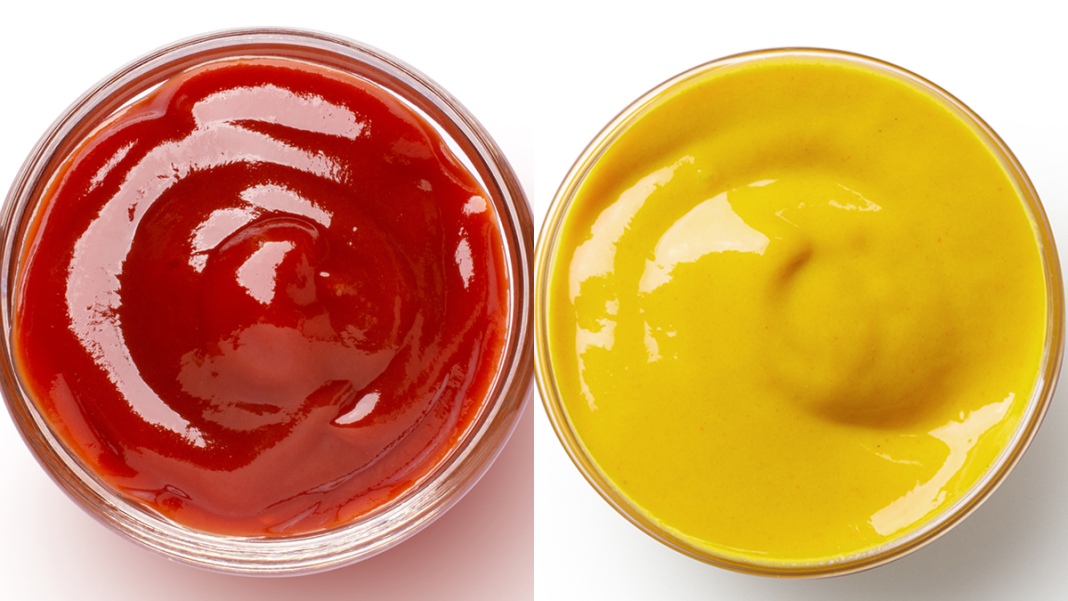
Homemade Ketchup and Mustard, the Pantry Basics
Both ketchup and mustard are simpler to make at home than most people expect, and both rely heavily on vinegar for their signature tang and shelf stability.
• Simple homemade ketchup: tomato paste, a splash of vinegar, a little sugar or honey, garlic powder, onion powder, and a pinch of salt, simmered briefly to blend the flavors
• Basic yellow mustard: mustard seeds or mustard powder, vinegar, water, and a pinch of turmeric for color, blended until smooth and allowed to rest for a day before use
Both keep for weeks in the refrigerator, and both taste noticeably brighter and less sweet than most commercial versions, which tend to lean heavily on added sugar.
Why Homemade Almost Always Wins
Beyond flavor, making your own dressings and condiments means you control exactly what goes into your food, avoid the preservatives and stabilizers found in most commercial versions, and never end up stuck without a dressing simply because a bottle ran out at an inconvenient time. Since the core ingredients, oil, vinegar, eggs, and basic pantry seasonings, are things most homesteads already keep stocked, there is very little reason to keep buying bottled versions once you get comfortable with the basic techniques.
Start with a simple vinaigrette, since it requires no cooking and comes together in under five minutes, then work your way up to mayonnaise and the condiments built from it once you are ready to expand your homemade pantry further.