


There’s a gap in most businesses between the hours people actually work and the hours that end up on an invoice or a project report. Some of it gets lost to context-switching. Some gets buried in unbilled tasks nobody flagged. Some just disappears into the kind of fuzzy weekly summary that everyone nods at and nobody fact-checks.
For small and mid-sized teams, that gap is usually where the margin lives. actiTIME is built to close it.
A time tracker that actually fits the work
actiTIME is a time tracking and project management tool aimed at teams that need more than a stopwatch and less than a full enterprise resource planning system. You set up projects and tasks however your business thinks about its work, assign billing rates, set estimates, and let your team log time as they go.
The entry side is fast: timesheets, a one-click timer, or a browser extension that captures hours without pulling people out of their tools. Engineers, designers, consultants, and project managers all tend to stick with it because it doesn’t feel like a chore.
The structure underneath is where the value shows up. Hours are tied to projects, customers, and task types, with custom fields for whatever extra dimension matters in your business. Billable and non-billable work get separated automatically. Estimates sit next to actuals, so you see when a project is drifting before the deadline is in trouble.
Reports that answer the questions that matter
The reporting side is what most long-term users mention first. You can group hours by project, customer, employee, or department, save the configurations you use most, and pin them to a dashboard for quick access. Reports export as PDF or CSV, and the charts are clean enough to drop straight into a client update or a board deck.
For businesses that bill by the hour, that means invoices backed by exact records instead of estimates. For internal teams, it means a real answer to “where did our time go this quarter?” — which tends to make budget conversations, hiring requests, and capacity planning a lot less mystical.
The leave management piece
One thing time tracking on its own doesn’t cover is the other side of workforce capacity: who’s actually available to work in the first place. That’s where actiPLANS, actiTIME’s sister product, comes in.
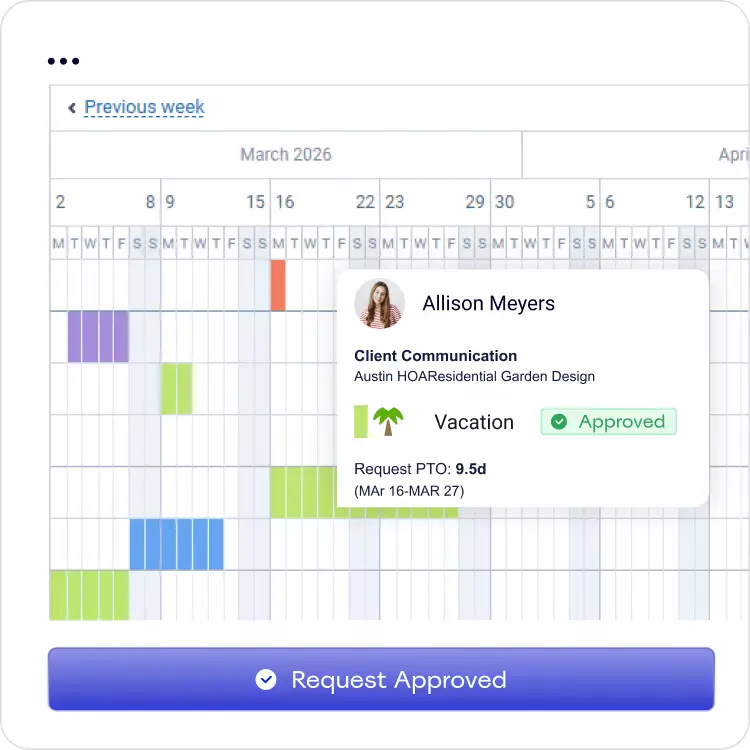
actiPLANS handles leave management — PTO requests, approvals, accruals, custom leave types, and a visual team calendar that shows who’s off and when. The two tools integrate directly, so worked hours and time off live in the same environment, which makes resource planning a single conversation instead of two.
A practical setup for growing teams
actiTIME isn’t the flashiest product in the time-tracking market, and that’s most of the appeal. It does the job, it fits the way real teams work, and it gives managers the data they need to run projects on numbers instead of instinct. There’s a free version for up to three users and a 30-day trial for larger teams, which is enough room to see if it fits before committing.