

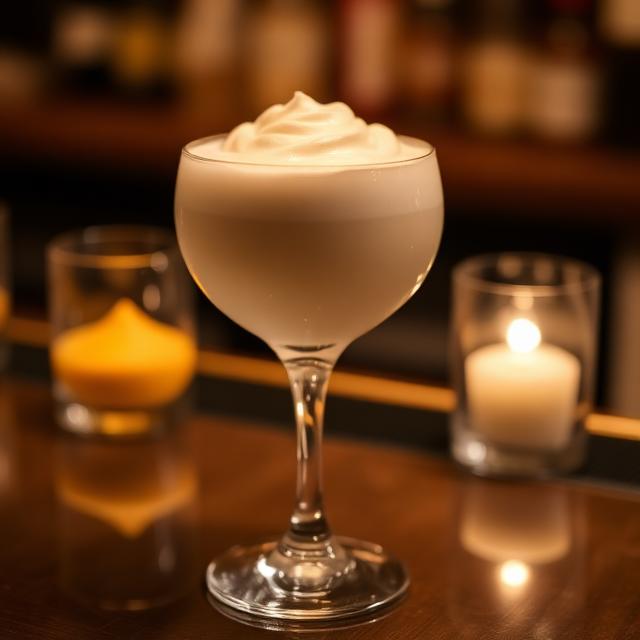

In recent years, kava drinks have exploded in popularity across the United States and beyond. Once known primarily within Pacific Island cultures, kava is now appearing in wellness cafés, botanical bars, health stores, and alcohol-free social spaces around the world. From traditional ceremonial bowls to modern flavored mocktails, kava has become one of the fastest-growing alternatives to alcohol and high-caffeine beverages.
People are increasingly drawn to kava for its calming effects, cultural history, and unique social experience. While coffee energizes and alcohol intoxicates, kava occupies a very different space — one centered around relaxation, conversation, and community.
But what exactly is kava, where does it come from, and why are so many people embracing kava drinks today?
What Is Kava?
Kava is a beverage made from the roots of the Piper methysticum plant, a member of the pepper family native to the South Pacific. The drink has been consumed for centuries throughout islands such as Fiji, Vanuatu, Tonga, and Samoa during ceremonies, celebrations, political gatherings, and social rituals.
Traditionally, kava root is ground, mixed with water, and strained to create a muddy-looking beverage with earthy and peppery flavors. The active compounds in kava are known as kavalactones, which are responsible for the drink’s relaxing and mood-enhancing properties.
Unlike alcohol, kava does not typically impair judgment in the same way. Many users describe the experience as calming, mentally soothing, and socially relaxing without the aggressive or disorienting effects associated with intoxication.
In Pacific Island cultures, kava is more than just a drink — it is an important symbol of hospitality, respect, and community. Ceremonial kava gatherings often involve storytelling, music, and communal bonding.
The Traditional Kava Experience
Traditional kava preparation is deeply rooted in ritual. In many Pacific communities, kava is served in a large communal bowl and shared among participants in coconut shell cups. The process itself is considered meaningful, often encouraging patience, mindfulness, and social connection.
The flavor of traditional kava is famously unique. Many first-time drinkers describe it as earthy, bitter, woody, or pepper-like. While the taste can be an acquired preference, longtime enthusiasts often come to appreciate its natural and grounding qualities.
One of the most recognizable effects of kava is the numbing sensation it can create in the mouth and tongue. This mild tingling is completely normal and is often viewed as a sign of strong kava quality.
Traditional kava ceremonies continue to play a major role throughout the Pacific Islands today, preserving cultural identity and social traditions that have existed for generations.
Modern Kava Drinks
As kava spreads globally, modern businesses have developed new ways to serve and enjoy the beverage. Today’s kava drinks range from traditional preparations to highly creative botanical cocktails and flavored blends.
Many kava bars now offer:
- Fruit-infused kava drinks
- Kava mocktails
- Sparkling kava beverages
- Kava smoothies
- Iced kava teas
- Botanical blends with herbs and adaptogens
These modern versions help make kava more approachable for newcomers who may not enjoy the strong earthy taste of traditional preparations.
Some drinks combine kava with ingredients like coconut milk, pineapple, vanilla, cinnamon, mint, or citrus to create smoother and more refreshing flavors. Others are crafted to resemble classic cocktails while remaining alcohol-free.
The rise of canned and bottled kava beverages has also helped fuel mainstream popularity. Ready-to-drink kava products are increasingly appearing in wellness stores and online marketplaces.
Why People Drink Kava
One of the biggest reasons people turn to kava is stress reduction. In a world filled with constant stimulation, many consumers are searching for ways to relax without relying on alcohol or prescription medications.
Kava is often associated with:
- Relaxation
- Social comfort
- Stress relief
- Mood support
- Better sleep
- Calm focus
Many users report that kava helps them feel more present and socially open. Unlike alcohol, which can sometimes lead to impulsive behavior or emotional volatility, kava is commonly described as promoting a mellow and grounded feeling.
This has made kava especially attractive within the growing “sober curious” movement. Younger generations in particular are drinking less alcohol and exploring alternative social experiences focused on wellness and mindfulness.
Kava bars have emerged as popular gathering spaces where people can socialize, work remotely, attend live events, or simply unwind in a calm environment.
Different Types of Kava
Not all kava is the same. Different Pacific islands produce different varieties, each with unique effects and flavor profiles.
Noble Kava
Noble kava is considered the highest-quality category and is most commonly recommended for regular consumption. It is known for smoother effects and lower risk of unpleasant side effects.
Most reputable kava bars and vendors focus on noble kava varieties sourced from Fiji, Vanuatu, Tonga, or Hawaii.
Heavy Kava
Heavy kavas are associated with stronger body relaxation and sedative effects. Many people prefer these varieties in the evening or before sleep.
Heady Kava
Heady kavas tend to produce more uplifting, euphoric, and social sensations. These are often favored during daytime social gatherings.
Instant and Micronized Kava
Modern convenience products such as instant and micronized kava have also become increasingly popular. These forms dissolve more easily in water and require less preparation than traditional root powder.
Kava Bars and Social Culture
The rise of kava bars has been one of the biggest drivers of kava’s popularity in the United States. These alcohol-free lounges combine café culture with wellness-focused nightlife.
Unlike loud bars or clubs, kava bars usually emphasize conversation, creativity, and community. Many feature soft lighting, relaxed music, board games, open mic nights, yoga classes, and coworking-friendly spaces.
Florida has become one of the largest kava hubs in America, with hundreds of kava bars operating throughout the state. Cities like Miami, Tampa, St. Petersburg, and West Palm Beach have thriving kava communities.
California, Colorado, Texas, and Hawaii have also developed strong kava scenes. Each region brings its own atmosphere and interpretation of kava culture.
Some kava bars focus heavily on traditional Pacific Island preparation methods, while others embrace modern botanical mixology and wellness trends.
Is Kava Safe?
Kava has generally been used safely for centuries within traditional Pacific Island cultures. However, like any botanical substance, responsible use is important.
Some studies and regulatory discussions have raised concerns about potential liver toxicity linked to certain kava products. Experts often note that many historical safety concerns involved poor-quality extracts, improper preparation methods, or non-traditional plant parts rather than properly prepared noble root kava.
Consumers are usually encouraged to:
- Buy from reputable vendors
- Choose noble kava products
- Avoid excessive consumption
- Consult a healthcare professional if taking medications or managing medical conditions
Because kava can have relaxing effects, it should not be combined irresponsibly with alcohol or sedative medications.
Moderation and product quality remain essential for a safe experience.
The Flavor Challenge
One of the most common barriers for newcomers is kava’s flavor. Unlike sweet sodas or coffee drinks, traditional kava has a strong earthy bitterness that can surprise first-time drinkers.
Experienced kava enthusiasts often joke that “nobody drinks kava for the taste.” Instead, the experience, ritual, and effects are what create long-term appreciation.
Still, modern recipes and flavored drinks have helped broaden kava’s appeal significantly. Many bars now focus heavily on making kava more enjoyable through creative preparation and premium ingredients.
The Future of Kava Drinks
Kava’s popularity shows no sign of slowing down. As consumers continue moving toward wellness-focused lifestyles and alcohol alternatives, kava drinks are likely to become even more mainstream.
The industry is evolving rapidly, with premium beverage companies, wellness brands, and hospitality businesses investing heavily in botanical drink innovation. Some analysts compare the current growth of kava culture to the early rise of craft coffee or kombucha.
At the same time, many advocates emphasize the importance of respecting kava’s cultural roots. For Pacific Island communities, kava is not merely a trend — it is a centuries-old tradition tied to identity, ceremony, and social connection.
The most successful kava businesses often balance modern innovation with cultural appreciation and education.
Ultimately, kava drinks represent more than just another wellness beverage. They symbolize a changing social landscape where people increasingly seek relaxation, connection, and meaningful experiences without relying on alcohol or overstimulation.
Whether enjoyed traditionally in a coconut shell or served as a modern botanical mocktail, kava continues to bring people together — just as it has for generations across the Pacific Islands.