

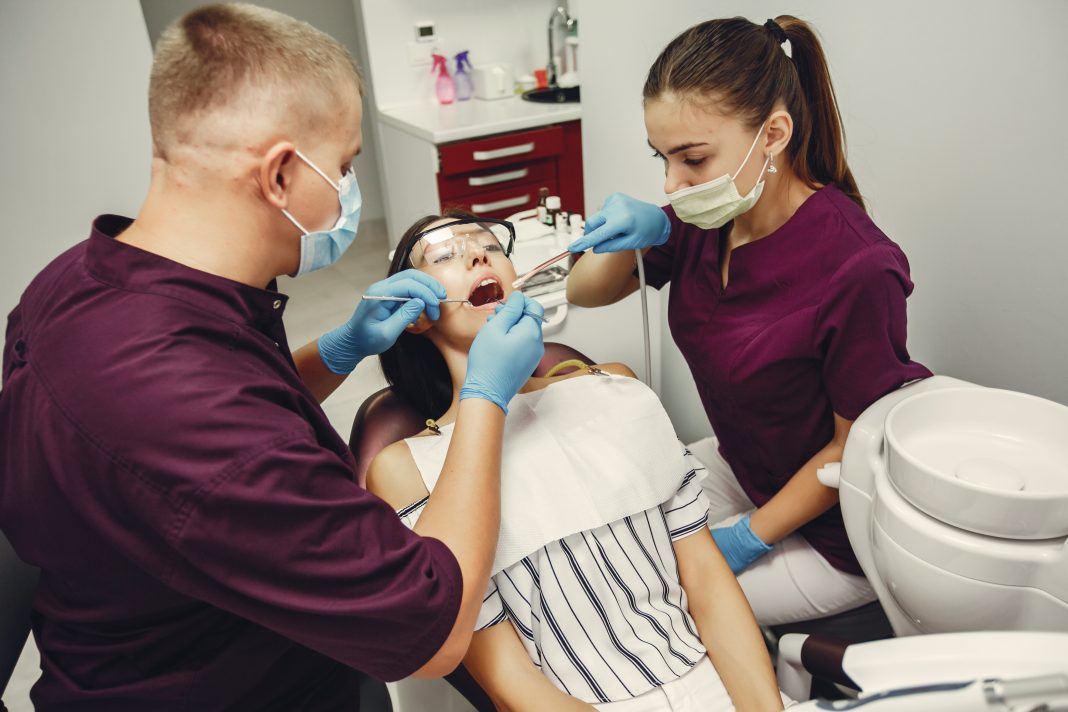

You may feel unsure about what to expect when you ask about cosmetic changes at a family dental office. You want a clearer smile, yet you also want comfort, trust, and honest guidance. A cosmetic consultation in a family setting gives you that mix. You sit down, share what bothers you, and hear real options that fit your life. A Buford dentist listens to your goals, studies your teeth, and explains what can change and what cannot. You see photos, hear straight talk about time and cost, and learn how each choice affects your daily routine. You do not get pressured. Instead, you get facts, clear steps, and space to decide. This first visit becomes a plan for change that respects your health, your budget, and your fear of the unknown.
Step One: Sharing Your Concerns And Goals
The visit often starts in a quiet room. You sit with a team member and talk about what you want to change.
- Color of your teeth
- Shape or size of certain teeth
- Gaps or crowding that bother you in photos
You also talk about your health. You share your medical history, any medicines, and past dental work. This helps protect you from problems. You can review a simple medical history form like the one from the National Institute of Dental and Craniofacial Research, so you know what to expect.
The team may ask three key questions.
- What do you like about your smile
- What do you dislike
- If you could change one thing, what would it be
These questions guide the rest of the visit. They keep the focus on your real needs, not on a list of random treatments.
Step Two: Exam And Photos
Next, the dentist checks your mouth. The exam is gentle and clear.
- Teeth for wear, cracks, and old fillings
- Gums for bleeding or swelling
- Bite to see how your teeth touch
The dental team often takes photos. You may see
- Close up images of your teeth
- Smile photos from the front and side
- Sometimes a short video as you talk or smile
You might also have X-rays if needed. These help find hidden decay or bone loss. That protects your long-term health. The American Dental Association explains why these images are safe and useful for planning.
Step Three: Checking Your Oral Health First
Cosmetic work rests on healthy teeth and gums. If your gums bleed or you have decay, the dentist talks about that first. You may feel upset when you hear about problems. Yet early care avoids pain and higher costs later.
Most family dental teams follow a simple order.
- Stop pain or infection
- Treat decay and gum disease
- Then plan cosmetic changes
This order keeps you safe. It also protects any new work you choose.
Step Four: Talking Through Cosmetic Options
After the exam, you sit face-to-face with the dentist. The team often shows your photos on a screen. You can point to what bothers you. The dentist explains what each option can and cannot do.
Common choices include three main groups.
- Color changes such as whitening
- Shape changes such as bonding or veneers
- Position changes such as clear aligners
You hear plain language, not technical terms. You learn how each step fits your life. That includes time away from work or school, care at home, and how long results may last.
Comparison Table: Common Cosmetic Options In A Family Setting
| Treatment | What It Can Help | Typical Visit Count | Good Match For You If |
|---|---|---|---|
| Whitening | Yellow or dark teeth from coffee, tea, or age | 1 to 3 visits | You like your tooth shape but want a brighter look |
| Bonding | Small chips, short teeth, small gaps | 1 visit for a few teeth | You want fast change with less cost and no shots in many cases |
| Veneers | Shape, color, and size changes on front teeth | 2 to 3 visits | You want greater change and are ready for a higher cost |
| Clear Aligners | Crowding, spacing, mild bite problems | Months of short check visits | You want straighter teeth without metal braces |
| Crowns | Broken teeth, large fillings, weak teeth | 2 visits in most cases | You need strength and better shape at the same time |
Step Five: Reviewing Time, Cost, and Comfort
A family office knows you balance work, school, and home. So the team reviews three key points with you.
- How many visits you need
- How long each visit takes
- What you may feel during and after each step
You also talk about cost. You see what your insurance may help with and what it may not. You can ask about payment plans. The goal is clear numbers that match your budget. No surprises later.
Step Six: Building A Step By Step Plan
At the end, you and the dentist build a simple plan. It often has three parts.
- Health steps such as cleanings or fillings you need first
- Cosmetic work in one or more stages
- Home care to protect your results
The plan stays flexible. You can start small, such as whitening, and wait for bigger steps. You can change your mind. The team keeps notes so you do not need to repeat your story each visit.
How To Prepare For Your Cosmetic Consultation
You can get more from your visit if you prepare a little at home. Three simple steps help.
- Bring old dental records if you have them
- Make a short list of questions that matter most to you
- Bring photos of smiles you like so you can show your goal
It also helps to know your health history. That includes past surgeries, heart or joint problems, and any blood thinners. Clear health facts keep you safe during any care.
What You Should Feel When You Leave
You should not feel rushed or confused when you walk out. You should feel three things.
- Clear about your mouth health today
- Clear about your cosmetic choices
- Clear about next steps and costs
You may still feel nervous about treatment. Yet you should not feel alone. A good family dental team gives you space to think, ask, and decide on your own time. That respect builds trust and makes every next visit easier.