

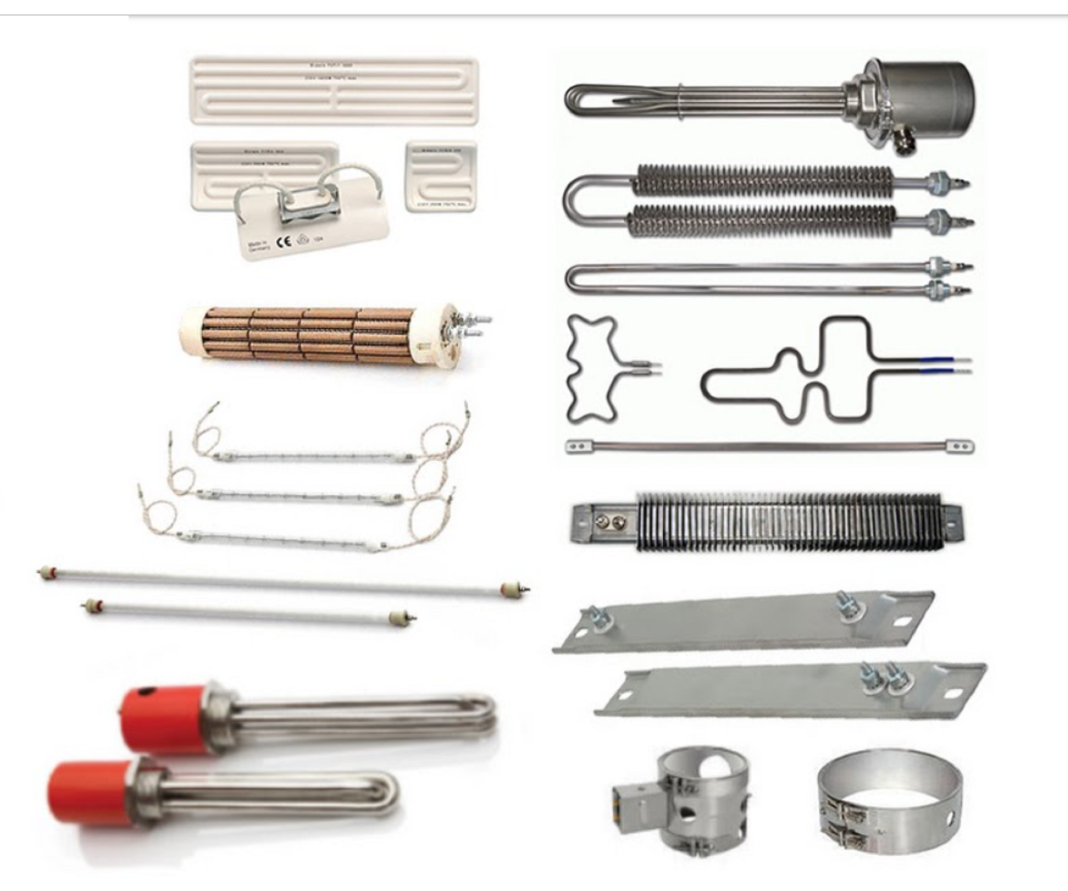

Clear specifications determine whether a heating system performs as expected or falls short under load. Small details in design and selection often shape efficiency, lifespan, and safety. Asking the right questions early helps match cartridge heaters to the exact needs of the application.
What Is the Required Operating Temperature?
Target temperature defines how the heater is built and what materials are used inside it. Higher operating ranges demand insulation and sheath materials that can withstand sustained heat without breakdown. A reliable industrial heating elements manufacturer evaluates this requirement to prevent early failure.
Industrial heating products must maintain stability across repeated cycles, not just reach peak temperature once. Cartridge heaters designed for lower ranges may degrade quickly if pushed beyond limits. Knowing the correct operating temperature ensures that custom industrial heaters perform consistently and maintain structural integrity during use.
What Is the Total Wattage and Voltage Needed?
Power requirements directly affect how quickly heat is delivered and how efficiently it is maintained. Wattage determines output, while voltage influences compatibility with existing systems. Industrial heaters USA suppliers often calculate these values based on application demands. Insufficient wattage can lead to slow heating, while excessive output may cause overheating or damage.
Cartridge heaters must align with available power sources to function safely. Matching voltage and wattage helps balance performance and energy use. Proper sizing ensures that industrial heating accessories operate within safe limits while delivering the expected results.
What Are the Exact Dimensions (Diameter and Length) of the Hole?
Fit plays a major role in heat transfer efficiency. A heater that does not match the bore size can lose contact and reduce performance. Industrial heating products require precise measurements to ensure proper insertion. Cartridge heaters should fit snugly without forcing installation.
Gaps between the heater and the surrounding material can create uneven heating zones. A custom industrial heaters approach often addresses unique dimensional needs. Accurate sizing allows heat to transfer directly into the application, improving consistency and reducing energy waste.
What Material Is Being Heated (E.g., Solid Metal, Liquid, or Air)?
Different materials absorb and transfer heat at different rates. Solid metals conduct heat quickly, while liquids and air require different approaches. Industrial heaters USA providers consider these properties when recommending solutions. Cartridge heaters used in metal molds behave differently than those heating fluids.
Understanding the material helps determine the correct watt density and placement. Industrial heating accessories must be selected based on how heat moves through the medium. Matching the heater to the material ensures efficient operation and reduces the risk of overheating or uneven distribution.
What Is the Required Watt Density for the Application?
Watt density refers to how much power is delivered per unit of surface area. Higher densities produce faster heating but may shorten lifespan if not managed properly. Industrial heating elements manufacturer teams evaluate this factor to balance performance and durability. Cartridge heaters designed with appropriate density avoid excessive surface temperatures.
Industrial heating products must maintain safe operating limits to prevent damage to surrounding components. Selecting the right watt density ensures that heat is applied effectively without stressing the system. Proper balance supports both efficiency and longevity.
How Will the Heater Be Mounted or Fitted into the Assembly?
Installation method influences both performance and maintenance. Cartridge heaters may be press-fit, slip-fit, or secured with set screws depending on the design. Industrial heating accessories must match the mounting style to ensure stability. Improper installation can lead to poor heat transfer or mechanical stress.
Custom industrial heaters often include features tailored to specific assemblies. A secure fit keeps the heater in place during operation. Considering mounting requirements early helps avoid complications during installation and ensures reliable performance.
What Type of Lead Wire or Termination Is Needed for the Environment?
Electrical connections must withstand the conditions in which the heater operates. Lead wires may be exposed to heat, vibration, or chemical contact. Industrial heaters USA suppliers offer different termination options to suit these environments. Cartridge heaters with standard leads may not perform well in extreme conditions.
Selecting the correct insulation and connection type ensures durability. Industrial heating products rely on secure electrical connections for consistent operation. Choosing the right termination prevents failure and supports safe, long-term use.
Are There Specific Environmental Factors like Moisture, Vibration, or Chemicals?
Operating environments can introduce challenges that affect heater performance. Moisture can lead to corrosion, while vibration may loosen components over time. Industrial heating elements manufacturer teams assess these conditions when designing solutions. Cartridge heaters used in harsh environments require protective features such as sealed ends or reinforced construction.
Industrial heating accessories must be selected with these factors in mind. Addressing environmental conditions helps prevent premature wear and ensures that the heater performs reliably under demanding circumstances.
Is a Built-in Internal Sensor or Thermocouple Required?
Temperature control often depends on accurate feedback. Built-in sensors or thermocouples allow real-time monitoring of heat levels. Industrial heating products with integrated sensing provide better control over the process. Cartridge heaters equipped with these features can respond quickly to changes in temperature. Custom industrial heaters may include sensors designed for specific applications. Precise monitoring helps maintain consistent conditions and prevents overheating. Including a sensor improves both safety and performance, especially in applications where temperature control is critical.
Thermal Corporation delivers purpose-built heating solutions that match the needs of complex industrial processes. Their expertise in cartridge heaters and industrial heating products supports reliable performance where precision matters. Thermal Corporation guides the selection process to ensure every component aligns with the application, helping systems perform efficiently over time.