

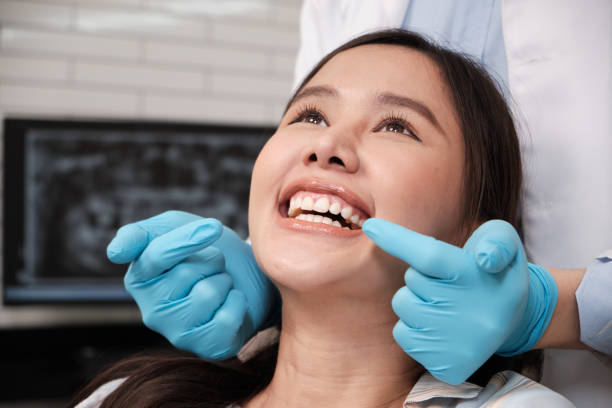

During a routine exam, you expect a mirror, a bright light, and a quick look at your teeth. Today, your dentist may use far more. New tools help find decay early, protect your gums, and plan treatment with clear images. You see sharp photos on a screen instead of guessing from words. You hear clear explanations instead of confusing terms. You feel more control because you see what your dentist sees. Many general dentists now use digital scanners, low radiation X rays, and cameras that show tiny cracks or worn spots. These tools guide simple cleanings, fillings, and even Wantagh dental crowns. They help your dentist treat problems before they turn into pain. They also cut down on repeat visits. You get faster answers. You get stronger teeth. You get a clear plan that matches your daily life, not a rushed checklist.
Why dentists now use advanced tools during exams
Your mouth changes over time. Small spots can grow. Gums can pull back. Old fillings can crack. Traditional tools catch many problems. Yet some changes hide between teeth or under old work. New tools shine a light on those hidden spots.
Modern exams focus on three goals.
- Find problems earlier
- Plan treatment more clearly
- Lower stress for you and your family
Current research from the National Institute of Dental and Craniofacial Research shows that untreated decay and gum disease still affect many adults. Early checks with better tools cut that risk. You do not need to guess. You see proof on the screen.
Digital X-rays that show more with less radiation
Traditional X-rays use film. Digital X-rays use sensors that send your images to a computer. The image appears within seconds. Your dentist can zoom in, change contrast, and compare past images side by side.
Digital X-rays help your dentist:
- Spot decay between teeth
- Check bone levels around each tooth
- Track changes over time
The National Cancer Institute notes that dental X-ray radiation is low. Digital systems cut it even more. That lowers exposure for children, pregnant patients, and people who need more frequent checks.
Digital X-rays vs traditional film X-rays
| Feature | Digital X rays | Traditional film X rays |
|---|---|---|
| Image speed | Seconds | Several minutes |
| Radiation dose | Lower | Higher |
| Image detail | High. Easy to zoom | Fixed size |
| Storage | Electronic record | Paper chart or film folder |
| Sharing with specialists | Fast and electronic | Mail or scanned copies |
These images shape your care plan. Your dentist can show you side views of your teeth and explain decay, bone loss, or infection in plain words.
Intraoral cameras that show what your dentist sees
An intraoral camera is a small camera that fits inside your mouth. It looks like a thick pen. It sends real-time images to a screen in the room. You see your teeth and gums close up.
These cameras help your dentist:
- Show cracks in teeth
- Point out worn fillings
- Track gum changes
You might see stain lines, tiny chips, or food traps. Those pictures help you understand why your dentist suggests a filling, crown, or deep cleaning. You gain trust because nothing stays hidden.
Digital scanners that replace goopy impressions
Many people remember thick trays of putty for impressions. Digital scanners now often replace that step. Your dentist moves a small wand around your teeth. The device creates a 3D model of your mouth on the screen.
This model helps with three common needs.
- Crowns and bridges
- Clear aligners
- Night guards and sports guards
You breathe easier because there is no messy material. Children and people with strong gag reflexes feel calmer. The digital file also reaches the lab faster, which can shorten the time you wait for final crowns or other custom work.
Laser tools that support gentle gum care
Some general dentists use dental lasers during exams and cleanings. These tools can help measure pockets around teeth, remove inflamed tissue, or guide early treatment of small spots of decay.
Laser tools can:
- Help reduce bleeding during some gum treatments
- Target tiny decay spots before they grow
- Support quicker healing in some cases
Your dentist still uses basic tools. The laser adds precision. That can protect healthy tissue and reduce soreness after certain procedures.
Cavity detection devices that see what eyes miss
Even with bright lights, early decay can hide in deep grooves. Some offices now use special lights or sensors to check tooth surfaces. These devices measure changes in how the tooth reflects light or responds to a small signal.
They help your dentist:
- Find early decay in grooves
- Avoid guessing with borderline spots
- Watch small changes over time
In many cases, your dentist may choose to watch a tiny spot with fluoride, sealants, and better home care instead of drilling right away. The device gives numbers that support that choice.
How these tools change your exam experience
Advanced tools do more than collect data. They change how you feel in the chair. They also change how your dentist explains your needs.
You gain:
- Clear visuals instead of vague terms
- Earlier warnings before pain starts
- Plans that match your budget and schedule
Your dentist gains:
- More precise measurements
- Better records over time
- Stronger support for treatment choices
This teamwork leads to small fixes instead of urgent care. A chipped filling gets repaired before the tooth breaks. An early crack receives a crown before you face a root canal or extraction.
Preparing for your next tech-focused exam
You can make the most of these tools with three simple steps.
- Ask what digital tools your dentist uses and why
- Request to see your X-rays, photos, or scans and ask questions
- Keep copies or digital records if you move or see a specialist
When you understand what each image shows, you feel more at peace. You can choose treatment with a clear mind instead of fear. You also stay more motivated to brush, floss, and keep regular visits because you see proof that your effort pays off.
Advanced tools do not replace skill or care. They support your dentist so each exam becomes sharper, faster, and more focused on your real life. You gain stronger teeth, fewer surprises, and a mouth that serves you well at every age.