

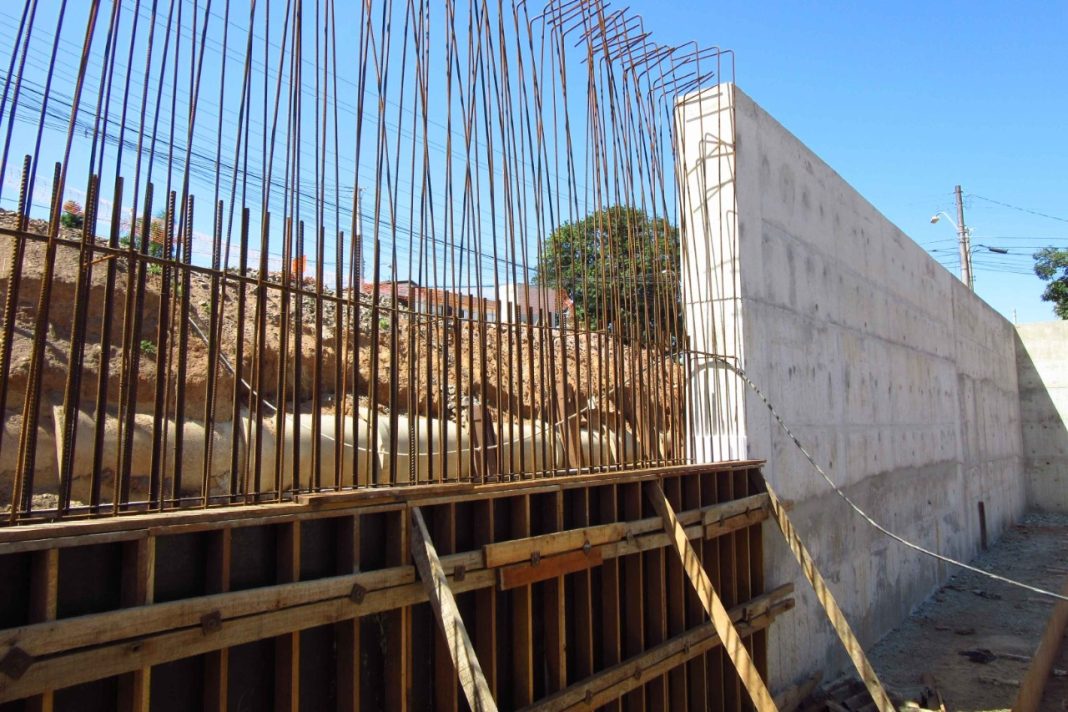

Retaining walls are more than just functional landscape features—they are critical structures that protect properties, manage soil movement, and enhance outdoor spaces. Whether you’re dealing with sloped terrain or looking to add dimension to your yard, a well-built retaining wall can make all the difference in both safety and visual appeal.
However, not all retaining walls are created equal. The difference between a wall that lasts decades and one that fails prematurely often comes down to proper planning, materials, and expert execution. Let’s explore why retaining walls matter and what goes into building them the right way.
What Is a Retaining Wall and Why Is It Important?
A retaining wall is designed to hold back soil and prevent erosion, especially in areas with uneven elevation. Without one, gravity and water runoff can gradually shift soil, leading to landscape damage or even structural risks to nearby buildings.
Key Functions of Retaining Walls
- Prevent soil erosion on slopes
- Manage water drainage effectively
- Create usable flat areas in uneven terrain
- Enhance landscaping aesthetics
- Protect foundations and nearby structures
Retaining walls are especially valuable in regions with varying elevations or heavy rainfall, where unmanaged soil movement can become a serious issue.
Types of Retaining Walls
Different projects call for different retaining wall designs. Choosing the right type depends on factors like height, soil conditions, and intended use.
Common Types Include:
- Gravity Walls: Use their own weight to resist pressure from the soil
- Cantilevered Walls: Reinforced with a base slab for added strength
- Segmental Block Walls: Made from interlocking concrete blocks for flexibility and durability
- Stone or Masonry Walls: Offer both strength and natural aesthetic appeal
Each type requires a specific approach to design and construction, making professional expertise essential.
The Key Elements of a Well-Built Retaining Wall
A retaining wall’s strength isn’t just about the materials—it’s about how everything works together. Proper construction ensures the wall can withstand pressure from soil and water over time.
Essential Components
- Solid Foundation: A stable base prevents shifting and settling
- Proper Drainage System: Reduces hydrostatic pressure behind the wall
- Reinforcement Materials: Adds strength, especially for taller walls
- Quality Backfill: Ensures stability and prevents water buildup
Skipping or poorly executing any of these elements can lead to cracks, bulging, or complete wall failure.
Common Mistakes to Avoid
Retaining walls may look simple, but they require precise engineering and construction techniques. Here are some of the most common mistakes that lead to problems:
- Inadequate drainage leading to water pressure buildup
- Weak or uneven foundation
- Using low-quality or inappropriate materials
- Ignoring soil conditions and load requirements
- Poor alignment and leveling during construction
These issues often don’t appear immediately but can cause significant damage over time, resulting in costly repairs or replacement.
The Role of Professional Expertise
While DIY retaining wall projects may seem appealing, larger or structural walls require professional knowledge. Soil composition, load calculations, and drainage design all play a role in ensuring long-term stability.
Experienced contractors understand how to:
- Evaluate site conditions and soil behavior
- Choose the right materials for durability and aesthetics
- Implement proper drainage solutions
- Build according to safety and building standards
If you’re planning a project that involves structural support or significant height, investing in professional retaining wall construction ensures your wall is built to last and perform effectively.
Balancing Functionality and Aesthetics
A retaining wall doesn’t have to be purely functional—it can also enhance the look of your outdoor space. Modern designs blend strength with style, allowing homeowners and property managers to create visually appealing landscapes.
Design Tips
- Incorporate natural stone for a timeless look
- Use tiered walls to add depth and dimension
- Combine materials like concrete and brick for contrast
- Add lighting elements for nighttime appeal
With the right design approach, a retaining wall can become a standout feature rather than just a structural necessity.
Long-Term Maintenance and Care
Even a well-built retaining wall benefits from occasional maintenance. Regular inspections can help identify minor issues before they become major problems.
Maintenance Checklist
- Check for cracks or bulging sections
- Ensure drainage systems remain clear
- Look for signs of soil erosion around the wall
- Address minor repairs promptly
Routine care helps extend the lifespan of your retaining wall and protects your investment.
Conclusion
Retaining walls play a crucial role in both protecting and enhancing properties. From preventing erosion to creating usable outdoor space, their impact goes far beyond simple landscaping.
However, achieving a durable and visually appealing result requires more than just stacking materials—it demands proper planning, quality construction, and attention to detail. Whether you’re tackling a residential project or a larger commercial build, working with experienced professionals ensures your retaining wall stands strong for years to come.
By understanding the fundamentals of design and construction, you can make informed decisions and create a structure that combines both function and beauty seamlessly.