


When searching for landscape companies near me, it’s important to understand how landscapers price their jobs. Most estimates are based on three core factors: scope, size, and site conditions. Typically, labor makes up 40–60% of the total cost, with the rest covering materials and overhead.
Quotes can vary significantly between contractors due to differences in experience, crew efficiency, and supplier pricing. To make sure you’re getting a fair deal, look for detailed, itemized estimates, clear project timelines, and transparent payment terms. Keep digging—there’s still plenty more to consider before you confidently sign on the dotted line.
What Actually Drives Landscaping Costs: Scope, Size, and Site
Before you can understand what a landscaper will charge, you need to know what actually shapes the price—and it’s rarely just square footage.
Three core factors drive most quotes: scope, size, and site conditions.
Scope covers what’s actually being done—mowing, planting, grading, or a full redesign.
Size determines labor hours and material volume.
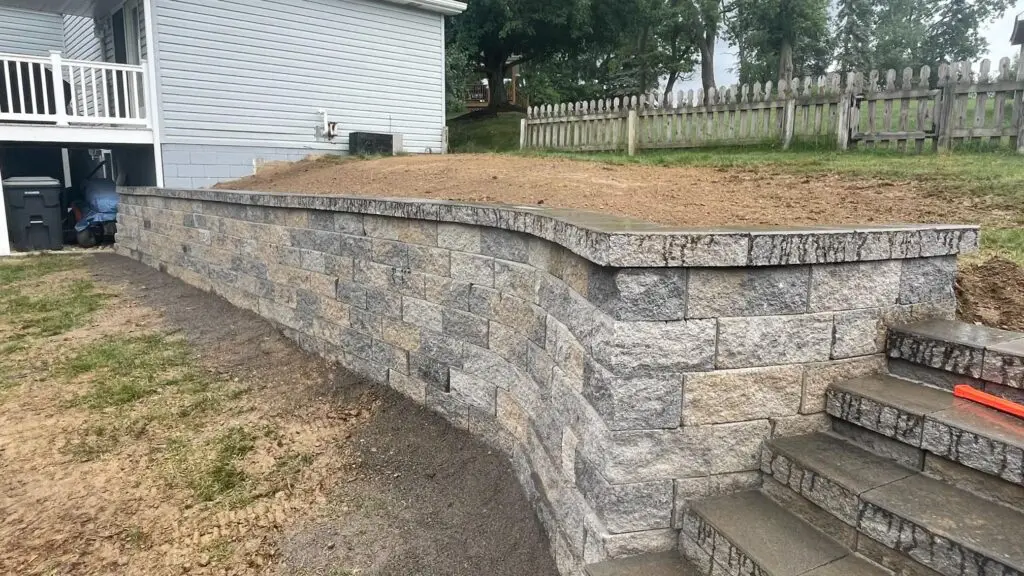
Site conditions often matter most. Slopes, poor drainage, rocky soil, and limited access all add difficulty and cost. A small yard with steep grades can cost more than a flat half-acre.
Understanding these variables helps you evaluate any quote with confidence.
How Landscapers Price a Job: Labor, Materials, and Overhead
Most landscaping quotes break down into 3 core components: labor, materials, and overhead.
Labor typically accounts for 40–60% of your total cost, covering crew wages, equipment operation, and time on-site.
Materials include plants, mulch, stone, soil, and irrigation components — priced at wholesale plus a markup you’ll pay at retail.
Overhead covers the contractor’s insurance, licensing, fuel, equipment maintenance, and business operating costs.
Reputable landscapers don’t hide these categories — they build them transparently into their pricing.
When you understand what’s inside a quote, you can compare bids accurately instead of just chasing the lowest number.
Why Landscaping Quotes Vary So Much Between Contractors
Once you understand what goes into a quote, the next question is why two contractors can look at the same yard and come back with numbers that are thousands of dollars apart.
The answer usually comes down to overhead, crew efficiency, and buying power. A larger company carries higher operating costs, so their quotes reflect that. A solo operator works leaner but may lack the equipment or manpower for complex jobs.
Material sourcing also varies — one contractor buys wholesale while another pays retail. Experience level, insurance coverage, and warranty offerings drive differences too.
Cheaper isn’t always better, and expensive doesn’t guarantee quality.
Line Items Every Legitimate Landscaping Quote Should Include
A legitimate landscaping quote isn’t just a single number scrawled on a business card — it’s a detailed breakdown that protects you and holds the contractor accountable.
Every solid quote should itemize labor costs separately from materials, specify product brands and quantities, outline the project timeline, and detail disposal or cleanup fees.
You’ll also want to see payment terms, warranty information on plants or hardscaping, and permit costs if applicable.
When line items are vague — like “miscellaneous materials” — push back and demand specifics.
Clarity upfront prevents disputes later and gives you an apples-to-apples comparison when evaluating multiple bids.
Red Flags in a Landscaping Quote, High or Low
Whether a quote comes in suspiciously low or shockingly high, both extremes deserve scrutiny. A low bid often means the contractor is cutting corners on materials, skipping permits, or planning to upsell you mid-project.
Watch for vague scope descriptions, missing material specs, or no mention of debris removal. On the high end, watch for inflated labor hours, premium product markups without justification, or vague line items like “miscellaneous fees.”
Always ask for itemized breakdowns. If a contractor can’t explain what you’re paying for, that’s your signal to walk away. Fair pricing is specific, transparent, and easy to verify.
Frequently Asked Questions
Should I Get Multiple Landscaping Quotes Before Hiring a Contractor?
Yes, you should always get at least three quotes before hiring a landscaper.
Comparing bids helps you spot fair pricing, identify red flags, and gives you negotiating power to secure the best value for your project.
How Do I Negotiate a Landscaping Price Without Offending the Contractor?
Ask about flexibility on timing or materials, not the contractor’s labor rates.
You’ll show respect for their work while still negotiating.
Mention competing quotes politely, and request itemized breakdowns—it’s easier to discuss specific costs without feeling confrontational.
Can I Supply My Own Materials to Reduce the Overall Landscaping Cost?
Yes, you can supply your own materials to cut costs, but check with your contractor first.
Some won’t allow it, and others may charge extra labor fees that offset your savings.
What Payment Schedule Is Standard for a Landscaping Project?
Typically, you’ll pay a deposit of 25–50% upfront, a progress payment midway through, and the final balance upon completion.
Avoid paying in full before work begins, as it removes your leverage if issues arise.
Does Landscaping Work Typically Come With a Warranty or Satisfaction Guarantee?
Some landscaping services do offer warranties, but it’s not universal.
You should always ask upfront about guarantees on plants, labor, and materials.
Get any warranty terms in writing before you sign a contract or make a payment.
Conclusion
When you’re comparing landscaping quotes, especially from providers like Daily Landscaping, you’re really evaluating how each contractor values their work, materials, and time. A fair quote isn’t always the cheapest—it’s the one that’s transparent, detailed, and realistic for your project’s scope.