


You invest money, time, and hope into cosmetic dental work. You deserve results that last. Crowns, veneers, bonding, and whitening all wear down faster when you ignore routine care. Small problems grow into cracks, stains, and decay. Then the work you trusted starts to break. Preventive dentistry protects that investment. Regular cleanings, early checkups, and simple daily habits keep your mouth steady and strong. As a result, you keep your smile bright and your costs lower. A dentist in Manhattan sees this pattern every day. Cosmetic work fails early when patients skip preventive visits. It stays stable when they do not. This blog explains three clear ways preventive dentistry extends the life of cosmetic treatments. You learn what to do at home. You learn what to expect at each visit. You also learn how small steps today can spare you pain and repeated treatment later.
1. Cleanings And Checkups Stop Small Problems Early
You cannot see everything that threatens your cosmetic work. Plaque, tartar, and hidden decay start quietly. They sit at the edges of veneers and crowns. They creep between teeth and under the gumline. Over time, they eat away at the tooth that holds your cosmetic work in place. Then the surface looks fine while the tooth under it fails.
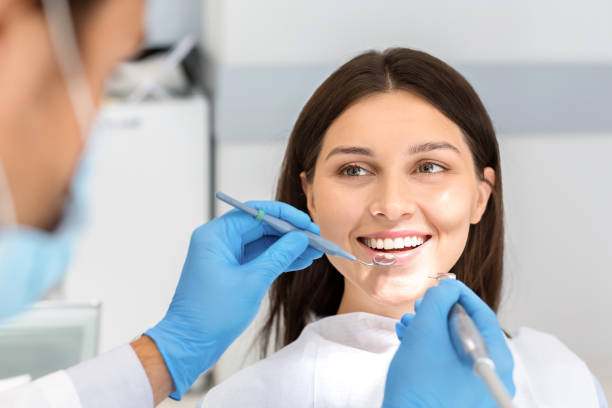
Regular cleanings and checkups break that pattern. A hygienist removes hardened buildup that brushing misses. A dentist checks for tiny chips, loose edges, and early decay. X-rays can show changes long before you feel pain. You get a chance to fix a small issue before it turns into a cracked crown or loose veneer.
The Centers for Disease Control and Prevention explains that almost half of adults have some form of gum disease. You can review their data here: CDC periodontal disease facts. Gum disease weakens the support around cosmetic work. Prevention keeps that support firm.
During a standard preventive visit, you can expect three main steps.
- Cleaning that removes plaque and tartar around natural teeth and cosmetic work
- Careful exam of gums, bite, and existing crowns, veneers, or bonding
- Targeted advice on brushing, flossing, and products that protect your specific work
You save money when you stop problems early. You also avoid emergency visits and sudden loss of a tooth that carries a crown or veneer.
2. Daily Habits Protect Surfaces From Wear And Stains
Cosmetic treatments do not fail in one day. They break down into thousands of small hits. Stains from coffee and tea. Pressure from grinding at night. Acid from snack foods and drinks. These slow hits change color, shape, and strength over time.
Your daily habits can either protect your cosmetic work or attack it. The American Dental Association explains that fluoride toothpaste, brushing twice a day, and cleaning between teeth all help prevent decay. Those same steps also guard the edges where cosmetic materials meet natural tooth.
Three simple habits make a strong difference.
- Brush twice a day with a soft brush and fluoride paste
- Clean between teeth every day with floss or another tool your dentist suggests
- Use a night guard if you grind or clench
Food and drink choices matter too. Dark drinks stain bonding and natural teeth. Acidic drinks weaken enamel at the edge of veneers. Sticky snacks cling to crowns and feed decay. You do not need a perfect diet. You need a few steady limits.
Consider how common habits affect the life of a veneer, crown, or whitening treatment.
Impact Of Habits On Cosmetic Dental Work Over 5 Years
| Habit Pattern | Typical Outcome For Color | Typical Outcome For Strength | Risk Of Repair Or Replacement |
|---|---|---|---|
| Daily brushing and flossing, cleanings every 6 months, limited dark drinks | Color stays close to original shade | Edges stay tight and smooth | Low |
| Daily brushing, rare flossing, cleanings every 1 to 2 years, frequent coffee or tea | Noticeable stain at edges | Early wear on biting surfaces | Medium |
| Irregular brushing, no flossing, no routine cleanings, frequent soda and snacks | Heavy stain and color change | Decay under or around work | High |
This table does not replace an exam. It shows a pattern many offices see again and again. Your choices each day either stretch the life of your cosmetic work or cut it short.
3. Gum AandBone Health Keep Cosmetic Work Stable
Cosmetic treatments sit on teeth. Those teeth sit in the bone and gum. If the support weakens, the most careful cosmetic work loses its anchor. Gums recede. Bone shrinks. Teeth loosen or shift. Then veneers start to show dark lines near the gum. Crowns no longer match the bite. Bonding chips as forces change.
Preventive dentistry protects this support system. Regular cleanings remove plaque along the gumline. Early treatment of gingivitis can stop it from turning into a more serious disease. Careful checks of bone levels on X-rays show if you are losing support, even if your teeth still feel stable.
You can watch your own mouth for three warning signs.
- Gums that bleed when you brush or floss
- Bad breath that does not clear with brushing
- Teeth that feel loose or have new spaces between them
If you notice any of these, you should not wait. Call your dentist and ask for a check. Early gum treatment can often save both the tooth and the cosmetic work on it. Delayed care can lead to loss of the tooth and the need for new treatments, such as implants or bridges.
How To Build A Simple Preventive Plan
You do not need a complex routine. You need a clear plan you can follow even on hard days. Think in terms of three parts.
- Home care every morning and every night
- Professional cleanings and exams on a set schedule
- Quick response when you notice a change
At home, you brush and clean between your teeth. You wear a night guard if one is made for you. You limit tobacco, sugary drinks, and constant snacking. You drink water often. You protect your teeth during sports with a mouthguard.
At the office, you keep your six-monthly or yearly visits. You ask how your gums look. You ask if any edges, lines, or weak spots show around your cosmetic work. You share any pain, sensitivity, or change in bite, even if it seems small.
With this steady plan, you give your cosmetic treatments the longest life possible. You cut down on surprise costs. You also guard your health. A strong mouth supports eating, speaking, and daily comfort at every age.