


Staying healthy does not require a gym membership or fancy equipment. With a smart mix of cardio, simple strength exercises, and movement breaks throughout the day, you can improve your circulation, support your heart, and boost your energy—all from home.
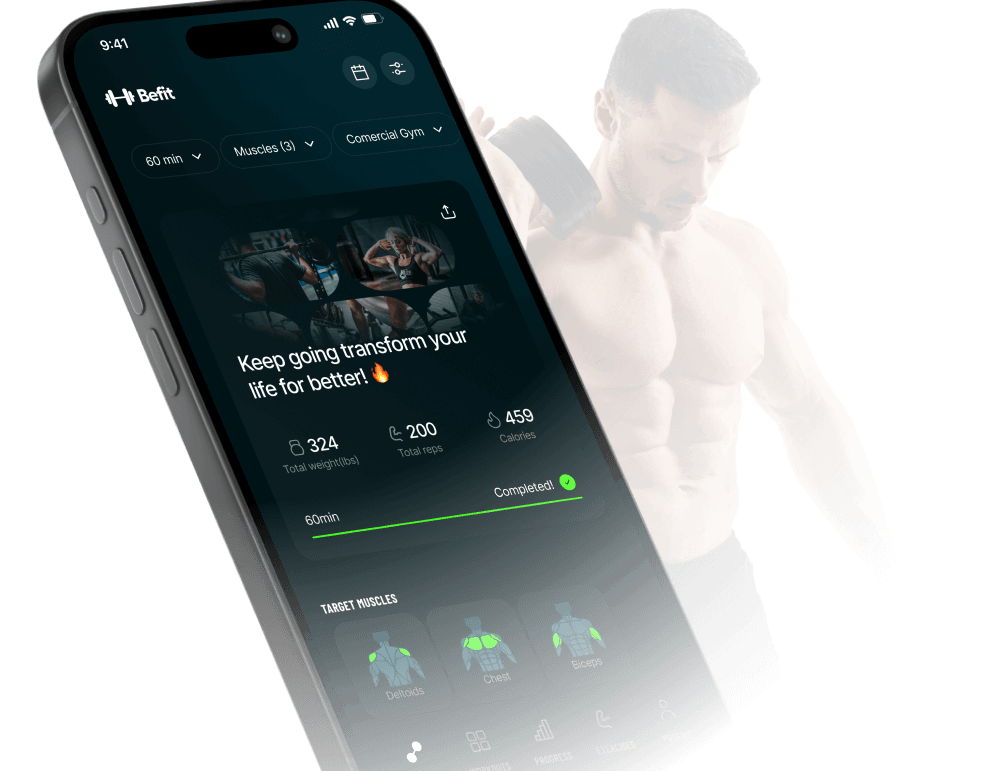
One of the easiest ways to stay consistent is to track what you do. Using a fitness log app can help you record your walks, home workouts, and progress over time, so you can see how your routine is supporting your cardiovascular health and make adjustments when needed.
1. Make Cardio the Foundation of Your Home Routine
Improving circulation and strengthening your cardiovascular system starts with aerobic exercise. These activities make your heart beat faster and your breathing deeper, training your circulatory system to work more efficiently.
Great at-home or close-to-home options include:
- Brisk walking
The most accessible option. A fast walk strengthens the heart, boosts overall circulation, and activates the calf muscles—key for venous return from your legs back to your heart. - Running or jogging
Excellent for cardiovascular capacity and endurance. Even short runs can significantly improve heart and lung efficiency over time. - Cycling (outdoor or stationary bike)
The repetitive leg motion strongly activates the thigh and calf muscles, helping pump blood back toward the heart. It’s also low impact, which is easier on the joints. - Swimming or water aerobics
The hydrostatic pressure of water works like a gentle, full-body compression. That’s great for both the venous and lymphatic systems, while also providing resistance with minimal joint stress. - Dancing or jump rope
Both raise your heart rate quickly and can be done in small spaces. They’re fun, time-efficient ways to get vigorous cardio.
How much do you need?Health organizations like the American Heart Association and CDC recommend, for most adults: about 150 minutes per week of moderate-intensity aerobic activity (like brisk walking) or 75 minutes per week of vigorous activity (like running)—or a combination of both, spread across the week.
You don’t need to hit those numbers on day one. Start smaller and build up as your fitness improves.
Simple intensity check:
- Moderate: You can talk, but you can’t comfortably sing.
- Vigorous: You can say a few words, but holding a conversation is difficult.
2. Train Your Legs: Supporting the “Second Heart”
Your calf muscles are often called a “second heart” because their contractions help push venous blood back up toward your chest, against gravity. Stronger leg muscles mean better support for circulation, especially if you sit or stand a lot during the day.
Useful at-home leg and lower-body strength exercises include:
- Calf raises (heel raises / toe raises)
Stand or sit, then lift your heels off the floor, pause, lower, and repeat. If possible, also practice lifting your toes. This targets the gastrocnemius and soleus muscles—the main engines of venous return in your lower legs. - Squats
Bodyweight or with dumbbells. Squats strengthen thighs and glutes, improving blood flow through the large muscles of the legs. - Band-resisted foot flexion
Sit down, loop a resistance band around your feet, and flex your toes toward you, then push away against the band. This works calves, ankles, and smaller stabilizing muscles that support circulation.
General guidance: aim to include strength work for all major muscle groups at least two days per week, which also aligns with major physical activity guidelines for adults.
3. Low-Impact Strategies to Help Circulation
Not every benefit comes from “workouts” in the classic sense. Simple, low-impact actions throughout the day also make a big difference—especially if you spend long stretches sitting.
Helpful options:
- Leg elevation
Lie down and rest your legs above heart level for 15–30 minutes. You can use a wall, couch, chair, or pillows. This helps drain pooled blood and supports venous return. - Ankle mobility breaks
When seated or standing, move your ankles often:- Flex and point your toes 10–20 times
- Draw circles with your toes in both directions
These are perfect “desk breaks” if you work at a computer.
- Stretching and light yoga
Gentle flows and stretches help ease muscle tension that might restrict blood flow. They also support joint mobility and can help you feel less stiff after long periods of sitting.
4. A Simple At-Home Weekly Plan for Health
Here’s an example of how you might structure a week focused on circulation and cardiovascular health, using the ideas above:
- Day 1 (Mon):
- 20–30 minutes brisk walking
- 2–3 sets of calf raises and bodyweight squats
- Day 2 (Tue):
- 10–15 minutes light stretching or yoga
- A few sets of ankle mobility drills throughout the day
- Day 3 (Wed):
- 20–30 minutes cycling, dancing, or low-impact cardio
- Band foot-flexion exercises for calves and ankles
- Day 4 (Thu):
- Leg elevation (15–20 minutes)
- Short walk breaks every 60 minutes of sitting
- Day 5 (Fri):
- 20–30 minutes of moderate cardio (walk, bike, or swim if available)
- Squats + calf raises again (2–3 sets each)
- Weekend:
- Choose one active day (longer walk, hike, or playful activity)
- One more relaxed day with stretching and occasional ankle/leg work
You can scale this plan up or down based on your current fitness level and schedule.
5. Practical Tips to Make It Work Long-Term
To turn “I should exercise” into a real habit:
- Start small
If you’re sedentary, begin with just 10 minutes of brisk walking per day and add a few minutes each week. - Stay hydrated
Proper hydration helps keep blood at an appropriate viscosity and supports overall circulation. - Avoid long sitting marathons
Try to stand, walk a bit, or do a set of heel raises every 30–60 minutes if your job requires long periods sitting. - Check with a professional
If you have pre-existing medical conditions—such as heart disease, severe varicose veins, or high blood pressure—talk with your doctor or a qualified health professional before starting a new exercise program.
With consistent, realistic home workouts focused on cardio, leg strength, and simple movement breaks, you can do a lot to protect your heart and circulation—without leaving your living room.